A Sales Allowance Can Be Described As

Ever wonder how companies handle those little hiccups that happen after a sale? Maybe a product arrives slightly damaged, or a customer isn't quite satisfied with its color. It’s a fascinating corner of the business world, and it introduces us to something called a sales allowance. Learning about it is like getting a peek behind the curtain, understanding how businesses navigate the complexities of customer satisfaction and keep things running smoothly. Trust me, it's more relevant than you might think!
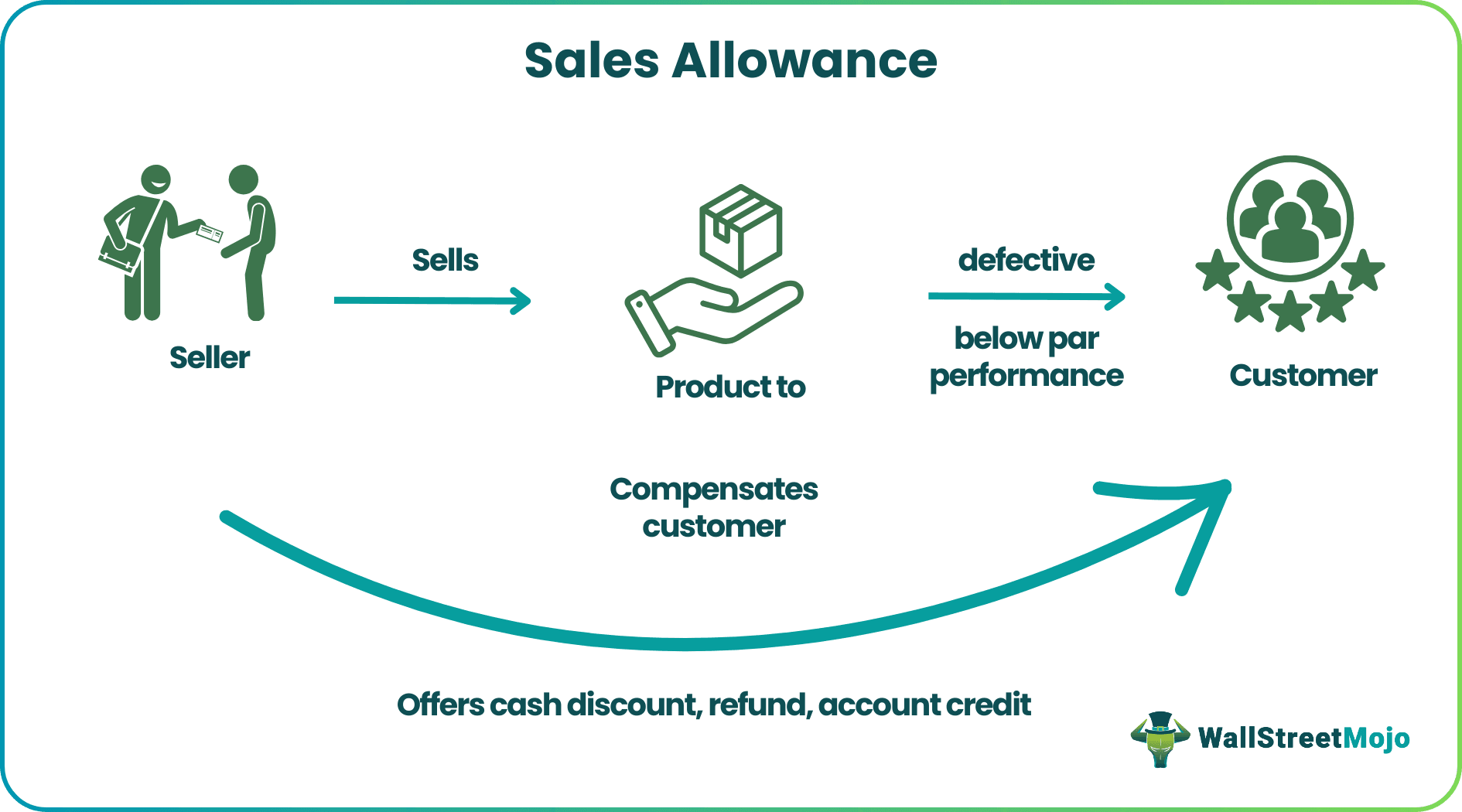
So, what exactly is a sales allowance? Simply put, it's a reduction in the amount a customer owes after a sale. Think of it as a partial refund or discount offered to resolve a problem, without requiring the customer to return the product. The purpose is to maintain good customer relations and avoid the hassle and expense of returns. Instead of a full-blown return, which involves restocking and potential damage during transit, a sales allowance offers a more streamlined solution for both the business and the customer.
The benefits are pretty clear. For the customer, it means getting a fair resolution without the inconvenience of packing up and shipping something back. For the business, it's a way to retain customers, build loyalty, and reduce operational costs associated with returns. It's often a win-win situation when handled correctly.
Must Read
Let's look at some examples. Imagine you order a set of paintbrushes online, and when they arrive, a few of the bristles are bent. The company might offer a sales allowance – perhaps 10% off the purchase price – to compensate for the damage. This is usually preferable to sending the whole set back. Or, let's say you buy a slightly faded t-shirt from a store. Rather than you returning it and the store potentially having trouble selling a faded item, they might offer a discount to accept it. In an educational setting, picture a student buying a used textbook and discovering some highlighting inside. A professor (acting as the "seller" in this case) might offer a small reduction in the agreed-upon price. Even in everyday life, think about haggling at a flea market – that's essentially negotiating for a sales allowance!
How can you explore this concept further? Start by paying attention to customer service interactions. When you encounter a problem with a purchase, think about whether a sales allowance would be a viable solution. Next time you see an online review, look to see if customers mention receiving any type of allowance for damages or lower satisfaction. Businesses are often more willing to negotiate than you think. Also, if you're interested in starting your own business someday, understanding sales allowances is crucial for developing a fair and customer-centric approach to dealing with issues. You could even read articles or watch videos about effective customer service strategies. The key is to recognize the value of resolving problems in a way that benefits both the buyer and the seller.
So, there you have it – a quick dive into the world of sales allowances. It’s a reminder that good business practices are often about finding solutions that make everyone happy, and that sometimes, a small compromise can go a long way toward building lasting relationships.