
A Hormone Is A And The Target Cell Is

Ever wonder how your body knows exactly when to feel hungry, sleepy, or even… well, a bit stressed before a big date? The answer, in part, lies with tiny chemical messengers called hormones. Think of them as your body's internal postal service, delivering important news and instructions to specific locations.
So, what exactly is a hormone?
Simply put, a hormone is a chemical substance produced by a gland or specialized cell in one part of your body that travels through the bloodstream to influence the activity of cells in another part of your body. It's like a tiny telegram carrying a vital message across a busy city.
Must Read
Imagine you're baking a cake. You need a recipe (the hormone), a kitchen (the body), and a specific instruction (the effect the hormone has). The recipe is made in a specific place (like your pancreas, which produces insulin), travels to the kitchen (through the bloodstream), and tells you what to do with the ingredients (affects how your cells use glucose).
The Target Cell: The Recipient of the Message
Now, let's talk about the other half of this dynamic duo: the target cell. Not every cell in your body is listening to every hormone that's floating around. That would be utter chaos! Instead, each hormone is specifically designed to connect with certain cells. Think of it like having a specific key that only unlocks one particular door.
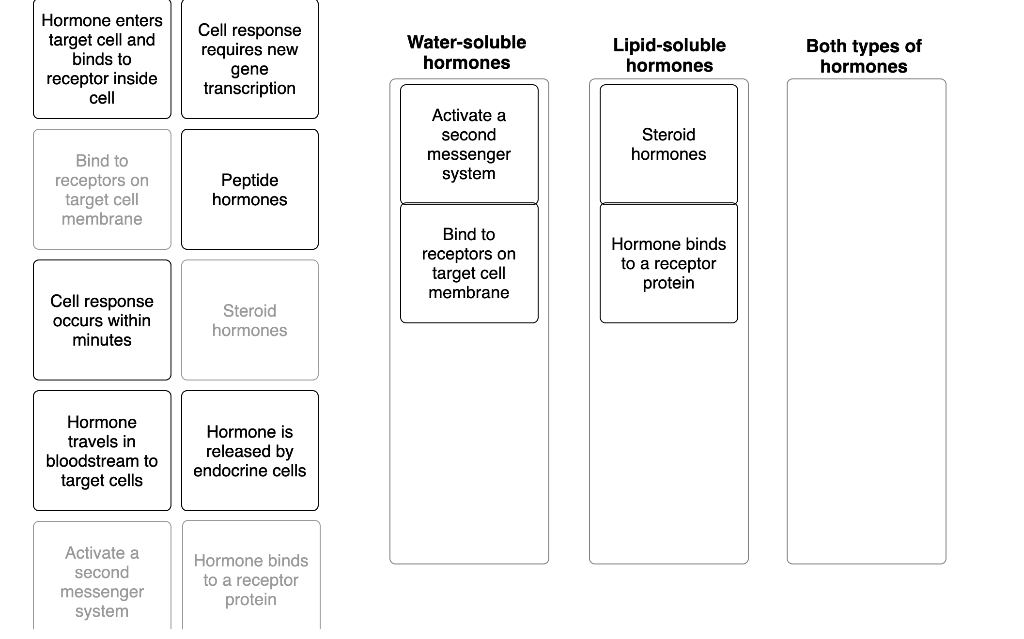
The target cell is the specific cell that has receptors for a particular hormone, allowing the hormone to bind and exert its effect. These receptors are like little antennae sticking out from the cell, waiting to catch the signal from the right hormone.
Let's go back to our postal service analogy. The hormone is the letter, and the target cell is the house with the correct address. The mail carrier (the bloodstream) delivers the letter, but only the person living at that specific address (the target cell with the right receptors) can open and read it.

For example, insulin, a hormone produced by the pancreas, is like a key that unlocks the doors of muscle and liver cells, allowing glucose (sugar) to enter and provide energy. If you have type 1 diabetes, your pancreas doesn't produce enough insulin, so your body can't effectively use glucose for energy.
Or consider adrenaline, the "fight or flight" hormone. When you're scared or excited, your adrenal glands release adrenaline. This hormone speeds up your heart rate, makes you breathe faster, and gives you a burst of energy. But these effects only happen because adrenaline binds to receptors on specific target cells in your heart, lungs, and muscles.

Why Should You Care?
Hormones influence almost every aspect of your health, from your growth and development to your mood, sleep, and metabolism. Understanding how hormones and target cells work together can help you appreciate the amazing complexity of your body and how it maintains balance, or homeostasis.
When things go wrong with your hormonal system, it can lead to various health problems. For instance, thyroid disorders, caused by either over- or under-active thyroid hormone production, can affect your energy levels, weight, and mood. Understanding the basic principles of hormones and target cells can empower you to be more proactive about your health and better understand medical conditions related to hormonal imbalances.

Think of those sleepless nights, sudden mood swings, or unexplained weight gain. While many factors could be at play, sometimes it's a sign that your body's internal communication system is a bit out of whack. Knowing that hormones might be involved can help you discuss these concerns with your doctor and get the right support.
In essence, the dance between hormones and target cells is a constant conversation happening inside your body. It's a beautiful, intricate system that keeps you functioning at your best. So next time you feel a sudden surge of energy or a wave of relaxation, remember the tiny messengers and their carefully chosen destinations that are making it all happen!
It's amazing, isn't it? Your body is a true masterpiece of biological engineering!