A Company Has Satisfied Its Performance Obligation When The

Ever bought something, anything at all? Of course, you have! Now, think about the moment you felt like you got what you paid for. That feeling of "Ah, that's what I wanted!" That's the essence of satisfying a performance obligation, and trust me, understanding it is more exciting than it sounds (okay, maybe not as exciting as free pizza, but close!). Whether you're running a lemonade stand or a multinational corporation, knowing when you've delivered on your promises is crucial for happy customers and a healthy bottom line.
So, what exactly is a "performance obligation" and why should you care? Simply put, it's a promise a company makes to a customer to transfer goods or services. Think of it like this: you order a pizza (the good) from your favorite pizzeria, and they promise to deliver it hot and ready (the service). That's a performance obligation! Understanding when this obligation is considered "satisfied" is vital for accurate accounting and, more importantly, for ensuring customer satisfaction.
The purpose of tracking performance obligations is all about recognizing revenue correctly. Imagine a software company selling a subscription. They don't recognize all the revenue upfront when the customer signs the contract. Instead, they recognize it over the life of the subscription as they provide the software and support – fulfilling their performance obligation over time. This gives a more accurate picture of the company's financial health. Benefits include:
Must Read
- Accurate Financial Reporting: It ensures revenue is recognized when it's actually earned, leading to a truer reflection of the company's performance.
- Improved Decision-Making: Accurate financials help companies make better decisions about pricing, resource allocation, and future investments.
- Happier Customers: Focusing on fulfilling obligations ensures customers receive the goods or services they expected, leading to increased satisfaction and loyalty.
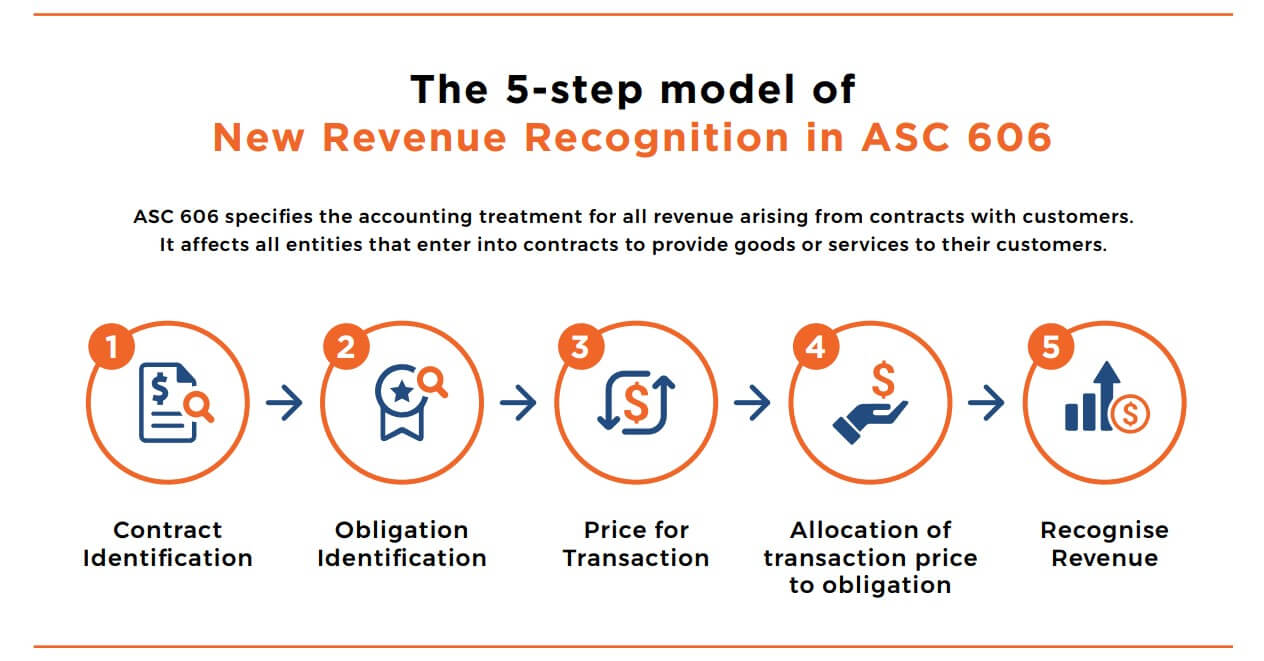
- Compliance: Following accounting standards like IFRS 15 or ASC 606 (which govern revenue recognition) is essential for compliance and avoiding penalties.
Okay, so when is a performance obligation satisfied? The golden rule is: when the customer obtains control of the promised good or service. Control means the customer can direct the use of the asset and obtain substantially all of its remaining benefits. Think about it: you only have "control" of your pizza when it's in your hands, you can eat it, and enjoy all its cheesy goodness!

This "control" test can be broken down further:
- Transfer of Ownership: Does the customer have legal title to the asset?
- Physical Possession: Does the customer have physical possession of the asset?
- Acceptance: Has the customer formally accepted the goods or services?
- Significant Risks and Rewards: Has the customer assumed the significant risks and rewards of ownership?
- Present Right to Payment: Is the company entitled to payment for the goods or services provided?
Satisfying a performance obligation isn't just a technical accounting term; it's about fulfilling promises and building strong relationships with your customers. By understanding the principles involved, businesses can ensure accurate financial reporting, make informed decisions, and ultimately, create a better experience for everyone involved. So, next time you order that pizza, remember, the moment you take that first bite, the pizzeria has officially satisfied their performance obligation!