9 Volt Batteries In Series

Ever found yourself looking at that little blocky 9-volt battery, the one that usually powers your smoke detector or a trusty guitar pedal, and wondered if it could do more? Maybe you've heard whispers in maker spaces or behind amplifier stacks about connecting them "in series." It sounds a bit like an electrician's secret handshake, but trust us, it's a wonderfully simple trick that can unlock more power for your gadgets and projects.
Think of it like this: a single 9-volt battery is a fantastic solo artist, delivering its crisp 9 volts of energy. But sometimes, you need a whole orchestra. That's where connecting batteries in series comes in. It's not about making them last longer – that's a common misconception – it's about boosting their voltage output. More volts mean more potential oomph, more headroom, or simply powering devices that demand a bit more kick than a single battery can provide.
The Nitty-Gritty (Without Getting Gritty)
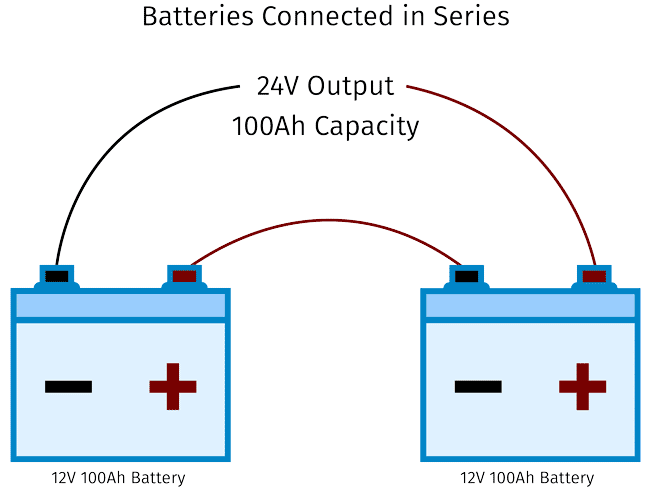
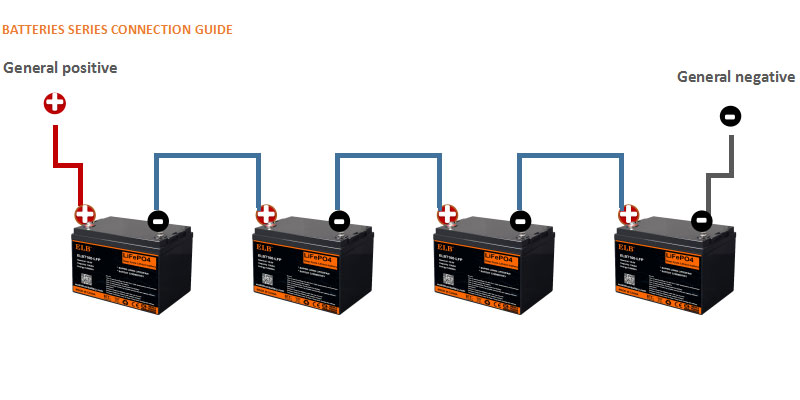
So, what exactly does "in series" mean? Imagine a line of people holding hands. To connect 9-volt batteries in series, you simply link them end-to-end: the positive terminal (+) of one battery connects directly to the negative terminal (-) of the next battery. It’s like creating a longer electrical chain. If you connect two 9-volt batteries this way, you effectively get 18 volts (9V + 9V = 18V). Three in series? That’s 27 volts! And so on.
Must Read
The beauty of this is its simplicity. You're essentially adding up the voltages. What you don't add up, however, is the battery's current capacity (measured in milliamp-hours, mAh). So, two 9V batteries in series will give you 18V, but they’ll still have roughly the same mAh rating as a single 9V battery. It's about more push, not more endurance, if you're drawing the same current.
Why Go Series? Powering Up Your World
This isn't just a fun electrical party trick; it has genuinely practical applications. One of the most common and beloved examples comes from the world of music:
- Guitar Pedals: Many electric guitarists swear by running certain overdrive, distortion, or delay pedals at 18 volts instead of the standard 9 volts. Why? It often provides more headroom, leading to a richer, less compressed sound, especially beneficial for dynamic playing. Suddenly, those two small 9V batteries become a formidable power source for sonic exploration. Jimi Hendrix might have appreciated this little hack!
- DIY Electronics Projects: Are you tinkering with an Arduino project that needs a bit more juice? Perhaps a custom-built gadget or a hobby robot motor that operates optimally at 12V, 18V, or even higher? Connecting 9V batteries in series can be a quick and dirty way to create a portable power supply for your benchtop experiments without needing a dedicated power brick.
- Emergency Power: While perhaps less common, understanding how to combine batteries can be useful for creating custom power solutions in a pinch, especially if you have a collection of standard 9V batteries on hand.
The How-To: Connecting with Confidence
Ready to try it? Here are some quick tips:
- Get Your Connectors: The easiest way to link 9V batteries is with those little plastic snap connectors. They're designed to fit perfectly. You'll need wires to link the positive of one battery's connector to the negative of the next battery's connector.
- Polarity is Paramount: Always, always connect positive to negative. Connecting positive to positive or negative to negative (that's called parallel, a different beast entirely!) will not give you higher voltage and could even be unsafe.
- Keep it Tidy: Use electrical tape or proper battery holders to keep your connected batteries secure and prevent accidental short circuits.
- Measure Twice: If you have a multimeter, use it! Before connecting your custom battery pack to any device, confirm the total voltage. Just touch the multimeter leads to the final positive and negative terminals of your series-connected pack.
- Match Your Batteries: For best results and safety, use batteries of the same brand, type, and age. Mixing old with new, or different chemistries, can lead to uneven discharge and reduced performance.
A Word of Caution (Because We Care!)
This isn't a "more power, always better" scenario. Only connect your series battery pack to devices specifically designed to handle the higher voltage. Plugging an 18V supply into a device expecting 9V is a surefire way to send it to the gadget graveyard. Always check your device's voltage requirements before experimenting!
Beyond the Volts: A Reflection
There's something oddly satisfying about taking individual components and combining them to create something greater than the sum of their parts. Whether it’s two 9-volt batteries teaming up to push an 18-volt signal through a guitar pedal, or understanding how tiny cells in your phone battery work in harmony, it’s a tiny reminder of synergy.
In our own lives, we often find ourselves working in series – connecting our individual strengths and talents with others to achieve bigger goals, solve complex problems, or simply make life a little more vibrant. Just like those humble 9-volt batteries, when we connect effectively, we can amplify our impact and power through whatever challenges come our way. So, next time you see a 9-volt, remember the hidden potential it holds, both on its own and especially when it has a friend or two by its side.