5 Common Causes Of Orange Mucus

Let's talk about something we all experience, but might not always enjoy discussing: mucus. Specifically, orange mucus. Now, I know what you’re thinking: "Ew, gross!" But trust me, understanding the color of your snot can be surprisingly useful. It's like a little window into what's going on inside your body! Think of it as your body's way of sending you a colorful message.
We're diving into the five most common reasons you might find yourself blowing out orange-tinted treasures. Knowing these causes can help you understand when you should just reach for the tissues and when it might be time to call a doctor. Knowledge is power, and in this case, knowledge is potentially clearer sinuses!
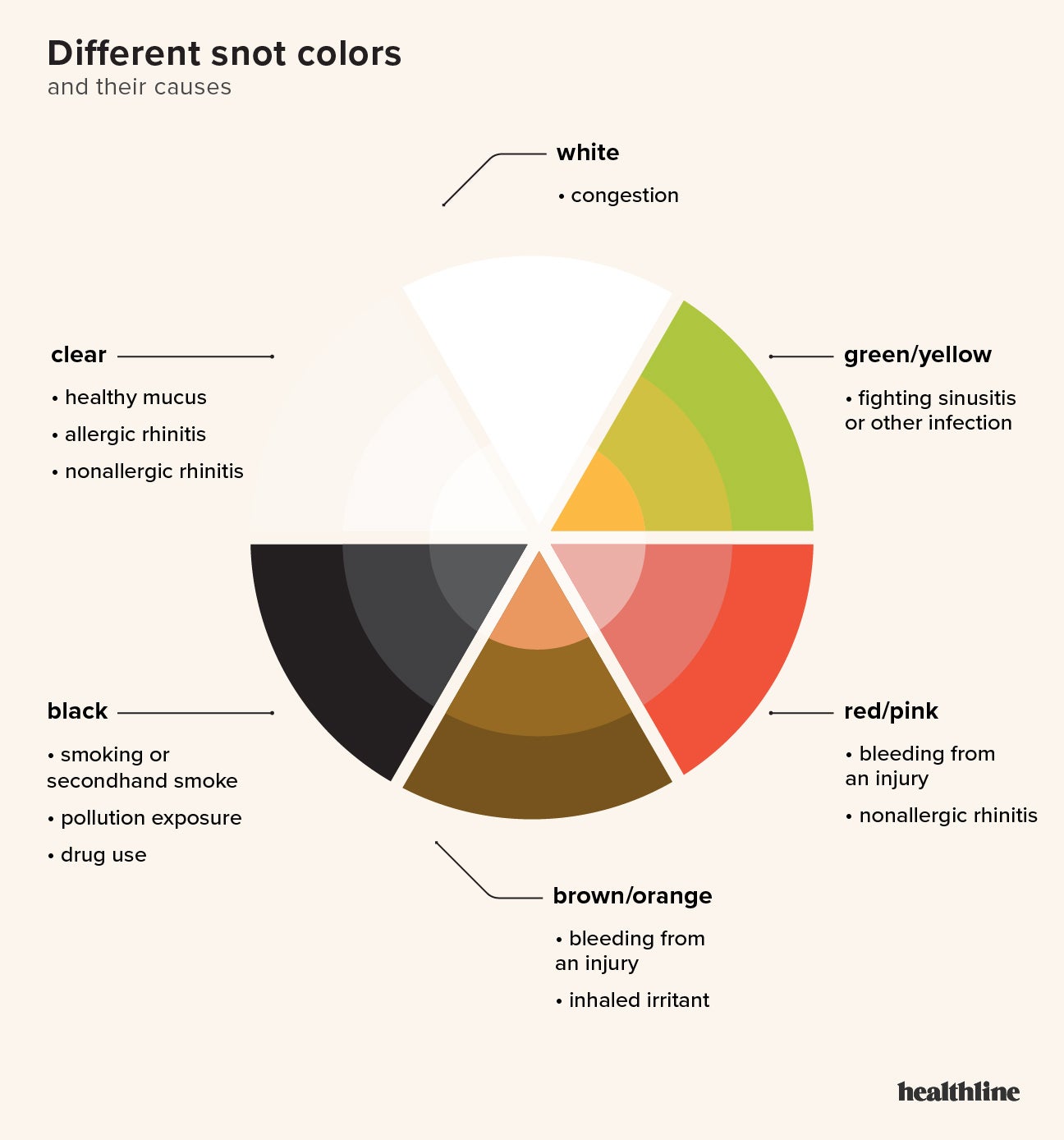
1. Old Blood (The Most Common Culprit): The most frequent cause of orange mucus is simply old blood. A dry nose, a vigorous nose-blowing session, or even just the changing humidity can lead to tiny blood vessels in your nose to break. The blood mixes with your mucus, and as it ages, it turns orange or even brown. Think of it like a bruise – it starts out red and then changes color as it heals. In most cases, this is nothing to worry about and should clear up on its own within a day or two.
Must Read
2. Environmental Factors: Remember that vibrant sunset you watched last week? Well, the pigments from things in the air, like dust, pollen, or even certain types of smoke, can get trapped in your nasal passages. Over time, these pigments can mix with your mucus and give it an orange hue. If you live in an area with high air pollution or have been exposed to dusty conditions, this is a likely cause. A simple saline rinse can often help clear things out.

3. Certain Foods: Believe it or not, what you eat can sometimes affect the color of your mucus! Foods rich in beta-carotene, like carrots, sweet potatoes, and pumpkins, can occasionally tint your mucus orange, especially if you've consumed a lot of them. Beta-carotene is a pigment that the body converts into Vitamin A, and sometimes, a little bit makes its way into your nasal secretions. It's usually harmless and temporary.
4. Nasal Dryness: As mentioned earlier, dryness can lead to broken blood vessels. But beyond that, dry nasal passages can also trap more debris and irritants. This build-up, combined with a little bit of dried blood, can easily create an orange appearance. Using a humidifier, especially during the winter months, can help keep your nasal passages moist and prevent this issue.

5. Sinus Infection (Less Common, But Possible): While green or yellow mucus is more typical of a sinus infection, in some cases, orange mucus can be a sign. This is usually due to a combination of inflammation, blood, and the presence of bacteria. If you're experiencing other symptoms like facial pain, pressure, fever, or a persistent cough, it's a good idea to see a doctor to rule out a sinus infection and get appropriate treatment.
So, there you have it! Five common reasons why your mucus might be sporting an orange tinge. Remember, it's always best to consult with a healthcare professional if you have any concerns about your health. But hopefully, this article has shed some light (and color!) on this common phenomenon and helped you understand what your body might be trying to tell you.