
33 Whitehall Street New York Ny
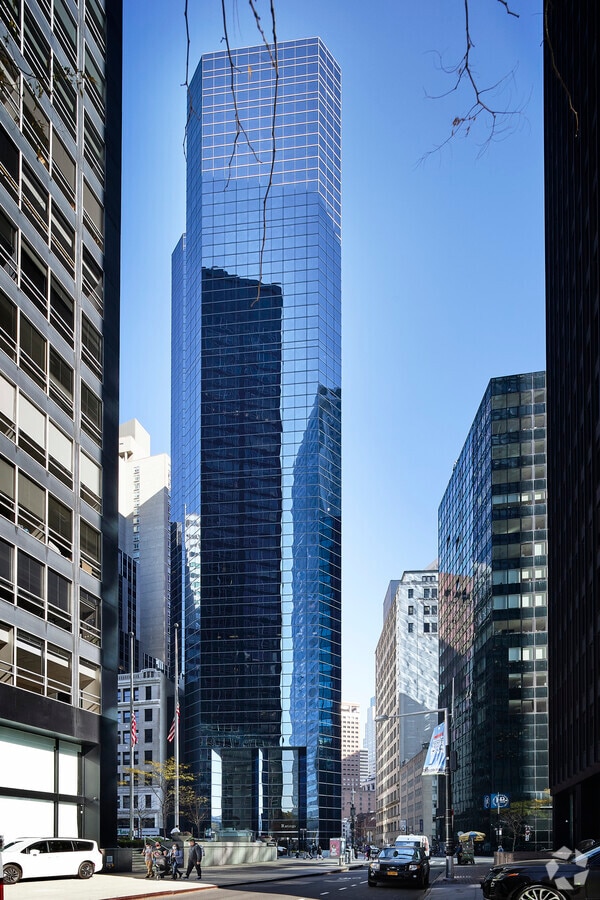
Ever walked past a seemingly ordinary building and wondered about the stories it holds? That's how I felt when I first encountered 33 Whitehall Street in New York City. It's not a skyscraper that screams for attention, nor a historic landmark with flashing lights. But sometimes, the most fascinating things are hidden in plain sight. So, let's peel back the layers and see what makes this address a worthwhile stop on our exploration of the Big Apple.
33 Whitehall Street is primarily known as an office building. But it's much more than just cubicles and conference rooms. Think of it as a hub, a central point connecting different businesses and industries. These kinds of buildings are vital for urban economies. They provide the infrastructure needed for companies, both big and small, to thrive. They offer space, resources, and a central location that makes collaboration and connection easier.
What are the benefits of having a large office building like 33 Whitehall Street in a city? Well, for starters, it fuels the economy. The businesses located there generate revenue, pay taxes, and create jobs. Beyond that, it contributes to the vibrancy of the neighborhood. Think about the restaurants, cafes, and shops that spring up around these hubs, catering to the workers and visitors. It’s a symbiotic relationship where the building and its surrounding community support each other.
Must Read
Although primarily a commercial space, buildings like 33 Whitehall Street can even play a role in education. Consider architecture students studying building design and urban planning. They can analyze the structure, its integration into the urban landscape, and its impact on the flow of people and resources. Internships at companies located within these buildings offer invaluable real-world experience. For students interested in business, finance, or technology, a building like 33 Whitehall Street represents a microcosm of the professional world.
In our daily lives, we benefit from the existence of buildings like 33 Whitehall Street, even if we don't directly work there. Perhaps a service we use, like a bank or an insurance provider, has an office within. Or maybe the coffee shop we frequent benefits from the foot traffic generated by the building's occupants. The interconnectedness of a city means that these spaces influence our lives in subtle, yet significant ways.

So, how can you explore the idea of 33 Whitehall Street without necessarily going there? Research is key! Use online resources like Google Maps to get a sense of its location and surrounding environment. Look up the companies listed as tenants in the building. What do they do? What industries are represented? Explore articles or news reports that might mention the building in relation to local business trends. Even a virtual tour can offer valuable insights.
Next time you see a large office building, remember that it's more than just concrete and glass. It's a living, breathing part of the city's ecosystem, contributing to its economic health, its social fabric, and even, in a small way, to your own daily life. Taking a moment to consider the purpose and function of these seemingly ordinary spaces can reveal a surprising depth of connection and significance. You might just discover a new appreciation for the urban landscape around you.


