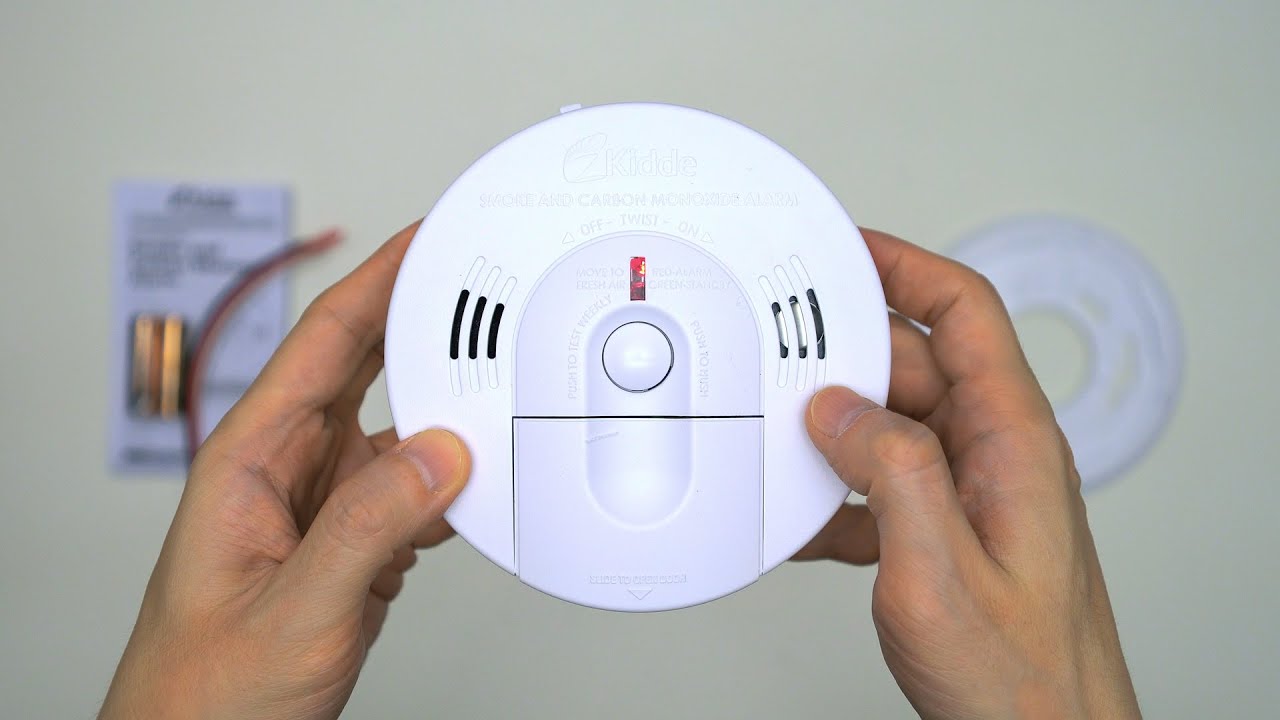
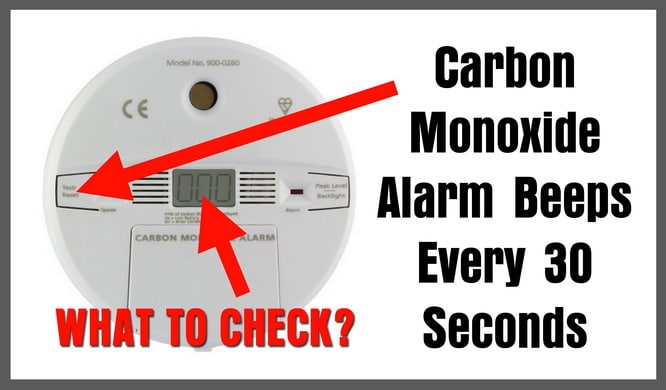
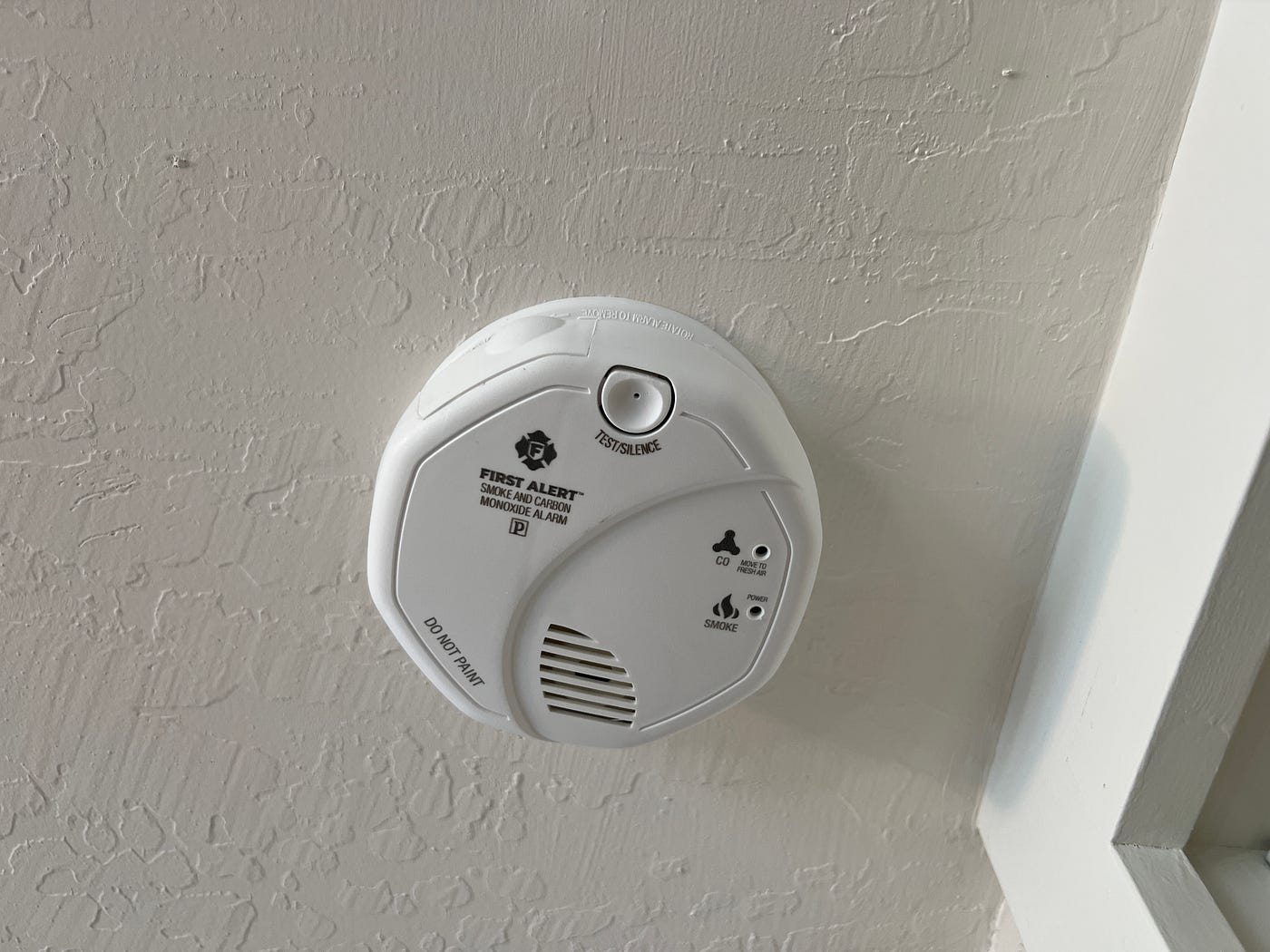
3 Beeps From Carbon Monoxide Detector
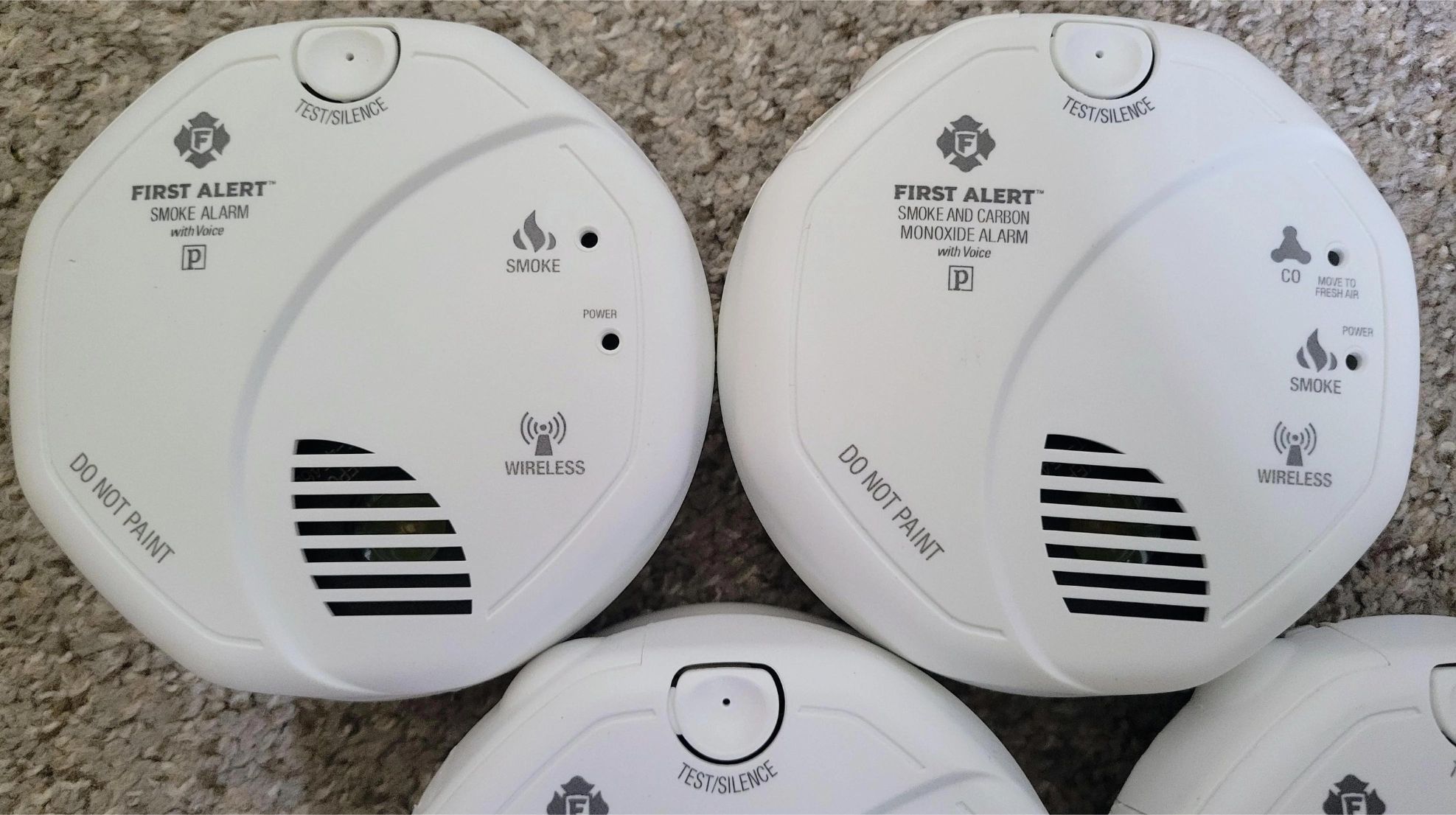
Ever been at home, maybe lost in thought or absorbed in a good book, when suddenly... beep, beep, beep? Not the continuous, piercing shriek that sends shivers down your spine, but a gentler, more spaced-out three-beep sequence from your carbon monoxide (CO) detector? It's a sound many of us might dismiss or, worse, panic over without fully understanding. But here’s a secret: these three little beeps are actually a fascinating and incredibly useful communication from a silent guardian in your home! Learning to decipher them isn't just about safety; it's about turning a moment of potential confusion into a moment of empowered understanding.
Think of your CO detector as a vigilant, ever-watchful sentinel. While its main job is to warn you of the invisible, odorless, and deadly carbon monoxide gas, it also has a secret language for when it itself needs a little attention. That's often what the three beeps are all about! Unlike the urgent, rapid four-beep alarm that signals immediate CO danger, the rhythmic three-beep pattern typically indicates something less dramatic but equally important: a malfunction, an end-of-life warning, or sometimes a low battery (though low battery is often just a single, periodic beep). Its purpose is clear: to let you know that your safety net needs mending, ensuring it's always ready to protect you from the real threat.
The benefit of understanding this subtle signal is immense. Instead of jumping to the terrifying conclusion that your home is filling with toxic gas, you can calmly assess the situation. You know it’s likely not an immediate CO leak, but rather a nudge to check on the device itself. This reduces unnecessary panic and directs your attention to where it’s needed. It's like your car's check engine light—it doesn't mean your engine is about to explode, but it does mean something needs looking at!
Must Read
In our daily lives, this knowledge empowers us. Imagine teaching a child about different home sounds: "Four beeps means CO danger, exit immediately! But three beeps means the detector needs its batteries changed or checked, so it can keep protecting us." This turns abstract safety into a tangible, understandable system. For adults, it means you can quickly troubleshoot. Did you just install a new battery and it's still beeping? Time to check the manual for a more specific fault code or the detector's expiration date. Many CO detectors only last 5-7 years, and an end-of-life signal is a crucial heads-up to replace them.
So, how can you explore this further? The absolute best first step is to find the instruction manual for your specific CO detector. Manufacturers can have slightly different beep patterns, so yours is the ultimate authority. If you can’t find it, a quick online search with your detector's brand and model number should yield results. Secondly, make it a habit to regularly test your detector using the test button—this ensures it's working and familiarizes you with its alarm sound. Finally, know your detector's age. If it's old and giving off those three beeps, it's very likely time for a replacement. By paying attention to these quiet guardians and understanding their unique language, we turn a simple electronic device into a true partner in keeping our homes safe and sound.