
2013 Chevy Cruze Oil Type
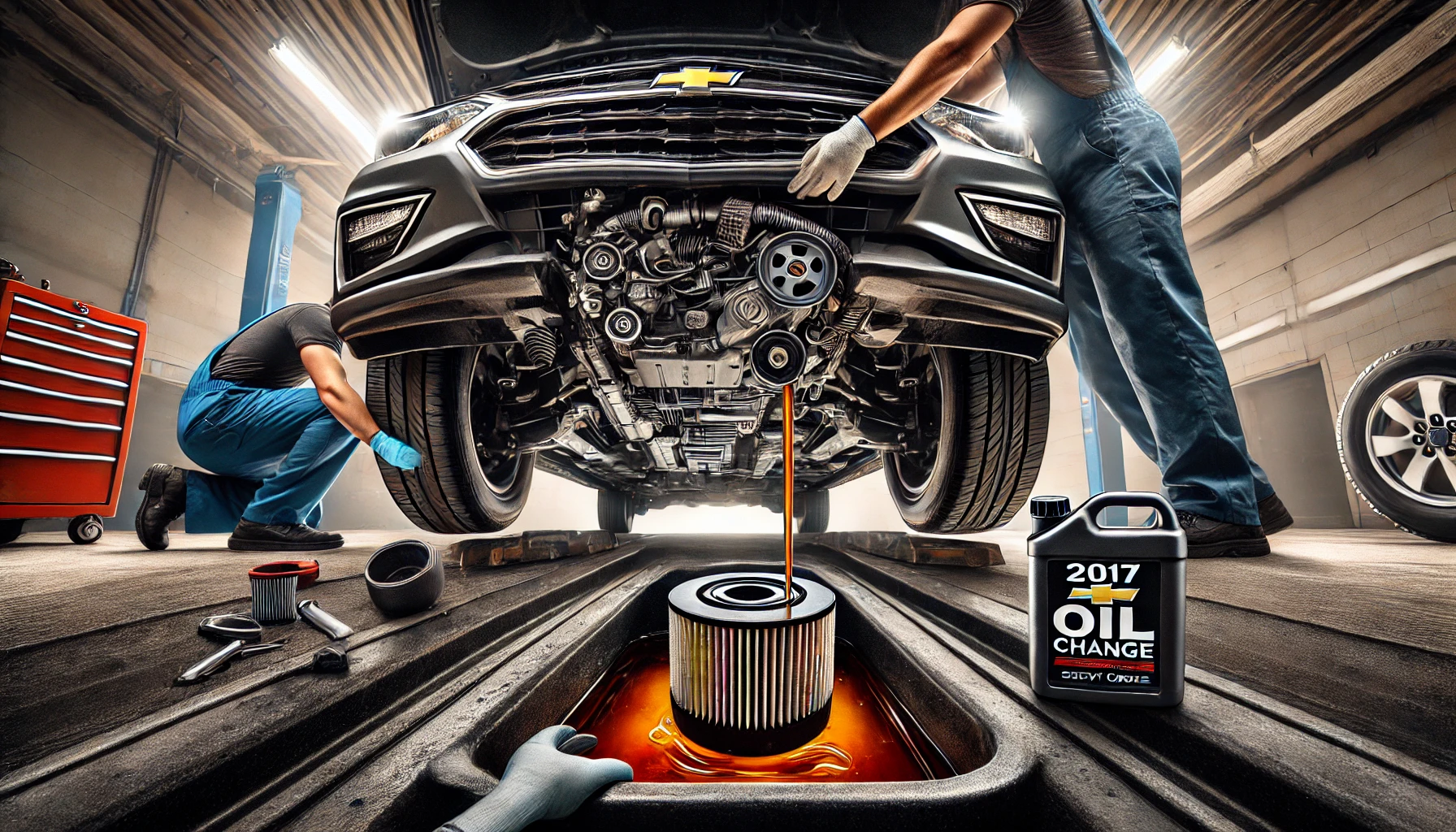
Let's talk about the 2013 Chevy Cruze. You might be thinking, "Oil? Really? That's exciting?" Trust me, there's more to this than meets the eye. It's a story of engineering, recommendations, and maybe even a little bit of automotive mythology.
The Cruze and Its Thirsty Engine
The 2013 Chevy Cruze, bless its heart, is a reliable little car. But like any living being, it needs sustenance. And for the Cruze, that sustenance comes in the form of, you guessed it, oil.
But not just any oil. No sir. The engine, being a sophisticated piece of machinery (relatively speaking, of course), has specific tastes. Think of it as a particularly picky eater, but instead of demanding organic kale smoothies, it craves a certain viscosity and formulation.
Must Read
Decoding the Oil Recommendation
So, what's the magic potion? Well, according to the manual (that often-overlooked book in your glove compartment), the recommended oil for most 2013 Chevy Cruze models is SAE 5W-30. This is usually a synthetic blend, designed for optimal performance.
Now, before you start glazing over, let's break that down. The "5W-30" part refers to the oil's viscosity, or how easily it flows at different temperatures. The "5W" indicates its winter performance, meaning it flows well even when it's cold outside. The "30" indicates its thickness at higher operating temperatures.
Why is this important? Because using the wrong oil can be like wearing shoes that are two sizes too small. It'll still get you where you need to go, but it won't be pretty, and it might cause some long-term damage.
The Synthetic vs. Conventional Debate
Ah, the age-old question. Should you use synthetic oil or conventional oil in your Cruze? It's a debate that has raged in garages and online forums for years.
Synthetic oil is generally considered superior to conventional oil. It's more refined, flows better, and provides better protection against wear and tear. But it also comes with a higher price tag.
Conventional oil is, well, more conventional. It's cheaper, but it doesn't offer the same level of protection as synthetic. Think of it as the difference between a basic hamburger and a gourmet Wagyu burger. Both will fill you up, but one is definitely a more luxurious experience.
So, Which One Should You Choose?
For the 2013 Chevy Cruze, especially if it's equipped with the turbo engine, synthetic blend is often recommended. The turbocharger puts extra stress on the engine, and synthetic oil provides the added protection it needs.
However, if your Cruze is an older model with high mileage, and you've been using conventional oil all along, switching to synthetic might not be the best idea. Sometimes, switching can cause leaks due to the synthetic oil's ability to clean out deposits that were previously sealing small imperfections.

Ultimately, the best choice depends on your individual circumstances and driving habits. Consult your owner's manual, talk to a trusted mechanic, and weigh the pros and cons of each type of oil.
The Importance of Regular Oil Changes
No matter what type of oil you choose, regular oil changes are crucial. Oil is like the lifeblood of your engine. It lubricates the moving parts, prevents overheating, and removes dirt and debris.
Over time, oil breaks down and becomes less effective. It can also become contaminated with sludge and other contaminants. This can lead to engine damage and reduced performance.
The recommended oil change interval for the 2013 Chevy Cruze is typically every 7,500 miles or every year, whichever comes first. However, if you do a lot of stop-and-go driving, or if you frequently tow heavy loads, you may need to change your oil more frequently.
Signs Your Cruze Needs an Oil Change
Keep an eye out for these signs that your Cruze is in need of an oil change:
*The oil life monitoring system indicates that it's time for a change.
*The oil on the dipstick looks dark and sludgy.
*You hear knocking or rattling noises coming from the engine.

The engine is overheating.
*Your gas mileage has decreased.
Ignoring these signs can lead to serious engine problems. So, don't procrastinate! Schedule an oil change as soon as possible.
DIY Oil Change vs. Professional Service
Changing your own oil can be a rewarding and money-saving experience. But it's not for everyone. It requires some basic mechanical skills, the right tools, and a bit of patience.
If you're not comfortable working on your car, or if you simply don't have the time, it's best to take your Cruze to a professional mechanic. They'll have the expertise and equipment to get the job done quickly and efficiently.
Plus, a professional oil change often includes a multi-point inspection, where they'll check other important components of your car, such as the brakes, tires, and fluids.
The Emotional Rollercoaster of a DIY Oil Change
Let's be honest, a DIY oil change can be a rollercoaster of emotions. It starts with a surge of pride as you gather your tools and prepare to tackle the task. Then comes the frustration of trying to remove a stubbornly tight oil filter.
Followed by the anxiety of wondering if you tightened the drain plug enough, and the sheer panic when you realize you've spilled oil all over your driveway. But finally, there's the sweet satisfaction of a job well done, and the smug feeling of knowing you've saved yourself a few bucks.

Just remember to dispose of the old oil properly. Don't pour it down the drain or into your backyard. Take it to a local auto parts store or recycling center. The environment will thank you.
The Oil Filter's Silent Contribution
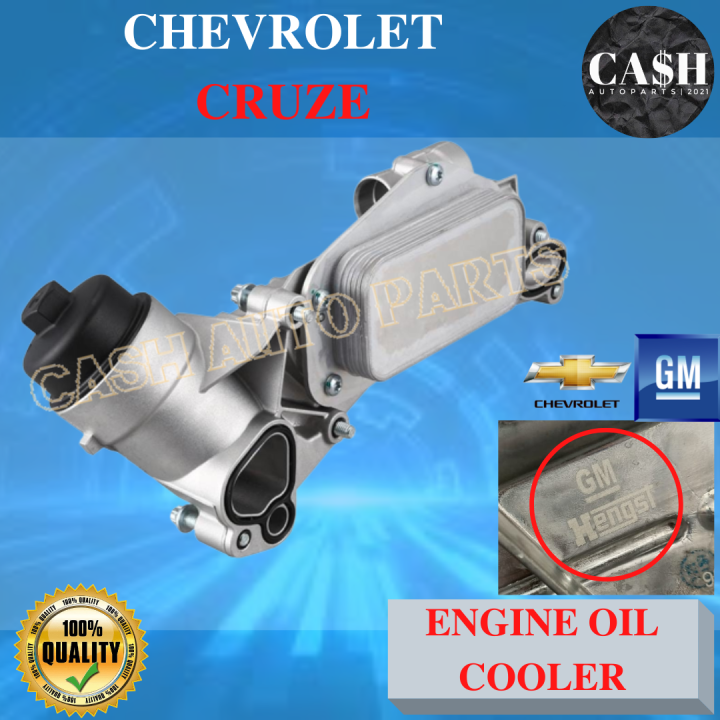
Let's not forget the unsung hero of the oil change: the oil filter. This little guy is responsible for trapping dirt and debris before they can circulate through your engine and cause damage.
A clogged oil filter can restrict oil flow and reduce engine performance. It's important to replace the oil filter every time you change your oil. Using a quality oil filter is also crucial.
Think of the oil filter as the bouncer at a very exclusive club, only letting the clean, refined oil pass through while keeping the riffraff (dirt, metal shavings, etc.) out.
Choosing the Right Oil Filter
There are many different types of oil filters available for the 2013 Chevy Cruze. Some are designed for standard use, while others are designed for high-performance applications.
When choosing an oil filter, look for one that is specifically designed for your Cruze. Make sure it has the correct thread size and sealing surface. A quality filter will have good filtration capacity and a durable construction.
Don't skimp on the oil filter. It's a small investment that can save you a lot of money in the long run.
The Cruze's Oil Life Monitoring System
The 2013 Chevy Cruze is equipped with an oil life monitoring system. This system uses an algorithm to estimate when your oil needs to be changed, based on your driving habits and other factors.
The system will display a message on the dashboard when it's time for an oil change. However, it's important to note that this system is just an estimate. It's always a good idea to check your oil level and condition regularly, regardless of what the system says.
Think of it as a friendly reminder, not a definitive judgment. Your eyes and a dipstick are still your best tools for assessing your oil's condition.
Resetting the Oil Life Monitoring System
After you change your oil, you'll need to reset the oil life monitoring system. The procedure for resetting the system varies depending on the model of your Cruze.
Consult your owner's manual for instructions on how to reset the system. Failing to reset the system can result in inaccurate oil life estimates.
It's a simple step, but an important one. Don't forget to do it!
The Final Drop: Keeping Your Cruze Happy
So, there you have it: a (hopefully) not-so-boring look at the 2013 Chevy Cruze and its oil requirements. Remember, choosing the right oil and changing it regularly is essential for keeping your Cruze running smoothly for years to come.
It's not just about following a maintenance schedule. It's about showing your trusty steed some love. A well-oiled Cruze is a happy Cruze, and a happy Cruze means a happy driver.
Now go forth, check your oil, and give your Cruze the TLC it deserves!