
1916 Georgivs V Dei Gra Britt Omn Rex

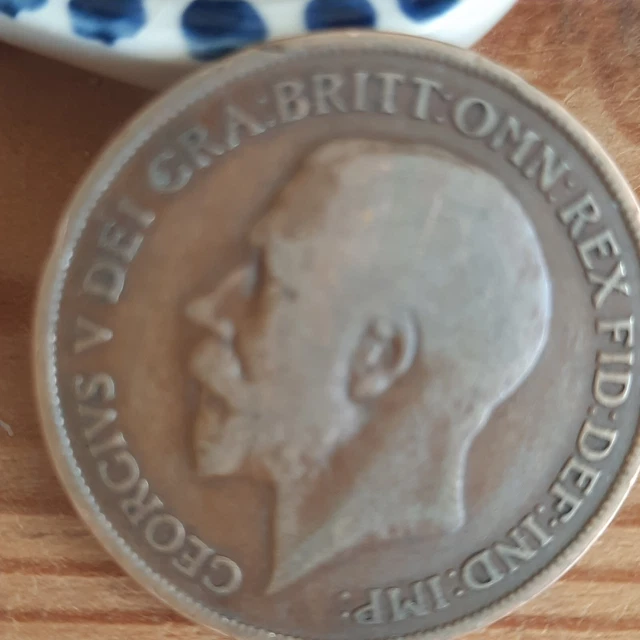
Okay, picture this: 1916. World War I is raging. Silent movies are all the rage. And a coin lands in your hand. But this isn’t just any coin. This one’s got a name… sort of. It's got a mouthful, actually: Georgivs V Dei Gra Britt Omn Rex.
Yeah, try saying that five times fast! Don't worry, we'll break it down. It's Latin. Because, you know, even in the 20th century, the British monarchy loved a bit of classical flair.
What Does it All Mean?
Let’s get into the nitty-gritty, shall we? Georgivs V is pretty straightforward. That's George V, the King of England at the time. Think "The King's Speech" but in coin form.
Must Read
Now things get interesting. Dei Gra is short for "Dei Gratia," which means "By the Grace of God." Basically, King George V believed his power came from above. No pressure, George!
Here comes the real tongue twister: Britt Omn Rex. This translates to "King of all the Britains". That's * Great Britain * and all the British territories. Basically, the whole shebang! So there it is, the full phrase: "George V, by the Grace of God, King of all the Britains." Quite the title, huh?
Why Latin, Though?
Good question! Even though English was, you know, spoken in England, Latin was still considered super prestigious. It was the language of the Roman Empire, the Church, and scholars. Basically, putting Latin on a coin made it seem more official, more important, and, let's be honest, a bit fancier. It was like adding a dash of regal spice to your everyday currency!
Think of it like this: it's like a modern company using some really old-school font in its logo to make it look established. It just adds a certain gravitas, even if nobody actually reads Latin anymore.
The Coin Itself
These coins weren't just pretty (well, some people thought so!). They were actually used! Imagine pulling one of these out to buy a loaf of bread during a time when the world was changing so rapidly.
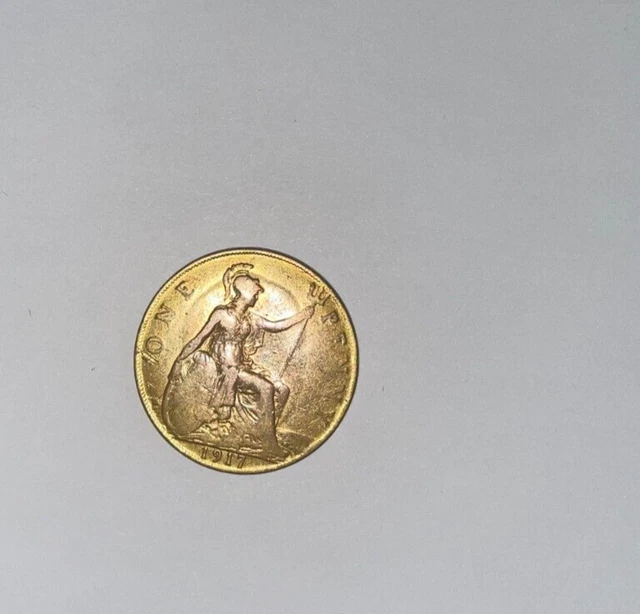
Finding one today? That's a cool piece of history right in your pocket (or your coin collection, if you're fancy). You're holding something that connects you to a specific time, a specific place, and a specific dude with a very long title.
Fun Facts and Quirky Details
Did you know that George V was Queen Elizabeth II's grandfather? Think of the family history packed into that tiny coin! It's like a mini-genealogy lesson you can hold in your hand.
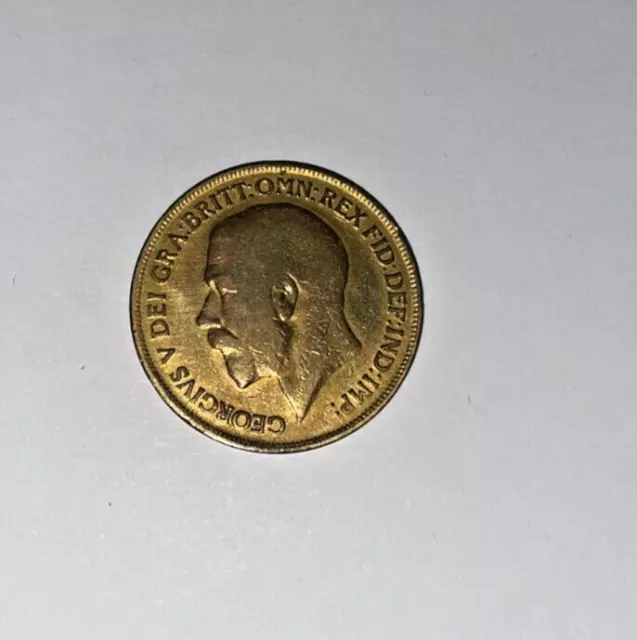
Also, the coins weren’t always universally loved. Some people thought George V looked a bit… stern. Maybe it was the weight of being "King by the Grace of God"! Or maybe he just wasn't a fan of posing for portraits.
And here's a funny thought: imagine trying to explain the inscription to someone who doesn't speak English or Latin. It would be quite the charade! You'd probably end up pointing and making kingly gestures.
Why Should You Care?
Okay, so maybe you’re not a coin collector or a history buff. But "Georgivs V Dei Gra Britt Omn Rex" is more than just a bunch of old words on a coin. It's a snapshot of a moment in time. It's a reminder of a world where kings ruled (or at least tried to), where Latin still held power, and where even everyday objects were imbued with a sense of grand history.

It's also just plain fun to say! Try it again: Georgivs V Dei Gra Britt Omn Rex! See? A little bit of 1916 silliness never hurt anyone.
Next time you see an old coin, take a closer look. Who knows what stories it might tell? It might not be quite as grandiose as "Georgivs V Dei Gra Britt Omn Rex," but every little piece of history is worth exploring.
Plus, let's be honest, it’s a fantastic conversation starter. "Hey, wanna hear me say something in Latin that I don't understand? It's on a coin from 1916…" Guaranteed to impress (or at least confuse) your friends!