10 Billion Divided By 200 Billion
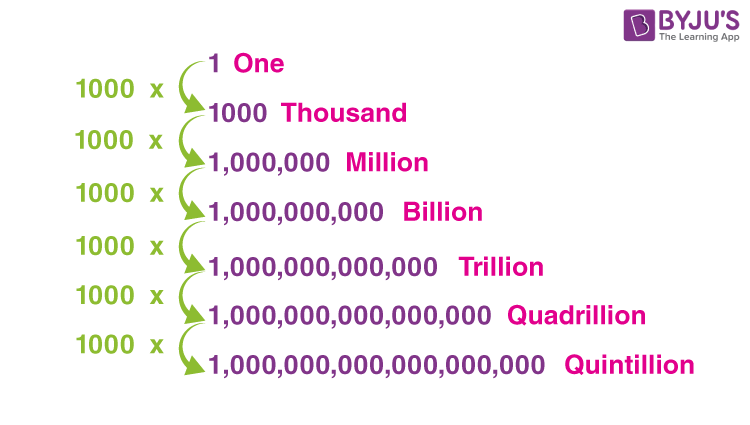
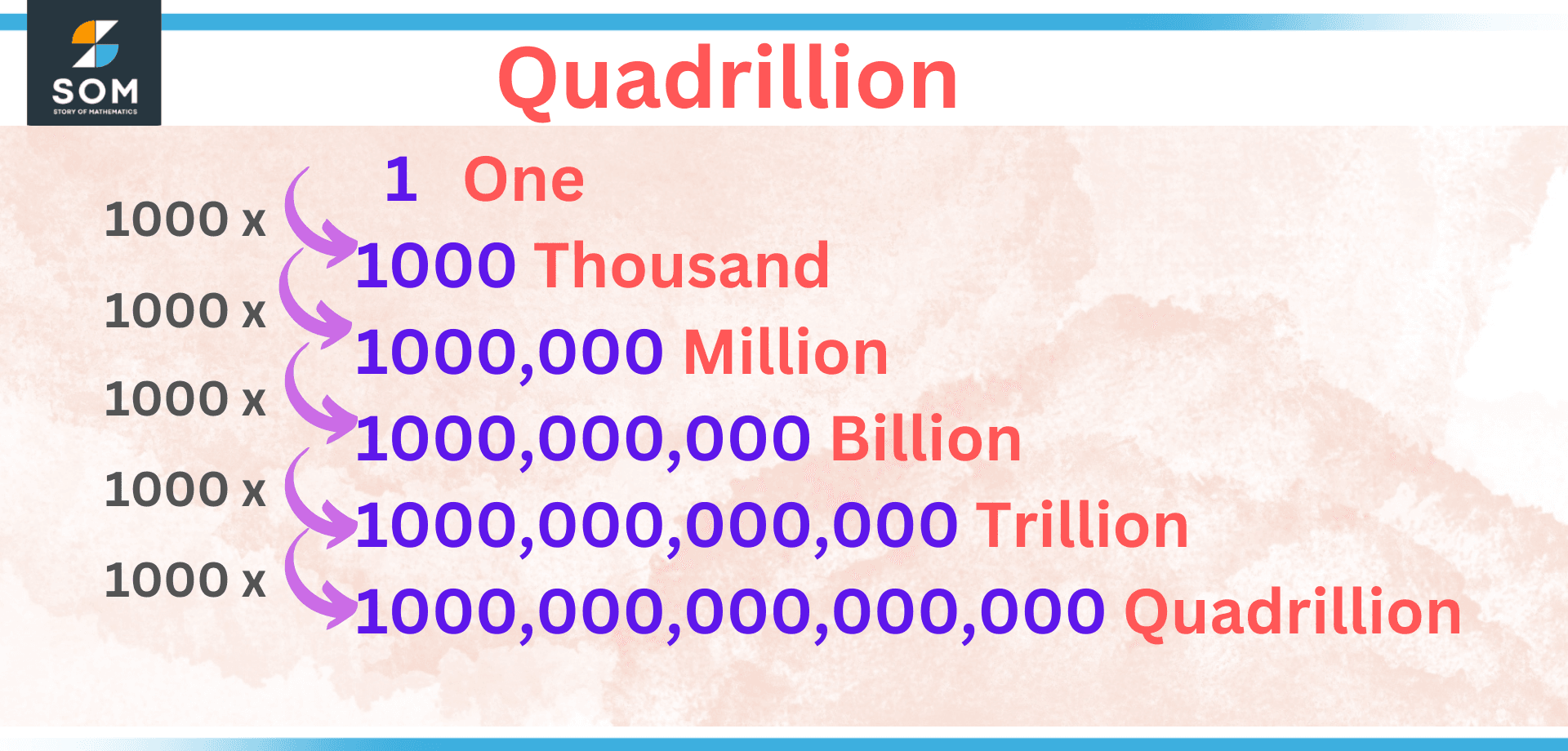
Okay, folks, let's talk about big numbers. Really, really big numbers. We're talking 10 billion versus 200 billion. Now, I know what you're thinking: "Ugh, math!" But trust me, this isn't your high school algebra class. We're not solving for 'x' (unless 'x' is the number of pizzas I can order if I suddenly become a billionaire… which, sadly, is not the case). Instead, we're going to explore the sheer immensity of these numbers and what happens when you pit them against each other in a simple division problem.
Think of it this way: 10 billion is like having a giant bucket of sprinkles. A really, really big bucket. You could probably fill a swimming pool with sprinkles if you had that much. Now, 200 billion? That's like having 20 swimming pools overflowing with sprinkles. Imagine the sticky mess! The ants would be ecstatic! And your dentist? Well, let's just say they'd be planning an early retirement.
So, what happens when we divide that smaller bucket (10 billion) into those 20 sprinkle-filled swimming pools (200 billion)? That's where things get interesting. The answer is 0.05. Now, I know what you're thinking again: "Okay… so what?"
Must Read
Well, 0.05 is actually a pretty tiny number. To put it in perspective, think of it as 5 cents. If you had $1, that's 100 cents. So 0.05 is a small fraction of a dollar. It’s the price of… well, maybe half a gumball these days. Probably not even a whole one! Inflation, am I right?
Why Does This Matter?
It might not seem like much, but understanding this relationship can give you a new perspective on things. Imagine the entire population of Earth. Let's say, hypothetically, we divided all the world's wealth (which is much, much more than 200 billion) amongst a smaller group of people (let's pretend it's a group that only controls 10 billion in resources). That tiny number, 0.05, illustrates how incredibly small a piece each person in that smaller group would get in comparison to the vast overall wealth.

Or, let's say you're building a sandcastle. 10 billion grains of sand might build a pretty impressive fortress. But 200 billion grains? You could probably build your own private island! Dividing the smaller sandcastle by the potential for a private island shows you just how much potential is out there. This applies to things like investment, charitable donations, and even just understanding the scale of large projects.
It’s about understanding proportions. A tiny amount, when compared to something huge, can feel insignificant. This can lead to feelings of overwhelm or even hopelessness. But it can also be incredibly motivating! Think about starting a business. Your initial investment might seem like a tiny drop in the ocean compared to the potential market. But every drop counts! Every little bit gets you closer to that bigger goal.
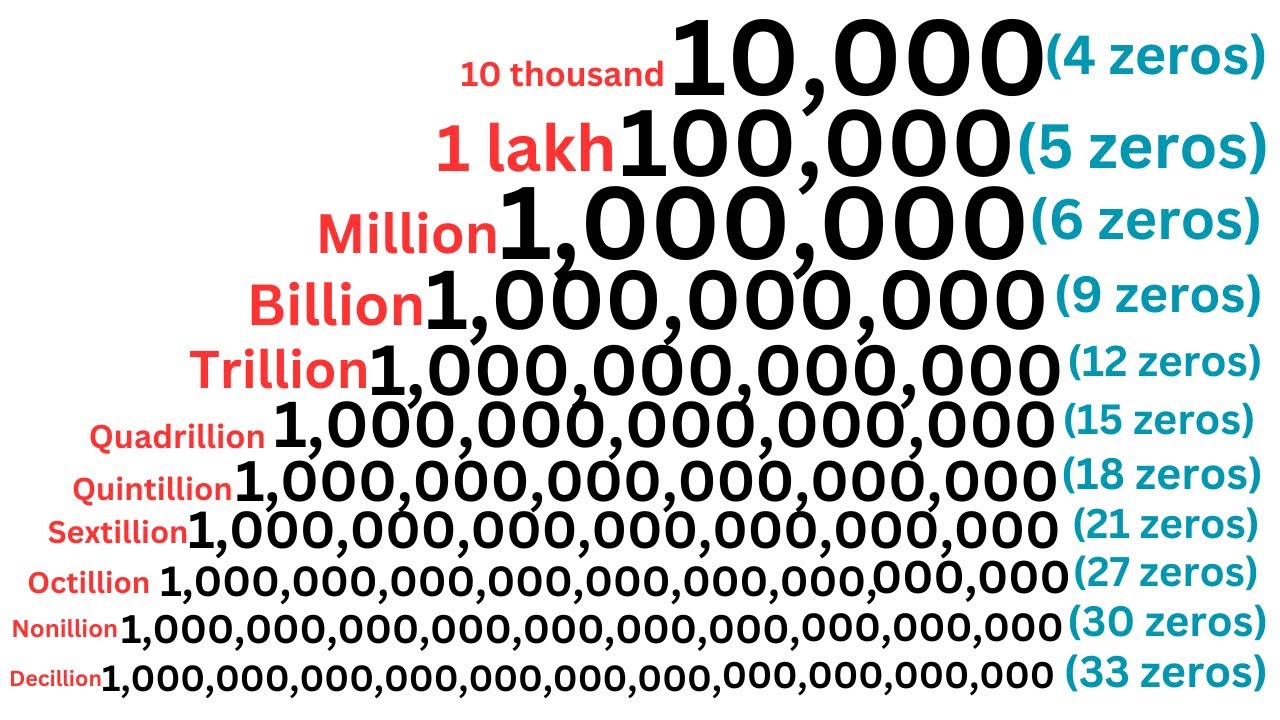
The Heartwarming Side of Tiny Numbers
Sometimes, those small numbers represent something deeply significant. Think about the percentage of your day you spend with loved ones. It might only be a small fraction of your entire day – 0.05 or even less. But those moments of connection are often the most meaningful. A quick phone call to your grandmother, a shared laugh with a friend, a bedtime story with your child – these seemingly small moments build strong relationships and create lasting memories.
Or consider the percentage of your income you donate to charity. It might be a tiny fraction of your overall earnings, but that small contribution can make a huge difference in someone else's life. Even a small act of kindness, like holding the door open for someone or offering a compliment, can have a ripple effect that spreads far beyond what you might imagine. As
Mother Teresaonce said, "Not all of us can do great things. But we can do small things with great love."
So, the next time you encounter a seemingly insignificant number, remember the story of the sprinkles and the swimming pools. Remember that even the tiniest fraction can have a powerful impact, whether it's in the realm of finance, relationships, or simply making the world a slightly better place, one 0.05 at a time.