
1 Billion Divided By 100 Million
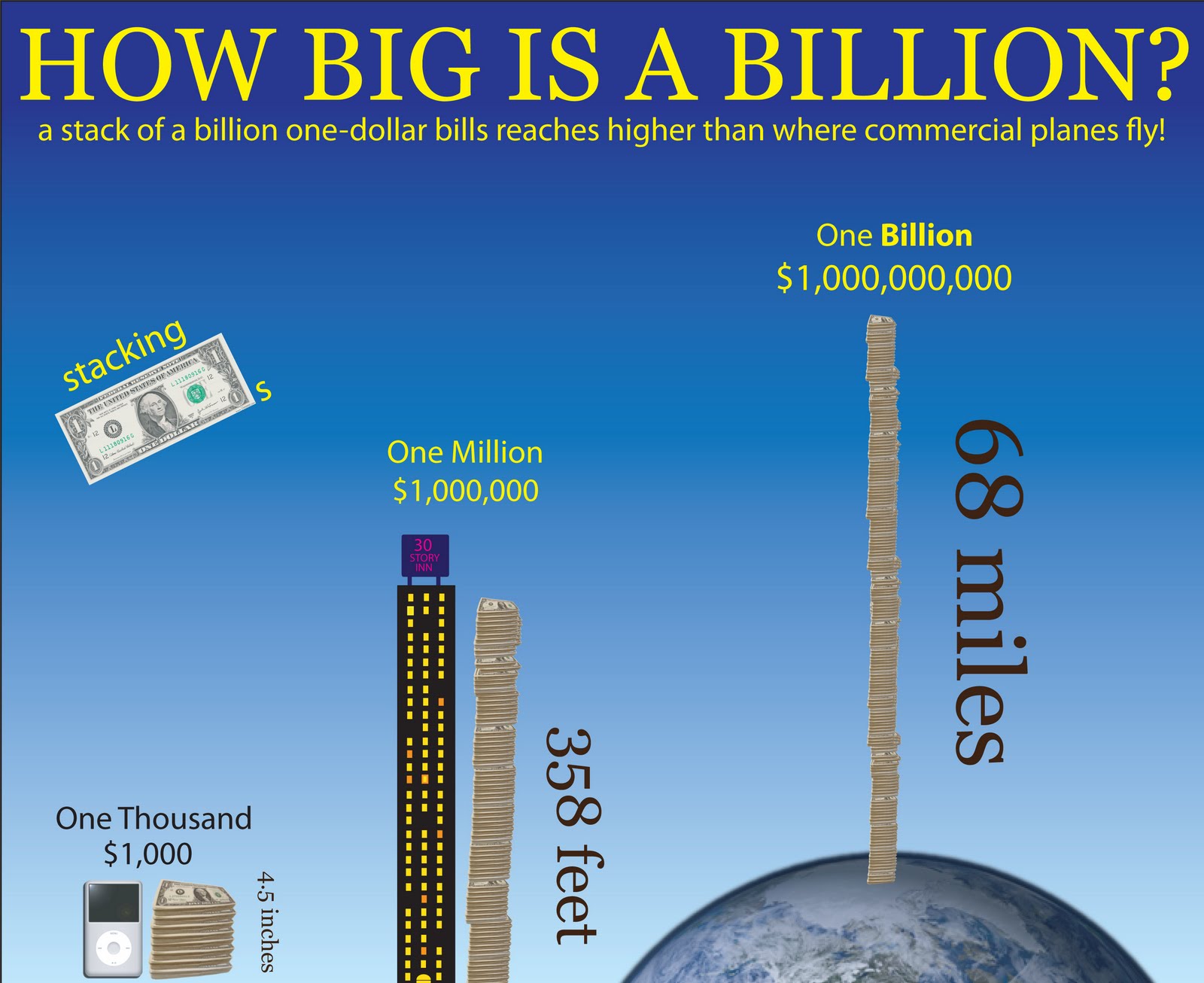
Hey everyone! Ever just zone out and start thinking about ridiculously big numbers? Like, really big? I do it all the time. And recently, my brain wandered to this: What happens when you divide one billion by one hundred million?
Sounds kinda intimidating, right? All those zeros can be a bit overwhelming. But trust me, the answer is surprisingly simple, and the journey to finding it is actually pretty cool. Why? Because it gives us a peek into how we understand scale and relative size in the world around us.
Diving into the Zeros
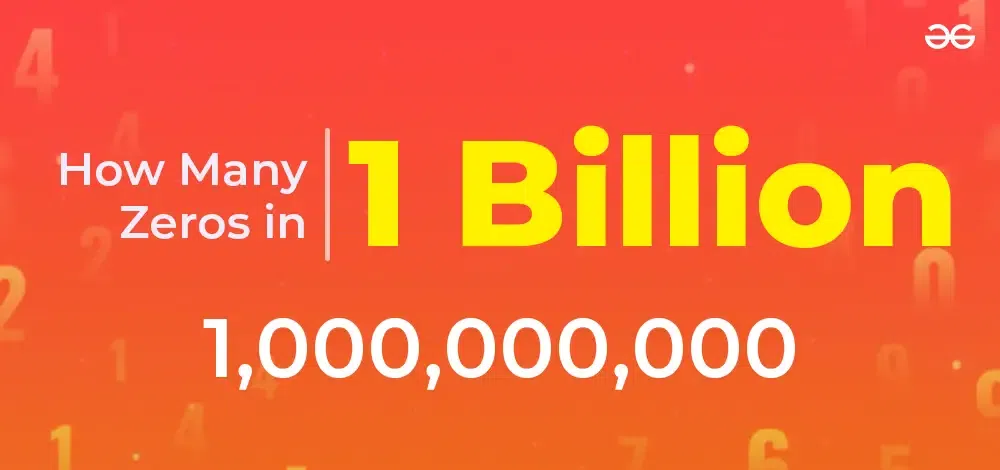
Okay, so let's break it down. We're talking about 1,000,000,000 (one billion) divided by 100,000,000 (one hundred million). What's the easiest way to tackle this? The magic trick is to think about those zeros! They're just placeholders, right?
Must Read
Imagine we're cancelling out zeros, like deleting text in a document. If we cancel out eight zeros from both numbers, what are we left with? We’re left with 10 divided by 1. Boom! That's 10/1. Which equals 10.
So, one billion divided by one hundred million is simply… 10. See? Not so scary after all!
Why is this Actually Interesting?
Okay, you might be thinking, "Great, I can do basic division. What’s the big deal?" But hold on! Understanding this relationship between a billion and a hundred million gives us some real perspective.
Think about it this way: Imagine you have a massive jar filled with 1 billion grains of rice. Now, imagine scooping out portions of 100 million grains of rice at a time. How many scoops would you need to empty the whole jar? Exactly! Ten scoops.
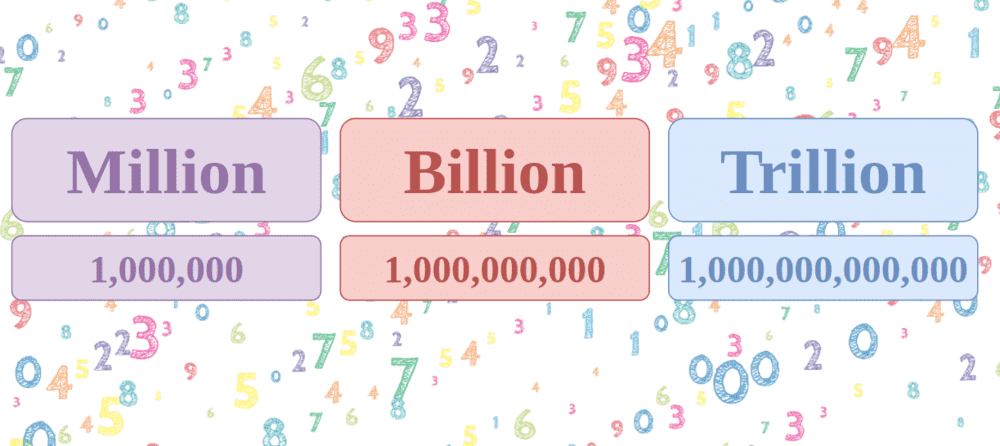
This helps us grasp the magnitude of these large numbers. A billion isn't just a hundred million plus some extra fluff. It’s ten times bigger!
Here's another fun comparison: Let's talk money! Imagine you're a super-rich celebrity (we can dream, right?). You've got a cool $1 billion. Now, imagine your slightly-less-rich friend has $100 million. How many times richer are you than your friend? You guessed it – you’re ten times wealthier. So, you can probably afford to buy a really nice yacht!
The Power of Scale
This simple division exercise highlights the importance of understanding scale. We use these kinds of comparisons all the time, whether we realize it or not.

Consider population. If a country has a population of one billion and another has a population of one hundred million, you instantly know that the first country is significantly larger. And this affects everything from its economy to its political influence.
Or think about business. A company with a billion dollars in revenue is a completely different beast than one with a hundred million dollars in revenue. The billion-dollar company has significantly more resources, reach, and impact. It's operating on a completely different level.
Beyond the Numbers: A New Perspective
The cool thing about playing with large numbers like this isn't just about the math itself. It's about developing a better intuition for the world around us.
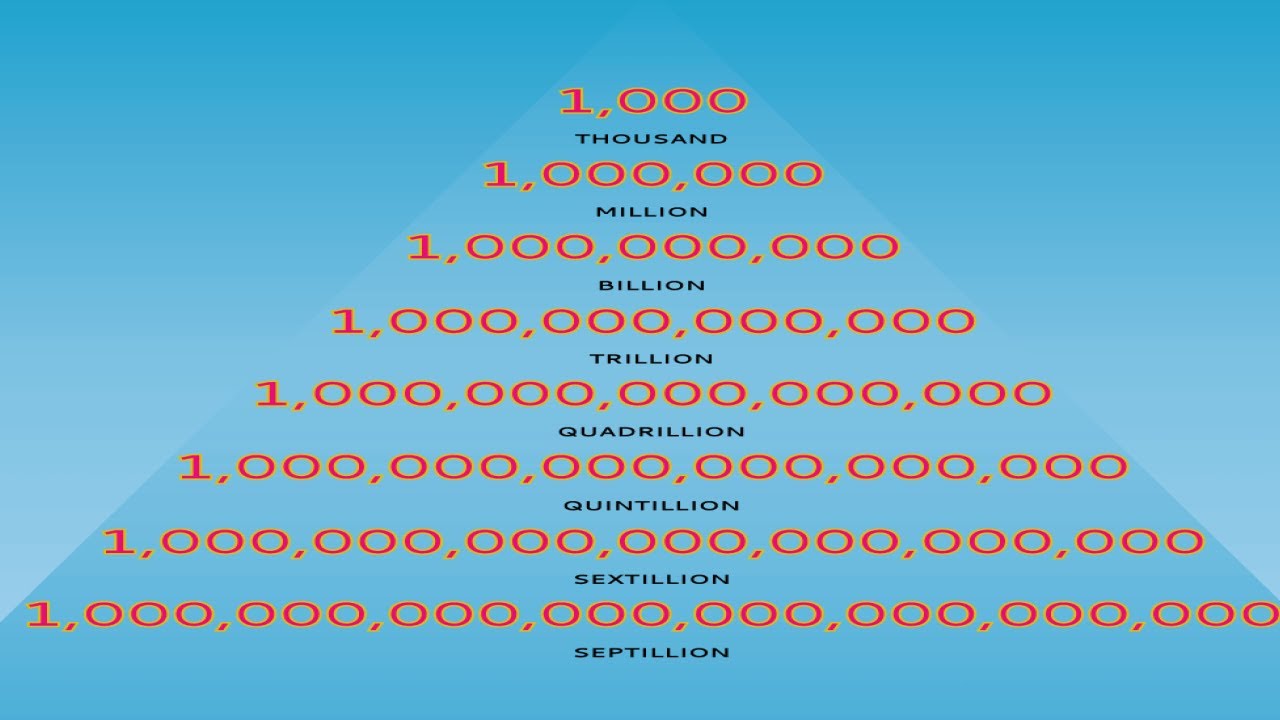
Suddenly, news articles mentioning billions of dollars in government spending or millions of people affected by a natural disaster start to carry more weight. You have a better understanding of the real impact these numbers represent.
So, next time you encounter a ridiculously large number, don't shy away from it! Take a moment to break it down, compare it to something you understand, and see what insights you can uncover. You might be surprised at what you discover.
Who knew that a simple division problem could lead to such a fascinating journey? So, are you thinking about numbers differently now? I hope so!