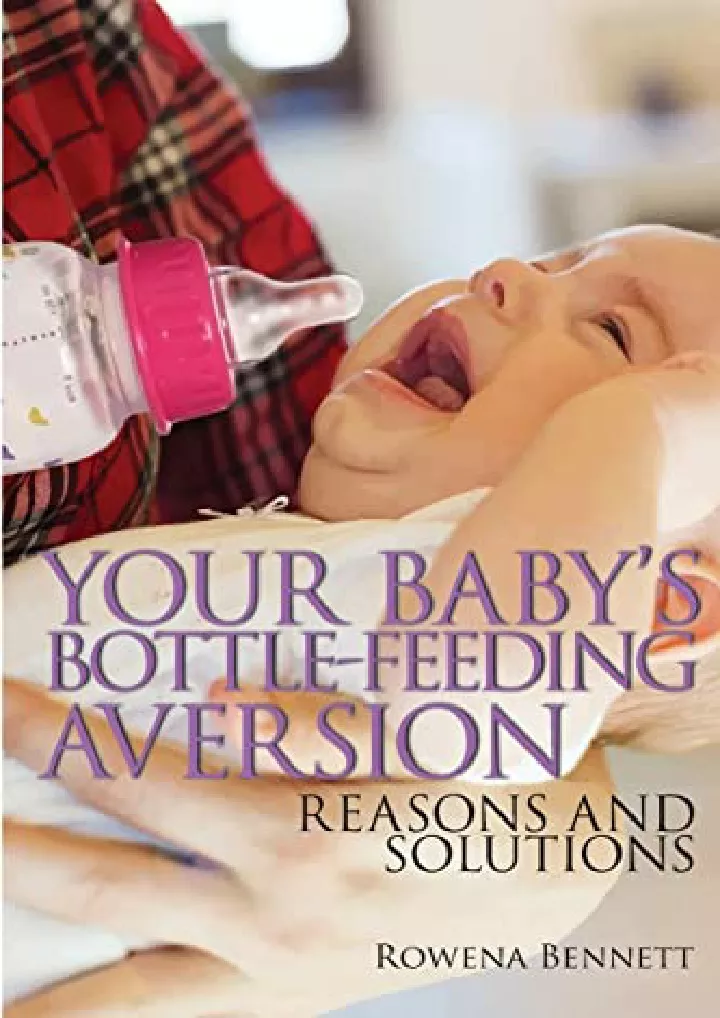
Your Baby's Bottle-feeding Aversion: Reasons And Solutions Pdf Free
Let's face it, feeding your baby should be a joyous experience, a time for bonding and nourishment. But what happens when your little one turns their nose up at the bottle? It's enough to make any parent's heart sink! A bottle-feeding aversion, also known as bottle refusal, is surprisingly common, and while it can be stressful, understanding why it happens and knowing how to address it can make all the difference. Think of it as detective work – you're figuring out the clues to solve the mystery of your baby's feeding preferences.
This article aims to be your friendly guide through the world of bottle-feeding aversions. We’ll explore the common reasons why your baby might be refusing the bottle, and, more importantly, provide practical and actionable solutions you can try right away. The benefit? A happier baby, a less stressed parent, and a more peaceful feeding experience for everyone involved!
So, why might your baby be giving the bottle the cold shoulder? Here are a few potential culprits:
Must Read
- Medical Reasons: Reflux, colic, or even a simple ear infection can make feeding uncomfortable. These issues can cause pain or discomfort when swallowing, leading your baby to associate the bottle with negativity. Always consult your pediatrician to rule out any underlying medical conditions.
- Flow Rate Issues: The nipple flow might be too fast, causing your baby to gulp and choke, or too slow, leading to frustration. Experiment with different nipple sizes to find the perfect flow for your little one. Remember, patience is key!
- Temperature Preferences: Just like adults, babies have their temperature preferences. The milk might be too hot or too cold. Test the temperature on your wrist to ensure it's comfortably warm.
- Sensory Sensitivities: Some babies are sensitive to the texture or taste of formula or breast milk. Try different brands or consult with a lactation consultant to explore options.
- Learned Aversion: This can happen if your baby has had a negative feeding experience, such as being forced to finish a bottle when they were full.
- Teething: Sore gums can make feeding painful. Offer a cold teething toy before feeding to help soothe the discomfort.
Now for the solutions! Here are some tips and tricks to try:
- Check the Basics: Make sure the bottle and nipple are clean and in good condition. Try a different bottle type or nipple shape.
- Create a Calm Environment: Minimize distractions and create a relaxed feeding atmosphere. Soft lighting and gentle music can help.
- Change Positions: Experiment with different feeding positions to find one that's comfortable for both you and your baby. Try side-lying or sitting upright.
- Offer the Bottle When Baby is Calm: Avoid offering the bottle when your baby is overly hungry or upset.
- Don't Force It: Forcing a baby to feed will only create a negative association with the bottle. If your baby refuses, try again later.
- Skin-to-Skin Contact: Holding your baby skin-to-skin while feeding can help them feel secure and comfortable.
- Consider a Sippy Cup (for older babies): If your baby is old enough (usually around 6 months), you could try offering liquids in a sippy cup or straw cup instead.
Remember, every baby is different, and what works for one might not work for another. Don't be afraid to experiment and find what works best for you and your little one. And most importantly, don't hesitate to seek professional help from your pediatrician or a lactation consultant. They can provide personalized guidance and support to help you navigate this challenging phase. You've got this!