
You Ve Been Poisoned Tea Cup
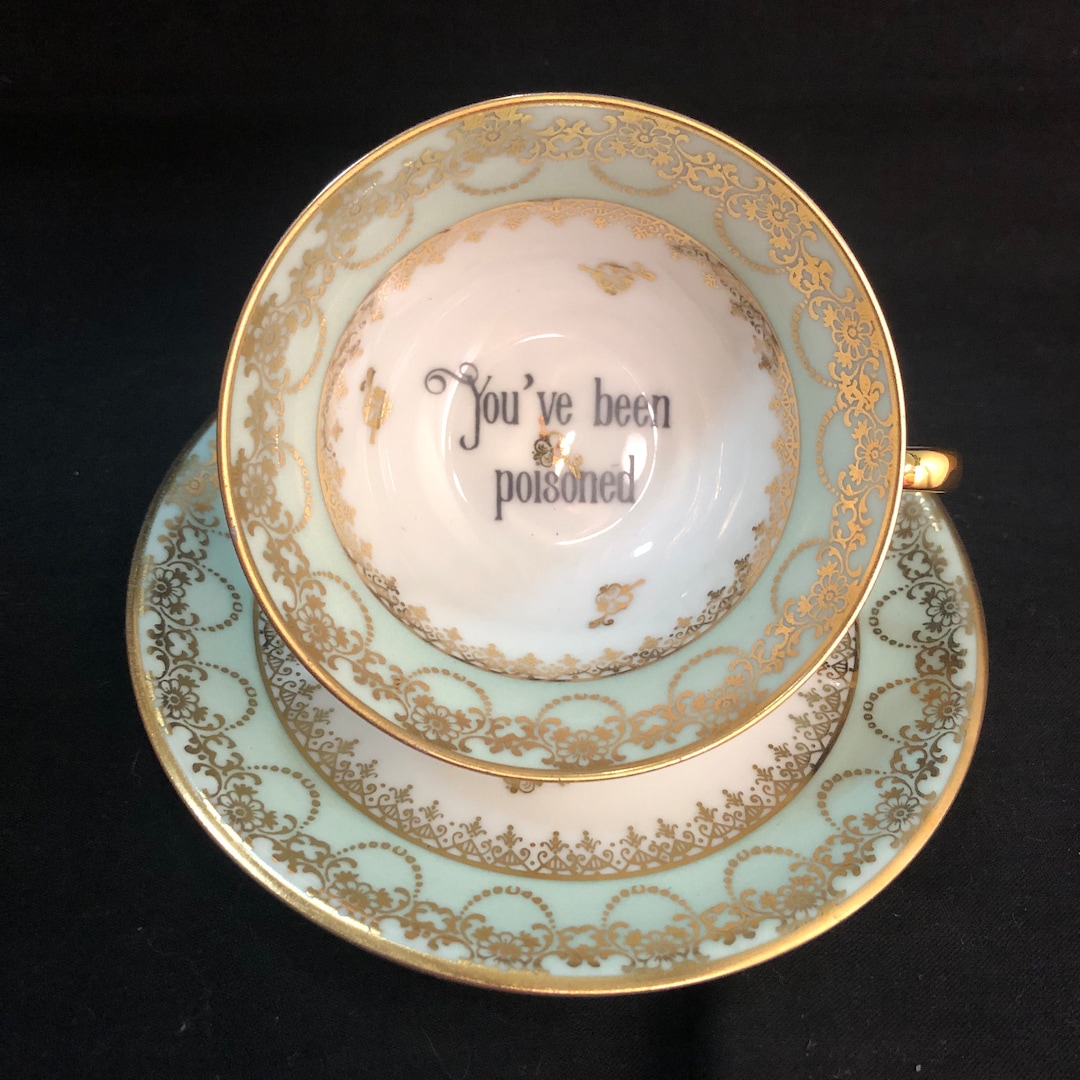
Picture this: you’re curled up on a rainy afternoon with a steaming cup of tea. The world outside is a blurry watercolor, and inside, all is cozy contentment. But wait… what if I told you that seemingly innocent cup could be more treacherous than a Bond villain's lair? Okay, maybe not poisoned in the dramatic, arsenic-laced sense. But think about the "poisoned" possibilities lurking within!
The Culprits: Teacup Edition
Let’s explore some of the more common, less sensational, yet still impactful “poisons” that can find their way into your teacup.
First, there's the invisible enemy: microplastics.. If you're using tea bags made of nylon or plastic (yes, they exist!), you might be unintentionally brewing up a cocktail of tiny plastic particles. Studies have shown that these bags can release millions of microplastics into your cuppa. Not exactly what you envisioned for your wellness ritual, right?
Must Read
The Fix: Opt for loose-leaf tea or tea bags made from natural, biodegradable materials like paper or cotton. A reusable infuser is a chic and eco-friendly alternative. Think of it as your contribution to saving the planet, one teacup at a time.
Next up, the sneaky sweetener overload. A spoonful of sugar (or three!) might help the medicine go down, but consistently loading up on added sugars can lead to a whole host of health issues. We’re talking energy crashes, weight gain, and even longer-term problems like insulin resistance.

The Fix: If you crave sweetness, try natural alternatives like stevia, monk fruit, or a tiny drizzle of honey or maple syrup. Or, embrace the tea's natural flavors! You might be surprised at how delicious a good quality tea can be without any additions.
Then there's the caffeine crash. While caffeine can be a delightful pick-me-up, excessive amounts, especially later in the day, can disrupt your sleep cycle. And let's be honest, nobody looks good with dark circles and that "I haven't slept in days" zombie stare.
The Fix: Be mindful of the type of tea you're drinking. Black tea and green tea tend to have higher caffeine levels than herbal infusions. Consider switching to decaf options in the afternoon or evening. Rooibos, chamomile, and peppermint teas are all naturally caffeine-free and incredibly soothing.

Beyond the Brew: Teacup Toxins
The "poison" isn’t always in the tea. Sometimes, it’s the teacup itself! Vintage teacups, while undeniably charming, can sometimes contain lead in their glazes. Leaching of lead can occur especially when hot liquids are in contact with the teacup for longer duration.
The Fix: While you can admire that antique beauty, consider using it primarily for display. If you do use vintage teacups, make sure they are from a trusted source and are confirmed lead-free. New, high-quality teacups are often made from bone china or porcelain, which are generally safer options. Check for certifications to be extra sure!

And finally, let’s not forget about temperature extremes. Scalding hot tea can damage your taste buds and even increase your risk of esophageal cancer over time. Ouch!
The Fix: Let your tea cool slightly before sipping. Think Goldilocks – not too hot, not too cold, but just right.
A Modern Tea Ritual
In today's fast-paced world, taking the time to brew and savor a cup of tea can be a small act of rebellion against the constant chaos. It’s a moment to pause, breathe, and reconnect with yourself.
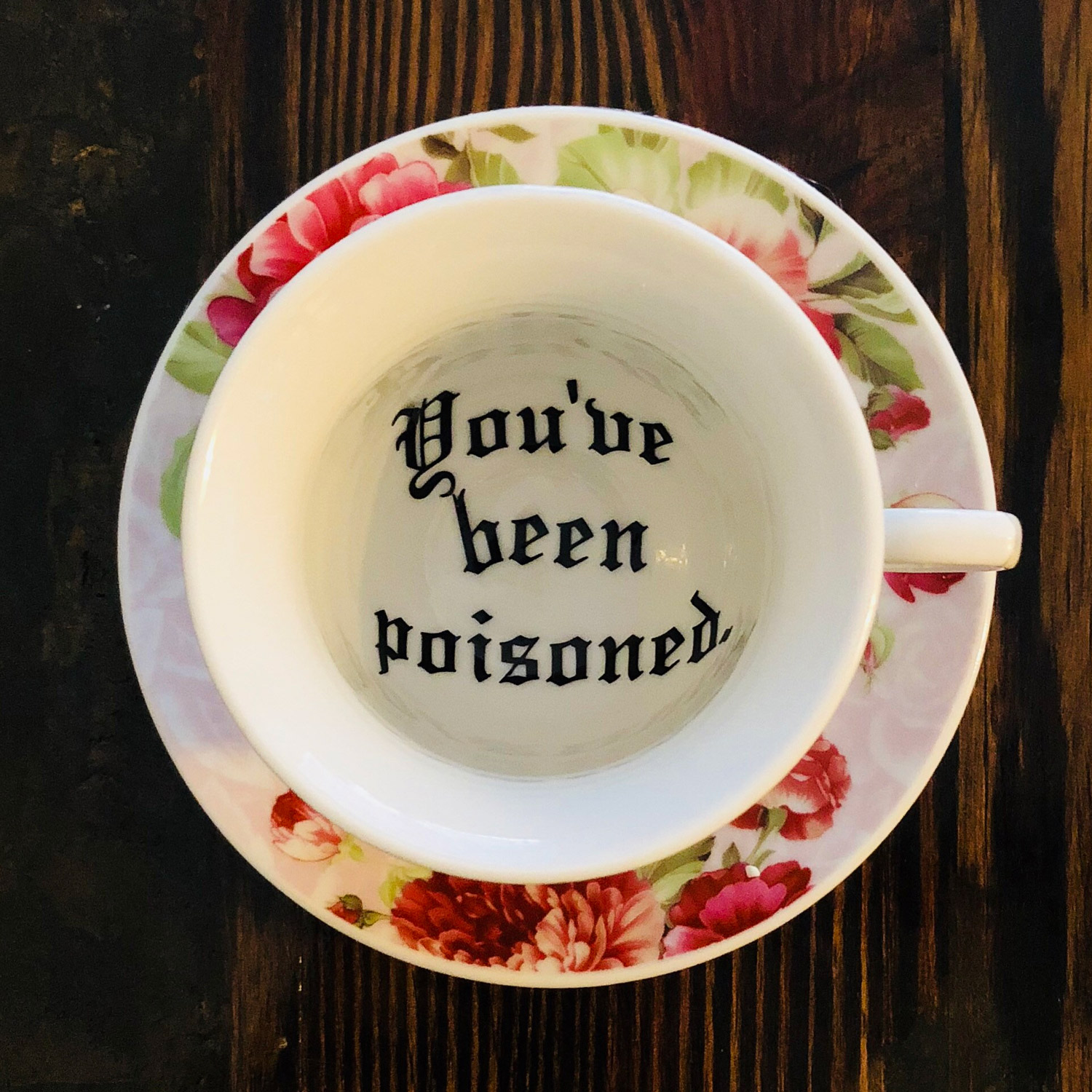
Think of your tea ritual as a mini-meditation. Pay attention to the aroma, the warmth in your hands, and the taste on your tongue. It's an opportunity to be fully present in the moment.
The Takeaway
So, has your teacup been "poisoned?" Probably not literally. But being mindful of the ingredients, the materials, and the way you consume your tea can make a big difference in your overall well-being. It’s about making informed choices that nourish your body and soul.
And ultimately, that’s what tea is all about: finding moments of simple pleasure and creating a little bit of magic in the everyday.