You Must Own A Uad-2 Device To Purchase This Product

Let's face it, who doesn't love the feeling of a professionally mixed and mastered track pumping through their headphones or speakers? That crystal-clear clarity, the punchy drums, the vocals sitting perfectly in the mix – it's sonic bliss! Whether you're a musician crafting your next hit, a podcaster aiming for pristine audio, or simply a music enthusiast striving for the ultimate listening experience, achieving that professional sound is a journey many of us embark on.
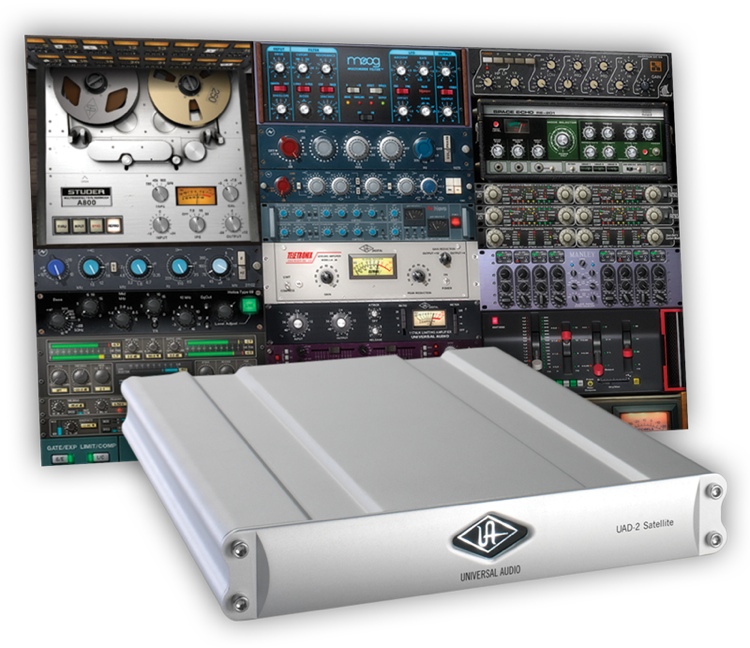
But what if there was a shortcut, a magic wand (of sorts) that could elevate your audio game from "meh" to "magnificent"? That's where Universal Audio (UA) comes in. They’re renowned for creating industry-standard plugins that emulate classic studio hardware. Think legendary compressors, EQs, and reverbs – the very tools used to create some of the most iconic recordings of all time. And, they are now selling them on the UAD platform!
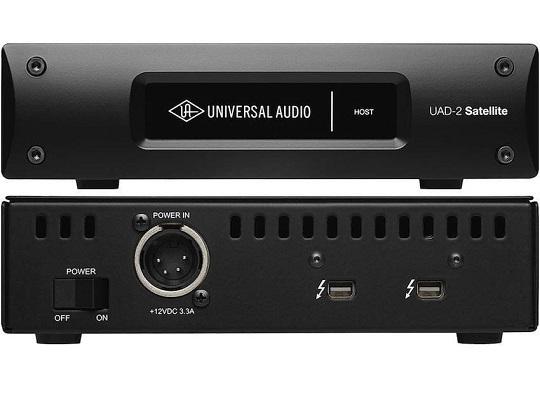
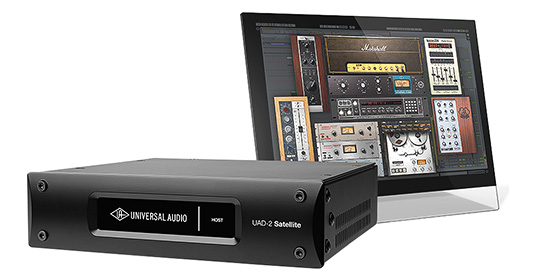
Now, here's the "catch" – a phrase you'll often see alongside these coveted plugins: "You Must Own a UAD-2 Device to Purchase This Product." So, what's the deal with this UAD-2 business? Simply put, UAD-2 devices (like the Apollo interfaces or the UAD-2 Satellite) are powerful DSP (Digital Signal Processing) accelerators. They’re basically external processors that handle the heavy lifting of running those complex UA plugins, freeing up your computer's CPU to handle other tasks like recording and editing. This is crucial because those high-quality plugins can be resource-intensive. Running too many directly on your computer can lead to dreaded audio glitches and performance issues.
Must Read
The benefits are clear: superior sound quality, access to emulations of vintage gear that would otherwise cost a fortune, and a smoother, more stable workflow. Common applications are everywhere in the audio production world. Vocal chains in recording studios often use UAD compressors and EQs, while mastering engineers rely on them for subtle tweaks that add polish and depth. Even live sound engineers are using UAD devices to bring studio-quality effects to the stage.
But how can you make the most of this UAD ecosystem? Here are a few practical tips:
- Invest in a UAD-2 device that suits your needs. Consider the number of inputs/outputs you need and the amount of DSP power you require. If you're just starting out, a smaller Apollo interface or a UAD-2 Satellite might be a good option.
- Demo, demo, demo! UA offers free trials of all their plugins. Experiment with different plugins to find the ones that best fit your workflow and sonic preferences.
- Learn the fundamentals. Don't just blindly crank knobs. Understand how compressors, EQs, and reverbs actually work. This will allow you to make more informed decisions and achieve better results. There are tons of great tutorials online!
- Mix in stages. Don't try to do everything at once. Focus on getting a good foundation with basic EQ and compression before moving on to more advanced effects.
- Don't overdo it! Subtle tweaks are often more effective than drastic changes. The goal is to enhance the sound, not destroy it. Remember that even the best plugins can't fix a poorly recorded source.
Ultimately, investing in a UAD-2 device and their plugins is an investment in the quality of your audio. It's a commitment to achieving a professional sound that will elevate your music, podcasts, or listening experience to a whole new level. While the initial cost might seem daunting, the sonic rewards are well worth the investment for serious audio enthusiasts. So, are you ready to unlock the power of UAD?