Yellow Vs White Gold Engagement Rings
Planning a proposal? Congratulations! One of the most exciting parts is picking out the perfect engagement ring. And when it comes to the metal, the classic debate often boils down to this: yellow gold versus white gold. It's a fun decision because it’s all about personal style and what sparkles best on your loved one's finger. It's also useful to understand the differences so you can make an informed choice that will be cherished for a lifetime. Let’s dive into the glittering details!
The purpose of an engagement ring is, of course, to symbolize your commitment and upcoming marriage. But beyond that, it’s a piece of jewelry that will be worn every day (hopefully!). So, choosing the right metal is crucial for both its aesthetic appeal and its durability. Both yellow and white gold offer beauty and symbolize everlasting love, but they achieve it in different ways.
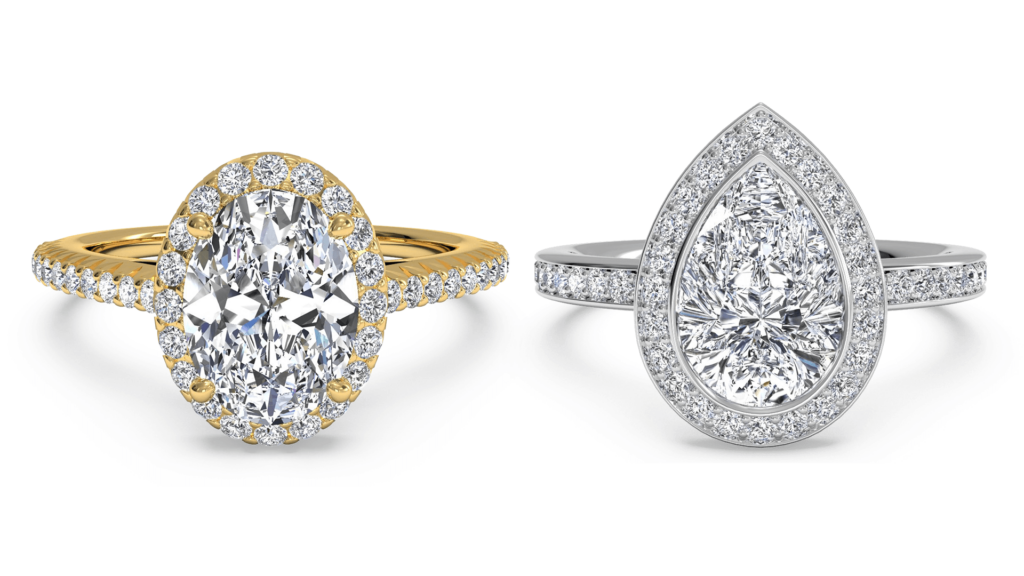
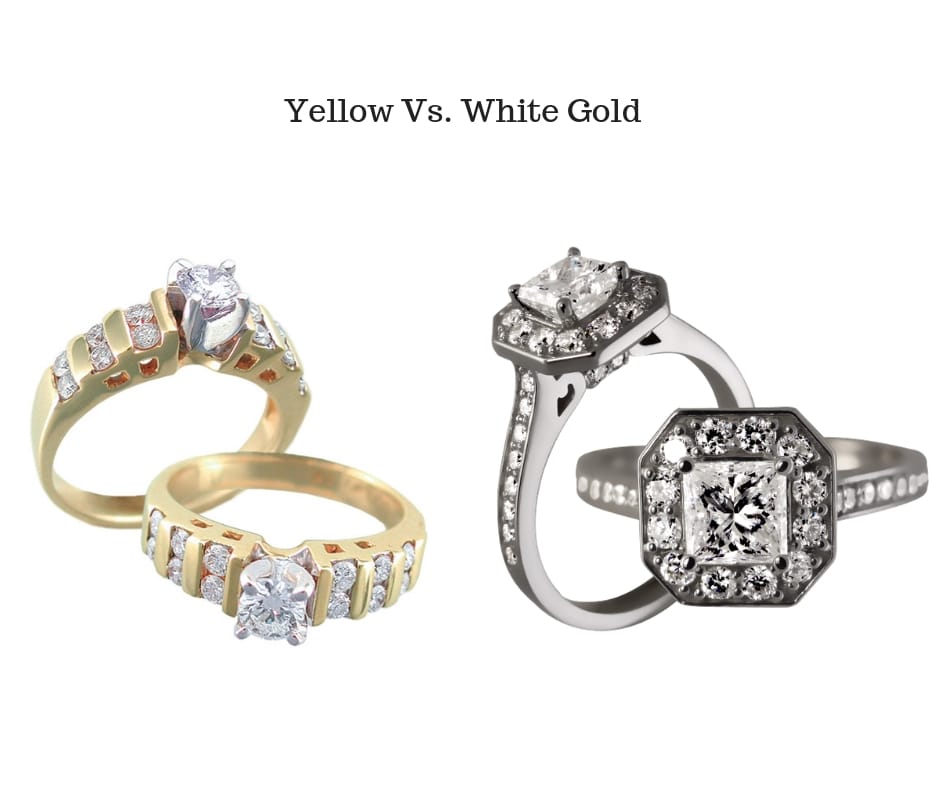
Let’s start with yellow gold. This is the more traditional option, evoking a sense of warmth, vintage charm, and timeless elegance. One of the benefits of yellow gold is its classic appeal. It complements warmer skin tones beautifully and adds a touch of richness to any diamond or gemstone it holds. Remember that gold in its purest form is very soft, so it's alloyed with other metals like silver, copper, and zinc to increase its strength and durability. The karat weight (e.g., 14K, 18K) indicates the percentage of pure gold; a higher karat means a richer, more vibrant yellow color, but also a softer metal. Yellow gold is generally considered lower maintenance compared to white gold because it doesn't require rhodium plating.
Must Read
Now, let's turn our attention to white gold. This option offers a sleek, modern, and sophisticated look. White gold is also an alloy, usually a combination of gold with metals like nickel, zinc, and silver, chosen for their color-whitening properties. A key benefit of white gold is its versatility. Its neutral tone allows it to pair well with a wider range of diamond cuts and settings. Most white gold rings are then plated with rhodium, a hard, white metal, to enhance their shine and durability. This rhodium plating gives white gold its bright, reflective surface. However, this plating wears down over time, typically requiring replating every 12-18 months, depending on wear and tear.

So, which one should you choose? Ultimately, the best choice depends on your partner's personal style and preferences. Consider their existing jewelry collection – do they tend to favor gold or silver tones? Think about their lifestyle – are they particularly active, which might necessitate a more durable setting? Take into account their skin tone – yellow gold often looks stunning on warmer complexions, while white gold can be a beautiful complement to cooler skin tones. Don't be afraid to subtly ask their friends or family for their opinion too!
In conclusion, both yellow and white gold are beautiful and enduring choices for an engagement ring. Weigh the pros and cons of each, consider your partner’s individual style, and choose the metal that best reflects your love and commitment. Happy proposing!