
Wireless Network Extender Vs Repeater
Okay, so picture this: You’ve just settled in with your giant mug of coffee, maybe a cozy blanket, ready to binge that new show everyone’s talking about. You hit play… and BAM! Buffering. Again. Right in the middle of the living room, your own personal Wi-Fi Bermuda Triangle. Sound familiar? Ugh, it’s the worst, right?
We’ve all been there, staring angrily at our phone, willing the signal bars to magically multiply. Our router, bless its little blinking heart, just can’t seem to reach every nook and cranny of our humble abode. And that’s when the internet gods (or, you know, a quick Google search) whisper two magical, yet utterly confusing, words: Wireless Network Extender and Repeater.
Wait, Are They Even Different? The Great Mystery!
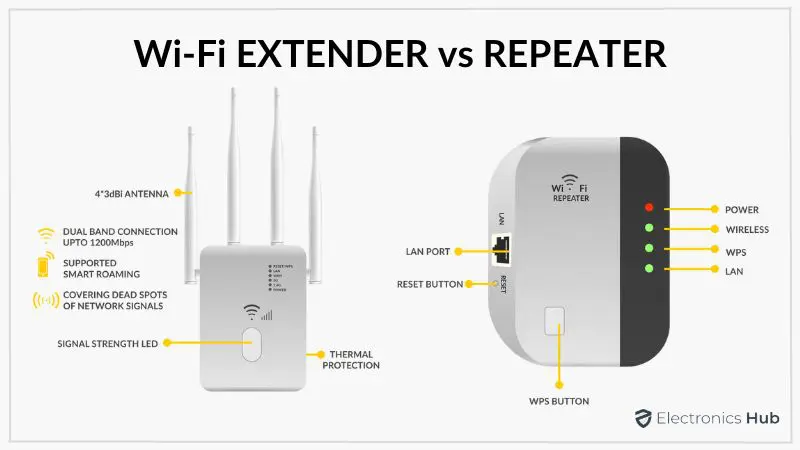
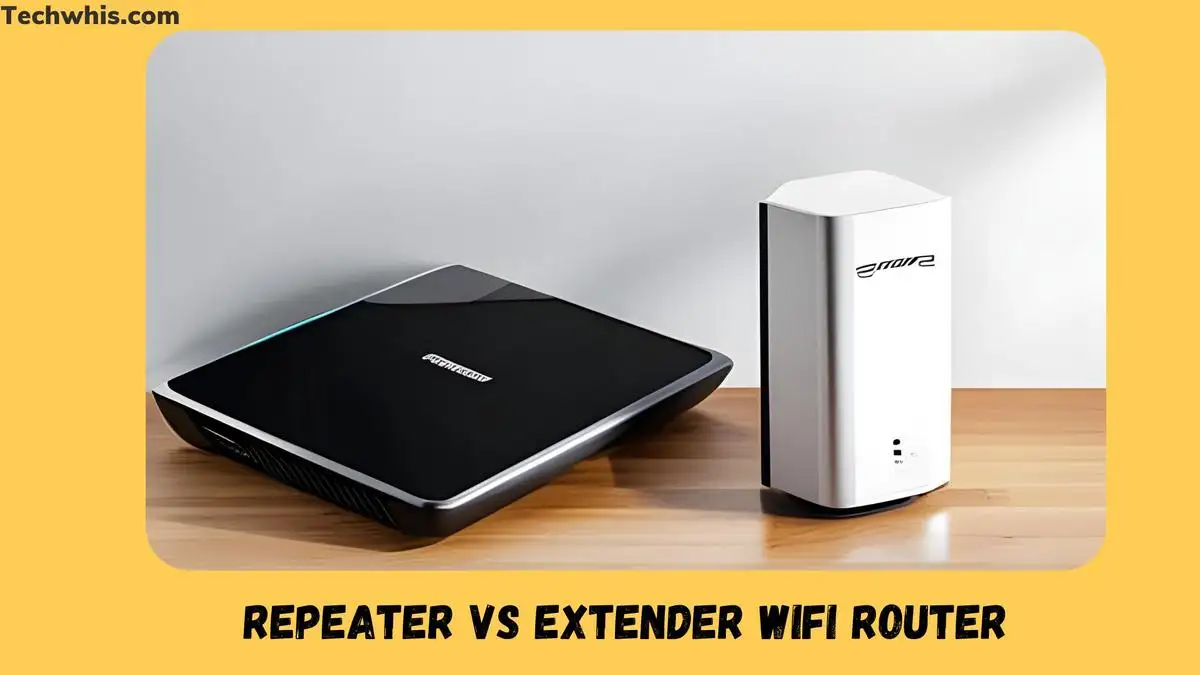
Right? This is where it gets hilariously muddy. You see these gadgets advertised, one called an "extender," the other a "repeater," and sometimes even a "booster." And you’re just sitting there, scratching your head, thinking, "Are they selling me the same thing with a different sticker?" And honestly, my friend, for most practical purposes for us home users, they’re pretty much doing the same exact job. Shocking, I know!
Must Read
Think of it like this: You call a fizzy drink "soda," I call it "pop," our friend from the UK calls it "fizzy drink." Different names, same bubbly goodness. Wireless network extenders and repeaters are largely in that same boat. The industry, bless its heart, just loves to confuse us.
So, What's the Gist of How They Work?
Alright, let's simplify this without needing a degree in network engineering. Imagine your Wi-Fi router is shouting signals into your house. But your house is big, or has thick walls, or maybe just a really awkward layout. So, by the time the Wi-Fi signal gets to your bedroom, it’s less of a shout and more of a tired whisper, right?
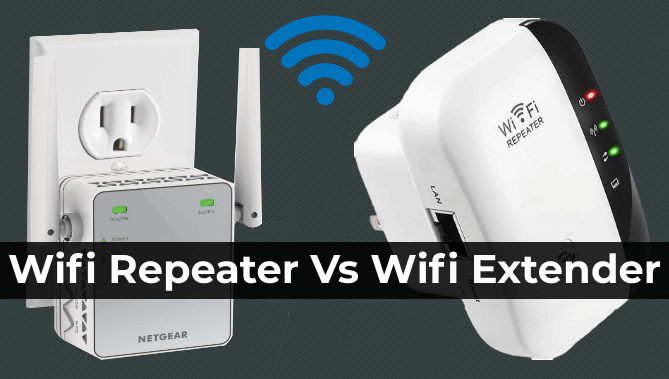
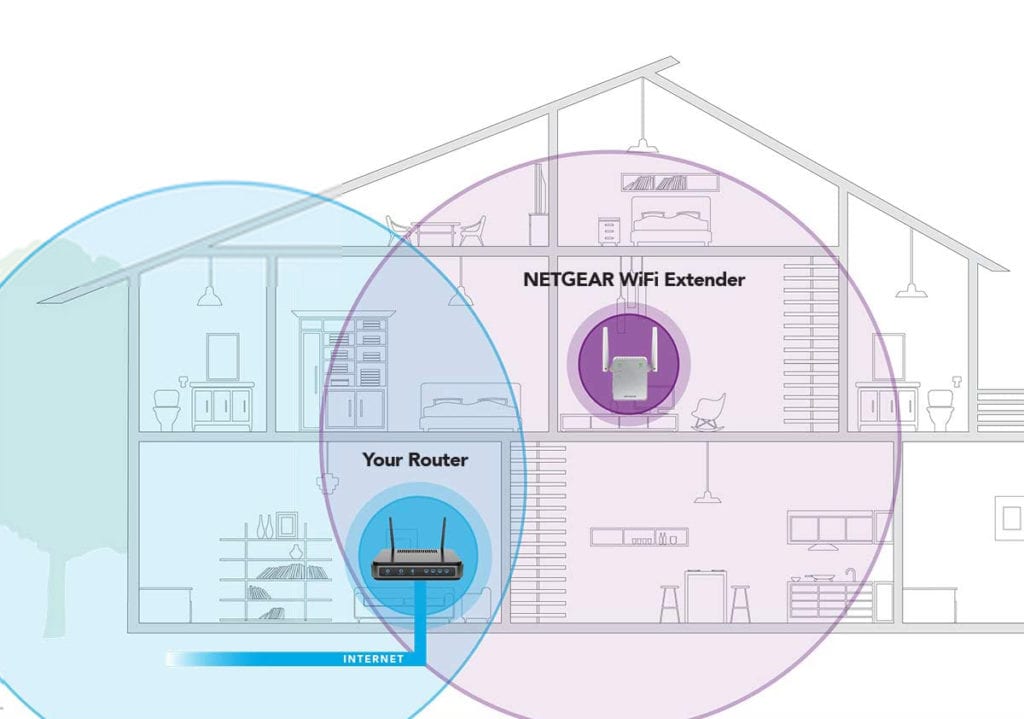
That’s where our little hero, the extender (or repeater, whatever you want to call it!), comes in. You plug it into an outlet somewhere between your main router and that annoying dead zone. It then listens for the weak Wi-Fi signal from your router, grabs it, and then — poof! — rebroadcasts a stronger version of that signal further into your home. It’s like a super helpful middleman.
Basically, it creates a new "hotspot" or access point that uses the same network name (or sometimes a slightly different one, like "MyHomeWiFi_EXT") and password as your original network. Your devices then connect to whichever signal is strongest – either your main router or the extender. Pretty neat, huh?
The Catch (Because There’s Always a Catch, Isn’t There?)
Now, before you go out and buy five of these things, there’s a little asterisk we need to talk about. Because our extender is both listening and talking at the same time on the same channel, it can sometimes mean your internet speed might take a little hit. Think of it like a conversation where one person has to repeat everything the other person says. It takes twice as long, right?
So, while it will absolutely extend your range, don't expect it to magically make your already slow internet lightning-fast. In fact, if your original signal is super weak where the extender is placed, it won't have much good signal to repeat, and you might end up with an extended but still pretty sluggish connection. Placement is absolutely key!
When Should You Grab One?
If you’ve got one or two stubborn dead zones in your house – maybe that one bedroom, or the patio where you want to stream music – an extender/repeater is a fantastic, relatively inexpensive solution. It’s perfect for pushing that Wi-Fi just a little bit further.
They’re usually super easy to set up too. Most of them have a little WPS button (Wi-Fi Protected Setup) that you press on your router, then on the extender, and bam! They’re chatting. Or, you go through a quick web interface setup. Either way, usually not a huge headache.
What About "Wireless Boosters"?
Oh, "boosters." Yeah, that's just another marketing term for the same thing. Sometimes it refers to an antenna, sometimes to an extender. Don't get too hung up on the names, honestly. Just look at what the device actually does – does it plug into the wall and rebroadcast your Wi-Fi? Then it's doing the extender/repeater job!
So, My Takeaway For You, My Friend?
Don't stress too much about the extender vs. repeater name game. Focus on what you need it to do: fill those annoying Wi-Fi dead zones.

Here's the quick and dirty checklist:
- Placement is EVERYTHING: Find a sweet spot where your extender can still get a decent signal from your main router. Too far out in the wilderness, and it’s just repeating garbage.
- Manage Expectations: It extends range, yes. It might slightly reduce speed. It won't turn dial-up into fiber.
- Easy Setup: Most are plug-and-play. If it sounds complicated, maybe look for another brand.
If your whole house is a Wi-Fi disaster zone, or you have super high-speed internet that you absolutely cannot afford to lose even a smidgen of, then maybe start looking into a Mesh Wi-Fi system. But that, my friend, is a whole other coffee chat!
For now, go forth and conquer those dead zones! May your streaming be buffer-free and your Wi-Fi signals strong. And remember, sometimes all it takes is a little middleman to make your digital life a whole lot happier. Cheers!