
Wired And Wireless Security Camera System

Ever found yourself staring at your front door, wondering if everything’s okay while you’re out grabbing a coffee? Or maybe you’ve just been curious about all those sleek little cameras popping up everywhere? You’re not alone! Home security cameras have become super popular, and for good reason – they offer a fantastic dose of peace of mind. But when you start looking into them, you quickly bump into a big question: wired or wireless?
It’s a bit like choosing between a trusty old landline and a zippy new smartphone. Both do the job, but they do it in delightfully different ways, each with its own charm and quirks. Let's peel back the layers and see what makes these systems tick, and why they're both so cool in their own right!
The Dependable Workhorse: Wired Security Cameras
Imagine a security guard who never takes a break, never needs a battery charge, and is always connected directly to headquarters. That's pretty much your wired security camera system. These guys are connected with cables – usually for both power and data – running directly to a central recording device, like a DVR or NVR. Think of it as a direct line of communication, no messing around with Wi-Fi signals or battery levels.
Must Read
What’s so great about being wired? For starters, reliability is king. Because they draw constant power and transmit data through dedicated cables, you rarely have to worry about dropouts or dead batteries. It's like having a dedicated internet line just for your cameras, which can make for super stable, high-quality video feeds. Plus, many folks feel a sense of security knowing that the feed isn't floating around in the airwaves, making it potentially harder for unauthorized eyes to snoop.
Another cool thing? They’re generally considered more robust against external interference. No worrying about your neighbor's fancy new router messing with your camera's signal. They just... work. They're the steady, reliable friend of the security world, always there, always on, always recording. You install them, and often, you can just forget about them, knowing they’re constantly watching over your space.
Of course, this rock-solid dependability comes with a tiny catch. Installation can be a bit more involved. We're talking about running cables, maybe drilling a few holes (eep!), and generally planning things out a bit more carefully. It’s not always a DIY weekend project for everyone, but once it’s set up, it’s usually set up for good.
![Amazon.com : [Wireless Pro, 100ft Range] Hiseeu Wireless Security](https://m.media-amazon.com/images/I/61VuS9+CL9L._AC_.jpg)
The Nimble Navigator: Wireless Security Cameras
Now, let's swing to the other side of the fence: wireless cameras. These are the free spirits, the tech-savvy adventurers of the security world! Imagine a camera that you can literally stick anywhere with a magnetic mount, and it just starts working. No wires (well, usually just a power wire, or sometimes none at all if it's battery-powered!), no fuss, just pure flexibility.
The beauty of wireless cameras is all about convenience and placement freedom. Want to keep an eye on the kids playing in the backyard from a new angle today? Just move the camera! Is there a new puppy causing mischief in the living room? Pop a camera right there! They connect to your home Wi-Fi network, sending video data wirelessly to the cloud or a local hub. Many are battery-powered, meaning literally no wires to worry about for months at a time. How cool is that?
Modern wireless cameras are also often packed with smart features. We’re talking about AI-powered person detection, two-way audio so you can talk to delivery drivers, and seamless integration with smart home ecosystems like Alexa or Google Home. They often come with sleek designs too, blending right into your decor without unsightly cables. They truly are the plug-and-play champions of home security.

But like any free spirit, they have their considerations. You’ll need a strong Wi-Fi signal where you place them – a weak signal is like trying to have a conversation through a walkie-talkie with a dying battery! And speaking of batteries, if your camera isn't wired for power, you'll need to remember to recharge or replace them periodically. It's a small trade-off for such amazing flexibility, wouldn't you say?
Security: It’s All About Smart Choices (For Both!)
Okay, let’s talk about the big elephant in the room: security itself. It might seem like wired cameras are inherently more secure because they’re physically connected, right? And wireless cameras might feel a bit more exposed since their data is floating through the air. Well, it’s a little more nuanced and incredibly interesting!
For wired cameras, the security focus is often on physical protection of the cables and the recording device. Someone would have to physically cut a cable or access your DVR/NVR to mess with your system. Digitally, they often operate on a more closed network, which can deter some types of remote hacking attempts. But you still need strong passwords and updated software, just like any other connected device.
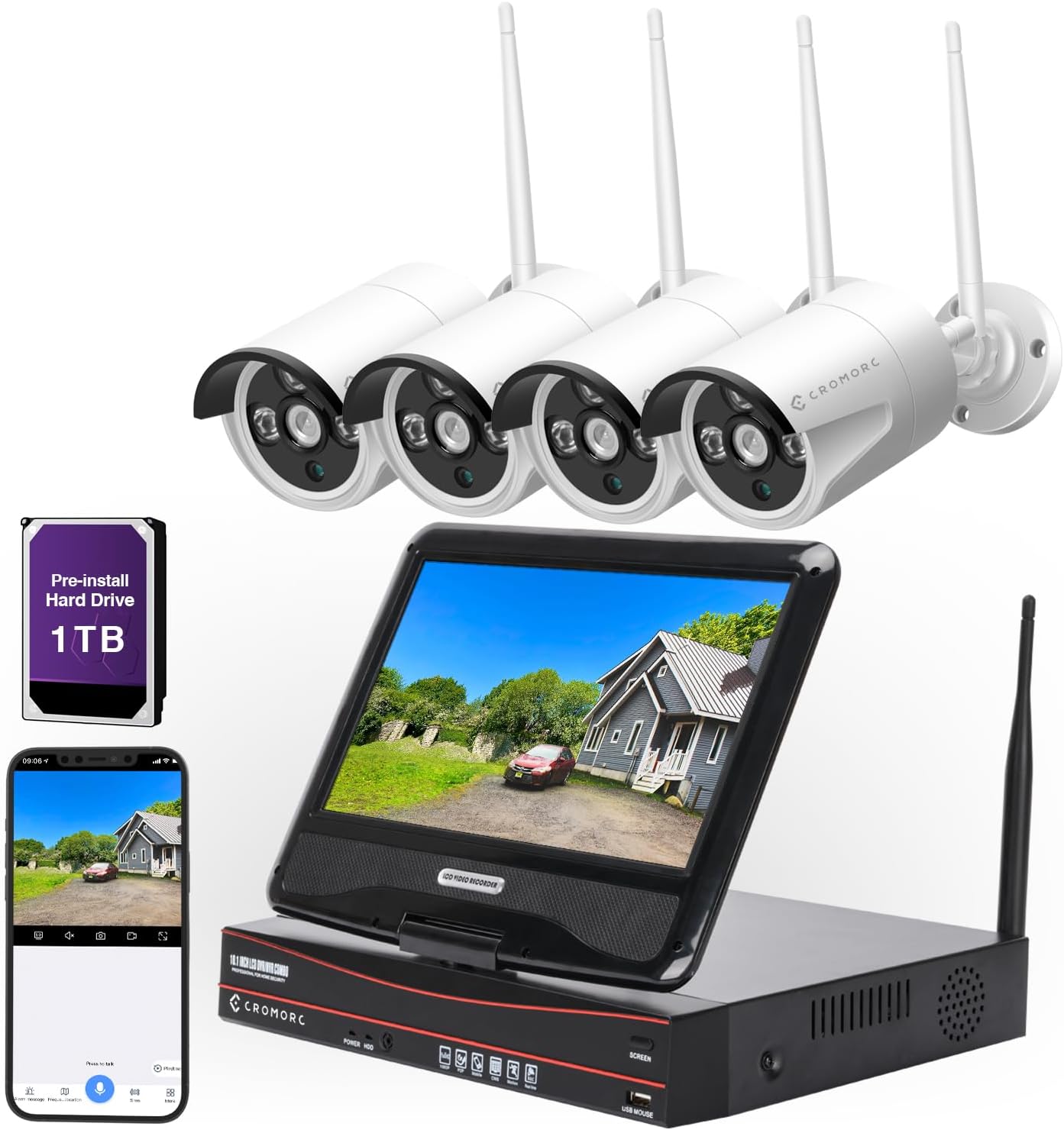
Wireless cameras, while they do send data over Wi-Fi, are designed with sophisticated encryption – often the same level of security your online banking uses! Think of it like sending a secret message in a super-secure, unbreakable code. The real key here is ensuring your home Wi-Fi network itself is secure. Use a strong, unique password for your router, enable WPA3 encryption if you can, and keep your camera’s software updated. Two-factor authentication for your camera app is also a massive security boost.
So, is one definitively "more secure" than the other? Not really in an absolute sense. It’s more about how you set them up and maintain them. A poorly secured wired system is just as vulnerable as a poorly secured wireless one. The cool part is that both types, when configured correctly, offer robust protection for your home. It’s about being a smart digital citizen, no matter how your camera connects.
Finding Your Perfect Match (Maybe Even Both!)
So, which one wins? The reliable landline or the flexible smartphone? The truth is, there's no single "best" answer, which is what makes it so interesting! Your ideal system really depends on your home, your lifestyle, and what feels most comfortable to you.

Do you prioritize absolute stability and don't mind a bit of a setup process? Wired might be your champion. Do you love the idea of effortless installation, moving cameras around, and all the latest smart features? Wireless is probably calling your name.
And here’s a secret: why not both? Many people opt for a hybrid system. Perhaps wired cameras for the most critical areas, like the main entrances, where you want that constant, unwavering feed. Then, complement them with wireless cameras in areas where flexibility is key, like the nursery, the pet corner, or a temporary outdoor spot. It’s like having the best of both worlds – the steadfast reliability where it matters most, and the agile convenience everywhere else!
Ultimately, whether you choose wired, wireless, or a clever combination, investing in a security camera system is about empowering yourself with eyes where you can't be, bringing that valuable peace of mind right to your fingertips. Isn't that a truly cool concept?