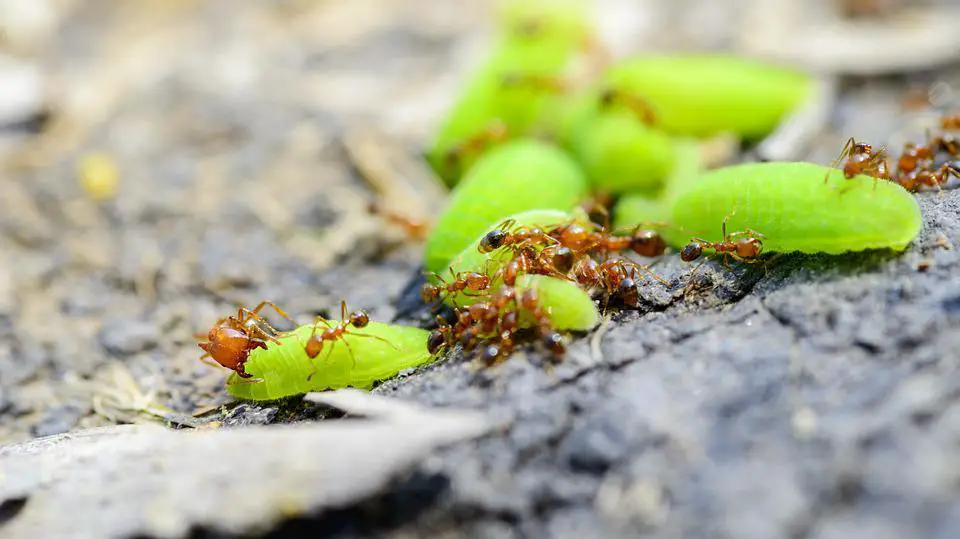
Will Wasp And Hornet Spray Kill Ants
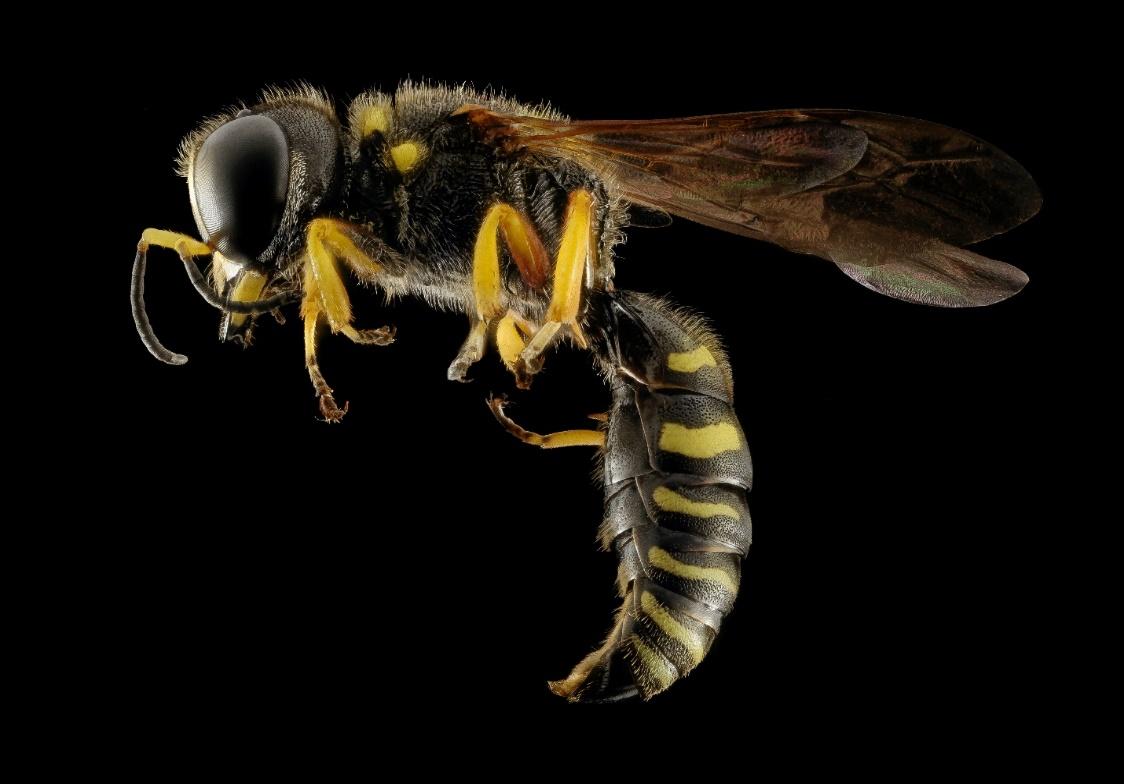
Let's talk bugs! Specifically, the age-old question: can you use that can of wasp and hornet spray lingering in your garage to take down an ant invasion? It's a question many of us have pondered while staring down a line of tiny trespassers marching across our kitchen counter. It’s fun because it's practical, relatable, and involves potentially weaponizing something we already have. Plus, who doesn’t enjoy a little bug-busting ingenuity?
For the absolute beginner, the main thing to understand is that insecticides are designed with specific targets in mind. Wasp and hornet spray is formulated to quickly knock down flying insects, often from a distance. It delivers a potent, targeted blast designed to incapacitate larger, more resilient creatures. Ants, on the other hand, are generally smaller and operate within colonies. Using wasp spray on them might seem like overkill, and you might not get the results you expect.
Families, especially those with young children or pets, need to be extra cautious. Any insecticide poses a risk if not used properly. Wasp and hornet spray, with its powerful chemicals and wide spray pattern, can easily contaminate surfaces or be accidentally inhaled. Consider safer, family-friendly alternatives like vinegar solutions or diatomaceous earth for ant control, especially in areas where kids and pets play.
Must Read
Hobbyists, perhaps those interested in gardening or pest control, might find this a fascinating experiment. However, even for hobbyists, the answer is nuanced. While the active ingredients in wasp and hornet spray might kill individual ants on contact, it's unlikely to eradicate an entire colony. Ants are social creatures, and they communicate using pheromones. Wasp spray won't disrupt this communication or eliminate the source of the problem. Think of it like treating a symptom instead of the disease.
Examples? Imagine spraying a line of ants with wasp spray. You might see immediate results – some ants will drop dead. But other ants will simply avoid the sprayed area, and the rest of the colony will continue to thrive elsewhere. Alternatively, consider different types of ants. Some ants, like carpenter ants, are larger and might be more susceptible to the spray. But even then, reaching the nest within the wood is the key, and wasp spray isn't designed for that.
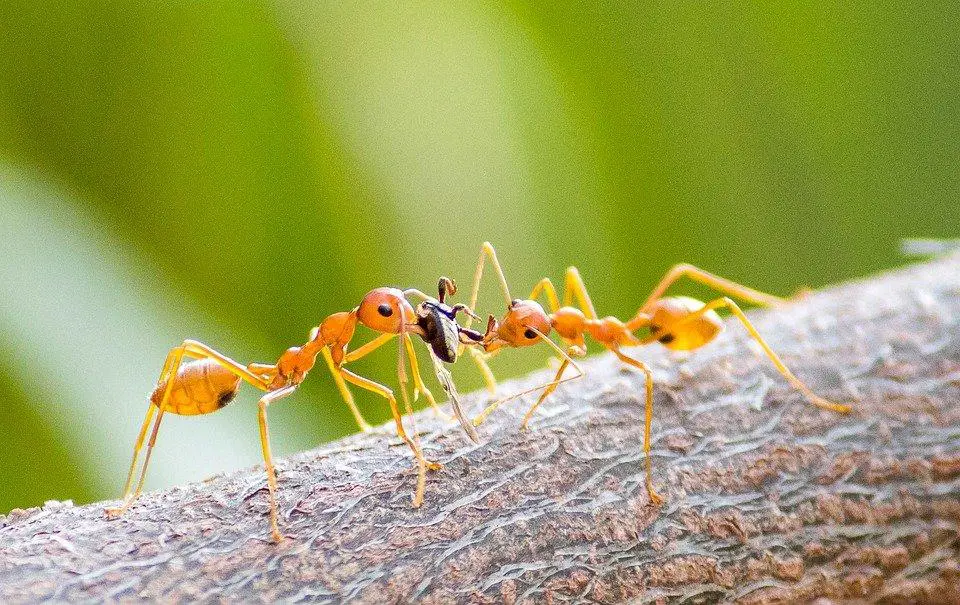
So, how do you get started with effective ant control? First, identify the type of ant you're dealing with. Then, locate their entry points and nesting areas. Clean up food crumbs and spills to remove their food source. Instead of reaching for the wasp spray, try these simple tips: create a vinegar and water solution (50/50) and spray around entry points. Use diatomaceous earth (food grade!) around ant trails and nests. Place ant baits strategically to allow the ants to carry the poison back to the colony. These methods are generally safer and more effective in the long run.
In conclusion, while wasp and hornet spray might kill individual ants, it's not a practical or recommended solution for ant control. It's often an overkill, potentially dangerous, and doesn't address the root of the problem. Embracing safer, more targeted methods will not only be more effective but also give you the satisfaction of outsmarting those tiny invaders in a responsible and enjoyable way.