
Will Thermostat Work Without Batteries
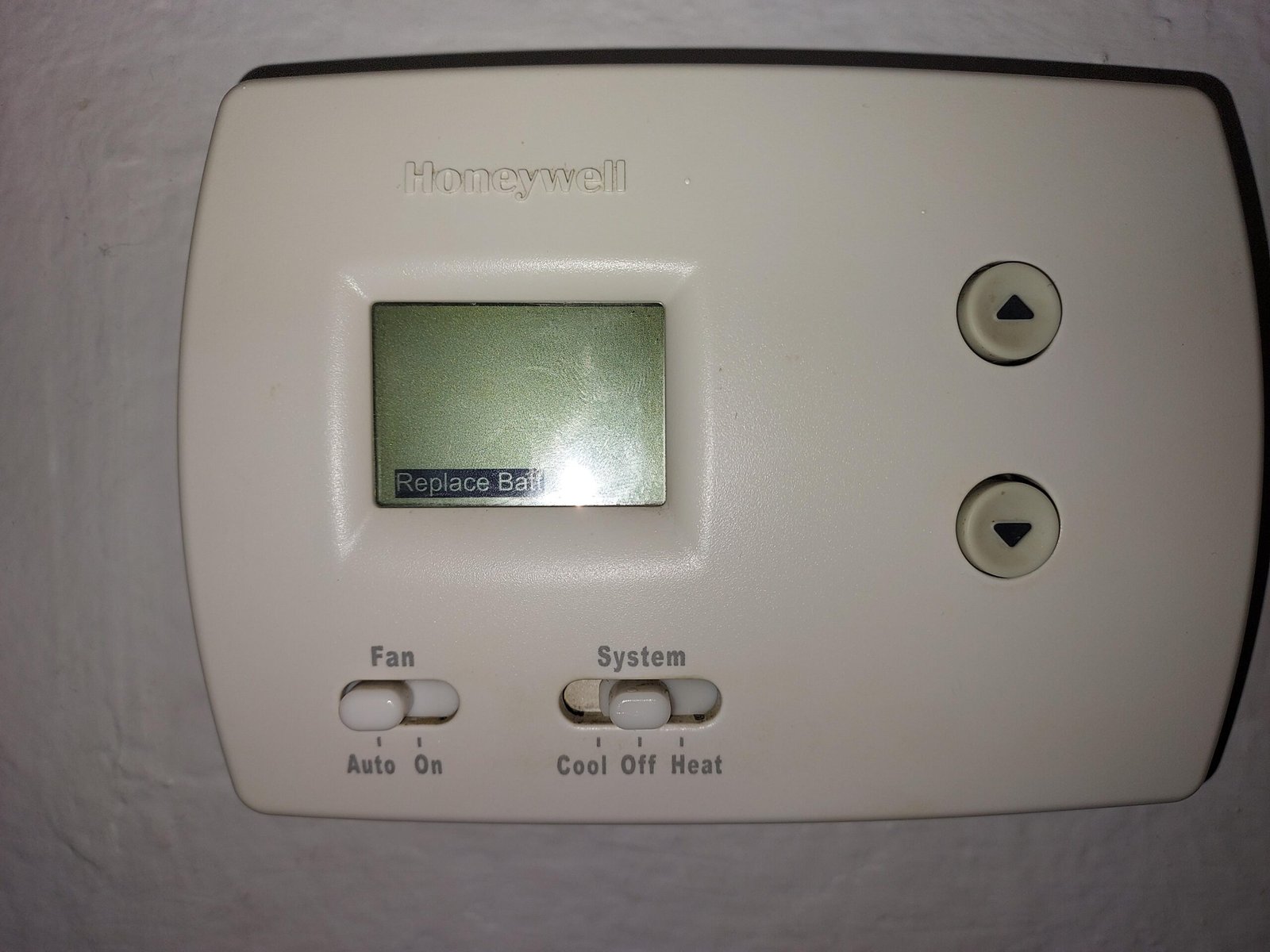
Alright, let's talk thermostats. You know, that little box on your wall that holds the sacred power over your home's comfort? It's usually just there, humming along, doing its job, until one day... silence. The screen is blank. Your house is suddenly a mini-fridge in winter or a sauna in summer. Panic, right? And the first thought that usually zaps into your brain is: "Oh no! The batteries!"
But here's a fun little secret, a delightful twist in the tale of home mechanics: does your thermostat even need batteries to begin with? The answer, my friends, is a resounding and wonderfully nuanced: it depends!
The Old-School Charms: No Batteries? No Problem!
Let's take a little trip back in time, shall we? To the days before touchscreens and Wi-Fi connections were even a twinkle in a tech wizard's eye. Many older, simpler thermostats are truly a marvel of mechanical engineering. Think of them like the trusty, old flip phone of the HVAC world – they just work.
Must Read
These beauties often draw all the power they need directly from your heating or cooling system (the furnace or air conditioner, typically through a low-voltage transformer). They're basically just a switch, telling your system, "Hey, it's getting chilly in here, time to fire up!" or "Whoa, getting toasty, let's cool it down!"
You might recognize them: they often have a simple slider or a dial, maybe even a tiny glass tube with mercury (don't worry, modern ones don't use mercury!). For these humble heroes, a blank screen isn't a battery issue; it's more likely a power hiccup from your main HVAC unit, perhaps a tripped breaker, or something a bit more involved. The point is, with these guys, you can often breathe a sigh of relief on the battery front. No batteries? No problem! That's one less thing to worry about, isn't it?
The Modern Marvels: Batteries (Mostly) Make the World Go 'Round
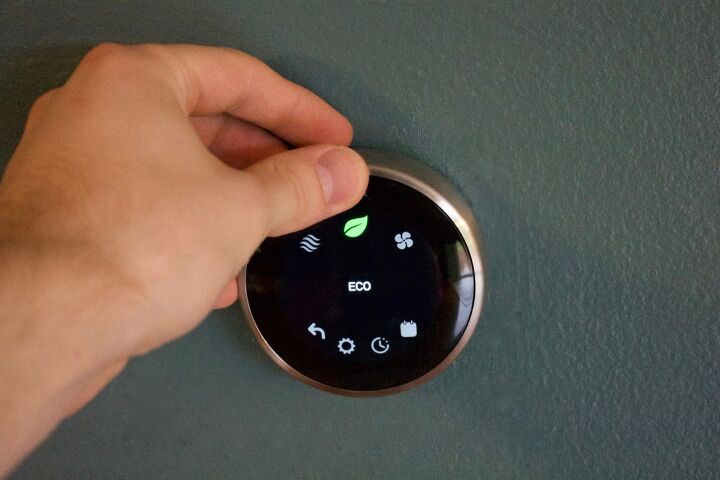
Now, let's zoom back to the present. If your thermostat boasts a sleek digital display, programmable schedules, Wi-Fi connectivity, or even talks to your smart home assistant, chances are it's a bit more demanding when it comes to juice. And yes, my friend, these sophisticated gadgets usually do rely on batteries to keep their internal clocks ticking, their screens glowing, and their smart features humming along.
Most digital thermostats use common AA or AAA batteries, tucked away in a compartment. These batteries primarily power the screen display, the internal memory for your programmed settings, and any fancy features that aren't directly linked to the main HVAC power supply. So, if your fancy digital thermostat goes dark, the first, easiest, and often most successful troubleshooting step is to check those batteries! It's amazing how often this simple fix saves the day (and a costly service call).

The C-Wire Conundrum: A Glimmer of Battery-Free Hope for Digital
But wait, there's another fascinating layer to this battery mystery, especially for newer digital thermostats! Many modern smart thermostats can also be powered by something called a C-wire (common wire). This special wire provides a constant, low-voltage power supply directly from your HVAC system. Think of it as a dedicated power umbilical cord.
If your digital thermostat has a C-wire connected, it might not need batteries for its basic operation at all! The C-wire keeps the display on, the Wi-Fi connected, and the internal systems running. In these cases, batteries might still be present, but they often act as a backup, or they power very specific functions that draw too much current for the C-wire to handle constantly. So, even with a C-wire, it's not always a guarantee of 100% battery independence, but it certainly lessens the reliance.
Learning about your C-wire can feel like discovering a secret superpower for your smart home setup. It means potentially fewer battery changes, more reliable operation, and a deeper understanding of how your home's central nervous system actually works!
Why This Little Detail Makes Life More Fun (Seriously!)
You might be thinking, "It's just a thermostat!" But understanding these little quirks of your home isn't just about fixing things; it's about empowerment. It's about pulling back the curtain on the technology that surrounds us and realizing that you don't need to be an engineer to grasp the basics.

When your thermostat suddenly goes silent, instead of immediately diving into a spiral of despair, you can now calmly ask yourself: "Is it an old-school mechanical friend, or a modern digital buddy? Does it have batteries? Could it have a C-wire?" You become a mini-detective, equipped with knowledge, ready to solve the mystery!
This kind of knowledge isn't just practical; it's genuinely inspiring. It sparks curiosity about how other things in your home work. It makes you feel a little bit more in control, a little bit more self-sufficient. And that, dear reader, is a fantastic feeling to carry into every aspect of your life.
So, go on! Take a moment to peek at your own thermostat. Is it a battery-powered pal, a C-wire champion, or a timeless mechanical marvel? Whatever it is, now you know a little more about its inner workings, and isn't that a wonderfully satisfying thought? Here's to understanding the world, one tiny, magical thermostat at a time!