
Will A Smoke Machine Set Off A Fire Alarm
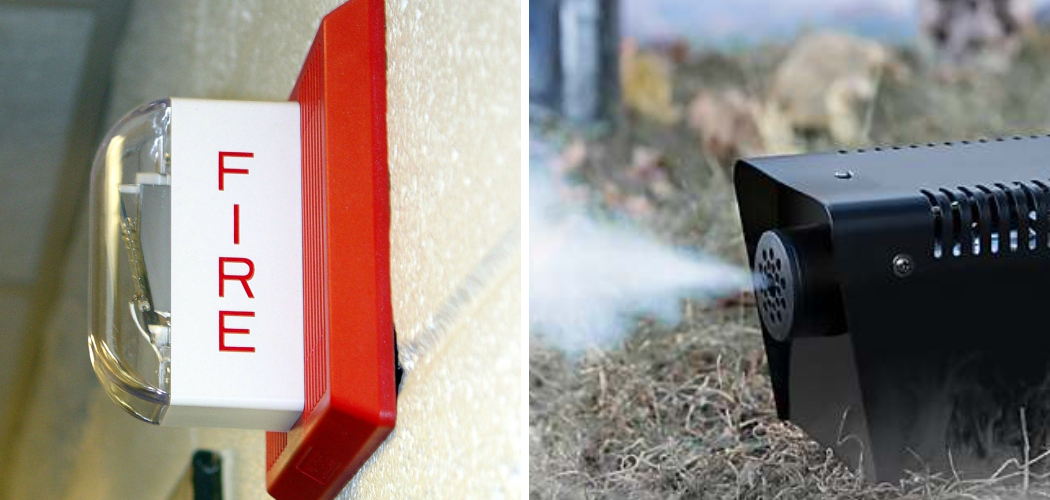
Picture this: you're meticulously planning the ultimate house party, a spooky Halloween spectacular, or maybe just setting the mood for an epic movie night with a cool, atmospheric haze. You've got the snacks, the playlist, the guest list, and oh, a shiny new smoke machine ready to transform your space into something truly magical. But then, a nagging thought creeps in, chilling you more than any ghoulish fog: "Will this thing set off the fire alarm?"
It's a question as old as fog machines themselves, and honestly, a pretty valid one. Nobody wants to be the host whose party is prematurely ended by blaring sirens and the bewildered faces of firefighters. So, let's dive into the misty depths of this dilemma and clear the air, shall we?
The Lowdown on Alarms: What Are They Sniffing Out?
Before we unleash the fog, it helps to understand what fire alarms are actually looking for. Not all alarms are created equal, and this distinction is key to understanding your smoke machine's fate.
Must Read
Most residential and commercial buildings primarily use two types of smoke detectors:
- Ionization Smoke Alarms: These little guardians detect smoke particles that disrupt an electric current. Think of them as super sensitive sniffers for tiny, invisible combustion particles.
- Photoelectric (Optical) Smoke Alarms: These work by sensing light. When smoke enters the chamber, it scatters a beam of light, triggering the alarm. They're particularly good at detecting larger, visible smoke particles.
Less common for everyday smoke detection, but still good to know about, are heat detectors. These only go off when the temperature in a room rises above a certain threshold. Fun fact: your average smoke machine isn't going to get hot enough to trigger one of these unless it's literally on fire!
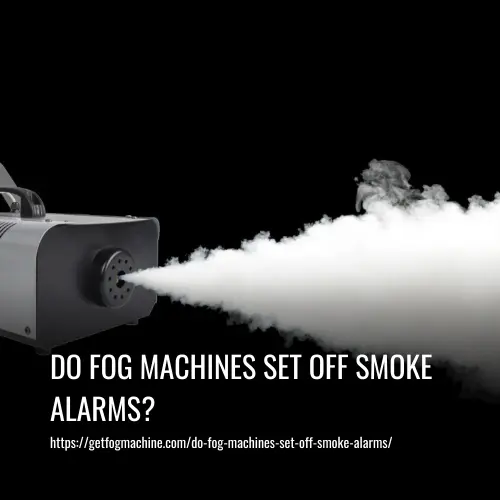
So, Will It Set Off the Alarm? The Short Answer Is...
Generally speaking, yes, it probably will. Especially if you have the more common photoelectric (optical) smoke alarms. Here's why:
Smoke machines (also known as foggers or hazers) don't produce actual "smoke" in the traditional sense of burning materials. Instead, they heat a special fluid (usually a glycol or water-based solution) until it vaporizes into a dense, misty aerosol that looks a lot like smoke. This "fog" consists of tiny, suspended particles. Guess what else consists of tiny, suspended particles that scatter light? You guessed it: smoke.

The particles from a fog machine are often large enough and dense enough to scatter the light beam inside a photoelectric smoke detector, convincing it that there's a real fire emergency. Ionization alarms might be less sensitive to fog fluid particles, but it's still a significant risk, especially with dense fog.
Factors That Tilt the Scales
It's not just a binary "yes" or "no." Several factors influence whether your atmospheric ambitions will lead to an alarm:
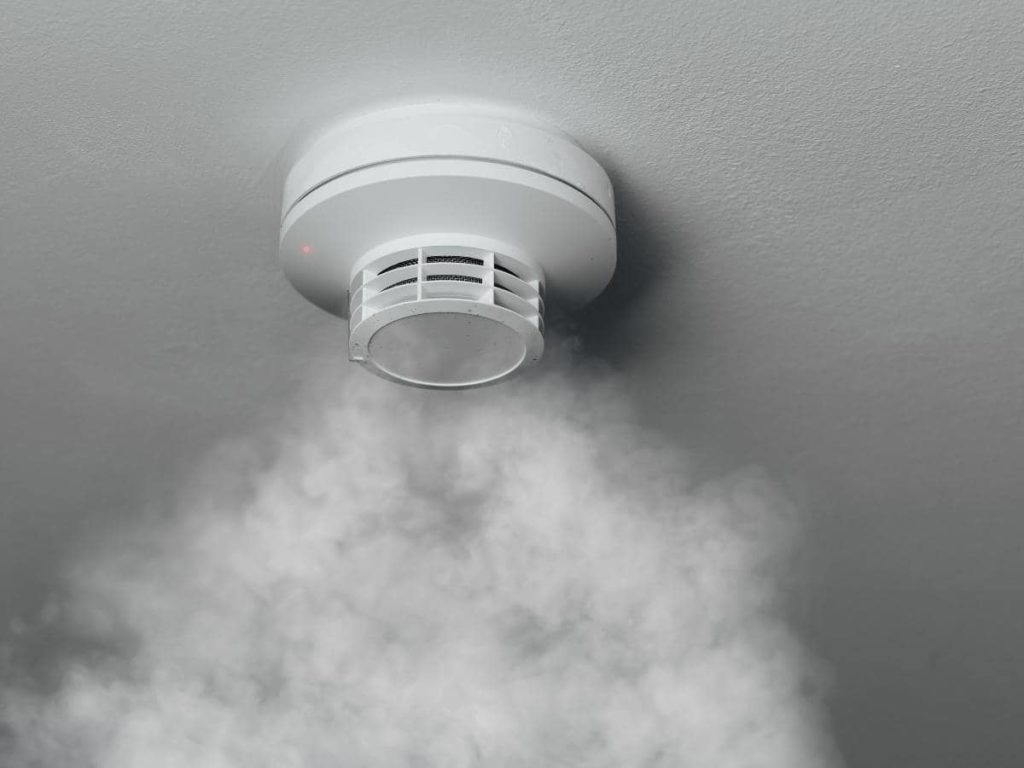
- Proximity: The closer your machine is to an alarm, the higher the chances. Common sense, right?
- Density of Fog: A light, airy haze is far less likely to trigger an alarm than a thick, club-style cloud bank. Less is often more for home use.
- Ventilation: This is your best friend. A well-ventilated room allows the fog to disperse quickly, reducing its concentration around detectors.
- Duration: Running the machine for a quick burst is safer than having it pump out fog continuously.
- Type of Fluid: Some fluids are designed to be "faster dissipating" or "low residue," which can help.
Practical Tips for a Smooth, Alarm-Free Experience
Nobody wants their epic DJ set or haunted house experience interrupted. Here are some pro tips:
- Know Your Alarms: If you're hosting at home, check your smoke detectors. Can you identify their type? If not, assume they are the sensitive photoelectric type.
- Distance is Key: Position your smoke machine as far away from smoke detectors as possible. Aim the output away from them.
- Ventilate Like a Pro: Open windows, use fans, or ensure good airflow. This isn't just for avoiding the alarm; it also prevents your room from feeling like a swamp.
- Test, But Be Prepared: If you absolutely must use a smoke machine, do a test run before your event. Have a fire extinguisher handy (just in case, safety first!), and be ready to air out the room or quickly disable the alarm if it goes off (only if it's safe and you know how to reset it promptly).
- Consider Alternatives: For a less risky vibe, try LED light effects, bubble machines, or even subtle scent diffusers to set the mood without the particulate risk.
- The "Covering" Conundrum: We often see this in movies or at concerts, but never cover a smoke alarm in a public building or without explicit permission from a facility manager. In your own home, if you must temporarily cover an alarm, use a shower cap or plastic bag tightly sealed, and immediately remove it the moment the fog machine is off and the air is clear. This is a major safety risk, so proceed with extreme caution and only if you fully understand the implications. Better yet, just don't do it!
- Communicate: If you're in an apartment building or a venue, always, always inform management or building staff beforehand. They might have specific procedures or "panic buttons" to temporarily disable certain zones.
A Little Reflection on Life's Little Surprises
Life, much like a smoke machine, can throw unexpected curveballs. Sometimes, our best intentions create unforeseen consequences – a party trick turning into an emergency call, or a creative endeavor leading to a mild panic. What we learn from situations like these isn't just about avoiding false alarms, but about preparation, awareness, and thinking ahead. It's about enjoying the moment responsibly, understanding the tools we use, and remembering that safety always comes first. So go ahead, create your magic, but do it smart!
