Will A Fog Machine Set Off Fire Alarms
Alright, let’s get down to brass tacks, or should I say, fog tacks? You’re planning an epic Halloween party, a killer concert, or maybe just want to set the mood for a super spooky movie night. Naturally, your mind drifts to the magical, mysterious allure of a fog machine. But then, a chilling thought cuts through the haze: “Will this awesome mist machine summon the fire department to my doorstep?”
It’s a tale as old as time, or at least as old as the invention of the modern smoke detector. And trust me, you’re not alone in pondering this very valid, very anxiety-inducing question. Let’s unravel this mystery together, shall we, with a side of laughs and zero actual fire alarms going off (hopefully!).
The Big Reveal: Can Fog Set Off Fire Alarms?
Okay, drumroll please… The short, often frustrating answer is: YES, ABSOLUTELY, IT CAN!
Must Read
I know, I know, not the simple "no" you were probably hoping for. But hold your horses, or your fog fluid, because understanding why is the key to avoiding a surprise visit from the local heroes in red.
How Do These Pesky Alarms Work, Anyway?
Think of fire alarms as super vigilant sentinels, always on the lookout for trouble. Most commonly, you’ll encounter two main types:

- Smoke Detectors: These are the sensitive Sallys of the alarm world. They’re designed to detect tiny particles in the air.
- Heat Detectors: These are the chill guys. They only freak out if the temperature in the room gets uncomfortably hot.
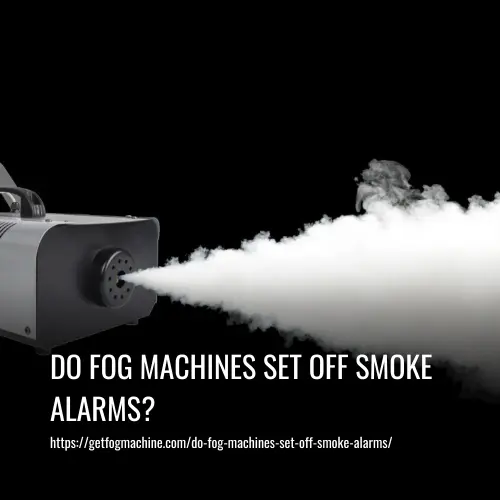
Now, here’s the kicker: your average fog machine isn't actually creating "smoke." Nope! It's usually heating up a special fluid (often a mix of glycol and water, sometimes glycerin) until it vaporizes. When this vapor hits the cooler air, it condenses into a bazillion tiny, visible droplets. Voila! Instant fog. It’s essentially a very dense, often theatrical, cloud.
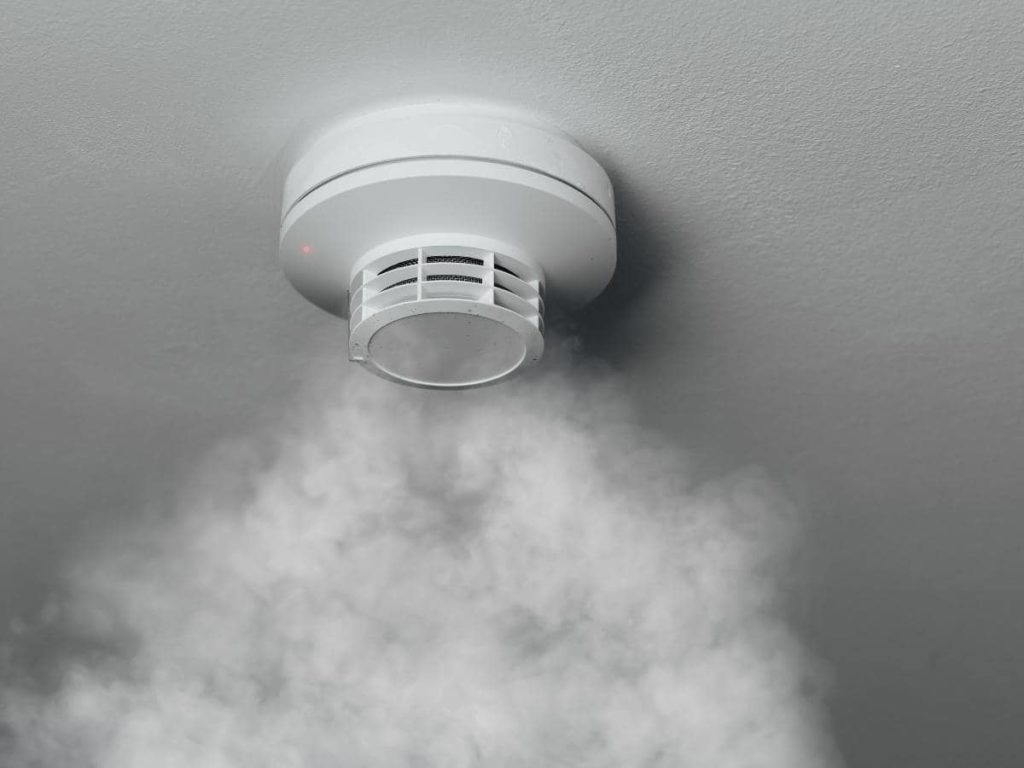
And those tiny droplets? They look an awful lot like smoke particles to a smoke detector. Oops!
The Different Kinds of Smoke Detectors (and Their Fog-Triggering Potential)
Not all smoke detectors are created equal, which means some are more likely to ruin your vibe than others:

- Ionization Smoke Detectors: These are the most common and unfortunately, the most sensitive to fog. They work by creating a small electrical current between two plates. When smoke (or fog) particles disrupt that current, BEEP BEEP BEEP! Instant party pooper.
- Photoelectric Smoke Detectors: These guys use a beam of light. When smoke (or fog) enters the chamber and scatters the light, the alarm sounds. They're also very susceptible to fog, perhaps slightly less so than ionization for some types of fog, but don't count on it saving you.
- Beam Detectors: Imagine a laser beam shooting across a large room. If something (like dense fog) breaks that beam, the alarm goes off. Common in big venues, and yes, fog can absolutely set these off.
- Aspirating Smoke Detectors: These are the super-sleuths, constantly sucking air into a central detector. They are extremely sensitive and can detect even the faintest wisps. If you see one of these, step away from the fog machine, slowly.
Heat detectors, on the other hand, usually remain blissfully unaware of your atmospheric wizardry. They couldn’t care less about particles; they’re all about the Fahrenheit. So, if you only have heat detectors, you might be in the clear. But who only has heat detectors these days, right?
Real-Life Oopsie Moments
Picture this: It’s the big school play, a dramatic scene unfolding, the stage enveloped in a mystical mist… and suddenly, the fire alarm blares, sending the entire audience (and cast!) evacuating into the cold night. Or that epic dance party where the DJ thought a little extra mood was just what the doctor ordered, only to have the entire building cleared out by confused firefighters. Yeah, these stories are common. And they’re not just urban legends!

How to Avoid Becoming an Accidental Alarm-Raiser
Fear not, fellow fog enthusiast! There are ways to navigate this misty minefield:
- Check with the Venue/Fire Marshal: This is step number one, folks! If you’re not in your own home, always ask permission. They might have specific guidelines, or even be able to temporarily disable certain alarms (with proper safety protocols, of course!).
- Know Your Detectors: If you’re at home, try to figure out what kind of alarms you have. But honestly, assume they’re all sensitive. Better safe than sorry, and better not to have the fire department crash your party.
- Ventilation is Your Friend: Open windows, turn on fans! The quicker the fog dissipates, the less chance it has to accumulate and trigger an alarm.
- Aim Carefully: Don't point the fog machine directly at any ceiling-mounted alarms. Seems obvious, but panic can make us do silly things.
- Use with Moderation: A little fog goes a long way. Don't try to turn your living room into a permanent cloud chamber.
- Consider a Hazer: Hazers produce much finer, less dense particles that linger longer and are less likely to trigger alarms, but still can! They’re often preferred for professional stage effects for this very reason.
- Test (Carefully!): If you absolutely must know, do a small, controlled test during daylight hours when you have plenty of time to react, and ensure you have permission to test first if not in your own home. Have a plan if it does go off.
The Takeaway: Proceed with Caution and a Smile
So, there you have it. While fog machines are incredibly cool and add undeniable flair to any event, they are indeed fire alarm magnets. But with a little planning, a dose of common sense, and perhaps a quick chat with the powers that be, you can totally have your cake (or your fog) and eat it too!
May your parties be epic, your moods be set perfectly, and your fire alarms remain blissfully silent, unless there's an actual emergency, of course! Go forth and create some unforgettable, perfectly misty memories!