
Will A Flooded Engine Fix Itself

Okay, picture this: You're running late, scrambling to get to that crucial appointment (or, let's be honest, binge-watching your favorite show). You hop in your car, turn the key… and nothing. Just a pathetic "whirr-whirr-whirr" that screams, "I'm flooded!" It's the automotive equivalent of trying to start a conversation with someone who’s got cotton balls stuffed in their ears. Annoying, right?
So, the million-dollar question: will this mechanical hiccup just… fix itself? Will your car magically decide to cooperate while you're pacing and muttering about the injustice of it all? Let’s dive in.
What Exactly is a Flooded Engine? (And Why is it Such a Drama Queen?)
Imagine your engine is like a tiny, meticulously organized kitchen. Fuel and air waltz in, get perfectly mixed, ignite with a spark of brilliance, and voila! Your car purrs like a contented kitten. Now, a flooded engine is like someone dumped a whole bucket of gasoline into that kitchen, drowning everything in a sticky, smelly mess. There's simply too much fuel and not enough air for that spark to do its thing.
Must Read
Basically, the engine’s saying, "Whoa there, buddy! Too much fuel! I can't handle it!" It’s the automotive version of being over-watered after a night out – sluggish, unresponsive, and deeply regretting its choices.
The "Wait and See" Approach: Will It Magically Get Better?
Sometimes, just sometimes, a flooded engine will sort itself out. It’s like that hangover that fades after a nap (if only, right?). The excess fuel might eventually evaporate, allowing the engine to breathe again. This is especially true if you only slightly flooded it. Think of it as a minor spill versus a full-blown gasoline tsunami.
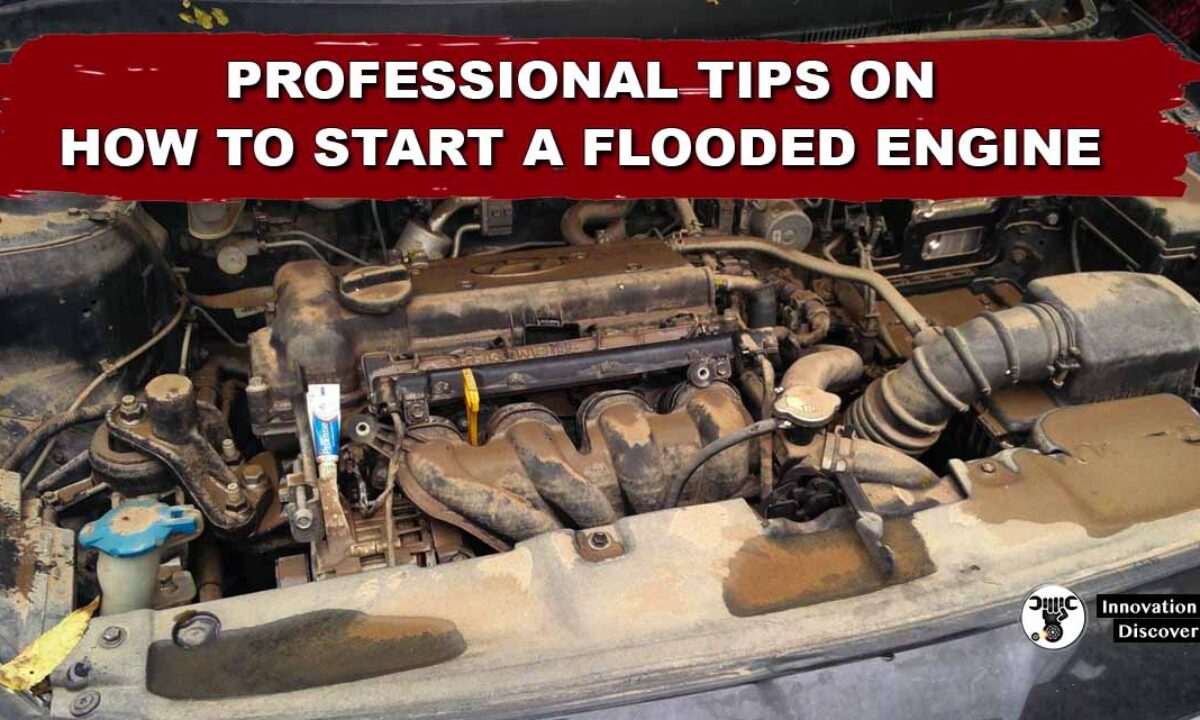
Here's what you can try: Leave the car alone for at least 15-30 minutes. Let the excess fuel dissipate. Resist the urge to keep cranking the engine! That’s like trying to force-feed someone who's already choking. It’ll just make things worse.
After the waiting period, try starting the car again. But do it gently. Don't floor the accelerator; just give it a smooth, steady turn of the key. Cross your fingers, maybe offer a silent prayer to the car gods, and hope for the best.

When "Waiting" Isn't Enough: Time for Some Intervention
Alright, if you’ve waited patiently, chanted your car-starting mantra, and still… nothing. It's time to get a little more proactive. This isn't a "walk it off" situation anymore.
Here are a couple of slightly-more-involved things you can try (if you're feeling brave and have a smidge of mechanical know-how):

- The Accelerator Pedal Trick: Press the accelerator pedal all the way to the floor while cranking the engine. This can help introduce more air into the cylinders and clear out the excess fuel. It's like giving your engine a giant, metaphorical lungful of fresh air.
- Check the Spark Plugs: This is a bit more involved. If you’re comfortable with it, you can remove the spark plugs, dry them off, and clean them. Fuel-soaked spark plugs are about as effective as wet matches.
Important disclaimer: If you're not comfortable fiddling with your car's innards, don't! You could end up doing more harm than good. Call a mechanic. They're the car whisperers, and they'll know what to do.
The Bottom Line: Patience is a Virtue (But a Mechanic Might Be More Useful)
Will a flooded engine fix itself? Sometimes, yes. But often, no. It's a gamble. Think of it like trying to win back that angry cat that’s run away. Sometimes it saunters back, tail in the air. Other times, you need tuna and a whole lot of coaxing (or a mechanic, in this case).
If you've tried the simple solutions and your car is still stubbornly refusing to start, don't despair! Calling a professional is often the best (and safest) option. They have the tools, the knowledge, and the patience to get your engine back in working order. And hey, at least you'll have a good story to tell about the time your car decided to have a gasoline-fueled meltdown.
