
Will A Carbon Monoxide Detector Propane
Alright, so picture this: You're happily grilling on your patio, the smell of sizzling burgers (or delicious veggies, you do you!) is in the air, and suddenly… you catch a whiff of something else. Something a little off. Maybe it's not quite the charcoal smell, and it’s definitely not the perfume of perfectly grilled onions. Your mind races. Is that… gas? You glance nervously at your trusty carbon monoxide detector inside, perhaps strategically placed near the kitchen. You think, "Well, it detects dangerous gases, right? So if there's a propane leak, it'll tell me!"
And if you've ever had that fleeting thought, my friend, you are absolutely not alone. It's a common, completely understandable assumption. We want our safety devices to be superheroes, capable of handling all the invisible dangers lurking in our homes. Wouldn't that be convenient? One detector to rule them all! But, alas, as with many things in life, the reality is a tad more specific. So, let's dive into the nitty-gritty: will your carbon monoxide (CO) detector actually scream bloody murder if there's a propane leak?
Understanding Carbon Monoxide (CO) Detectors
First, a quick refresher on our CO hero. Carbon monoxide detectors are designed with one incredibly important job: to detect carbon monoxide. Simple, right? This silent killer is often called the "invisible killer" for a reason. It's an odorless, colorless, tasteless gas produced when fuels like gasoline, wood, propane, charcoal, or natural gas don't burn completely. Think faulty furnaces, clogged chimneys, or running a car in an enclosed garage (please don't!).
Must Read
These devices use very specialized sensors, usually electrochemical ones, that react specifically to the CO molecule (that's one carbon atom, one oxygen atom, for the science buffs out there). When CO concentrations in the air reach a certain level, your detector lets out that piercing, unmistakable shriek. And trust me, when it goes off, you want to pay attention. It’s a lifesaver.
Enter Propane: A Different Beast Entirely
Now, let's talk about propane. Propane, also known as liquefied petroleum gas (LPG), is a completely different chemical compound (C3H8 – three carbon, eight hydrogen atoms, if you're keeping score). It's a heavier-than-air fuel gas used for all sorts of things: your BBQ grill, portable heaters, camping stoves, some fireplaces, and even powering RVs. Unlike CO, pure propane is also odorless. But here's where things get interesting (and safer!): manufacturers deliberately add a chemical called ethyl mercaptan to it, giving it that distinct, rotten-egg or skunk-like smell. That way, if there's a leak, you'll actually notice it!

Propane leaks are dangerous for different reasons than CO. While CO is toxic, propane is primarily dangerous because it's highly flammable and explosive. A spark near a significant propane leak can lead to a fire or explosion. It can also displace oxygen, especially in enclosed spaces, which can lead to suffocation, though this usually requires a very large leak.
The Big Reveal: Can a CO Detector Sense Propane?
Drumroll please… and the answer is a resounding, emphatic NO. A standard carbon monoxide detector will NOT detect propane.
I know, I know, it would be super convenient if it did. But remember those specialized sensors we talked about? They are tuned specifically for the carbon monoxide molecule. Propane is a different molecule altogether, with different properties. It's like asking a smoke detector to tell you if your oven is preheated – they're both about heat and potential danger, but they're designed for completely distinct threats.

Think of it this way: your car keys won't unlock your house, even though they're both keys. Different locks, different keys. Same principle with gas detection. Different gases, different sensors.
So, What Does Detect Propane?
If you're using propane in your home, RV, or anywhere else, you need a dedicated propane detector (also known as a combustible gas detector or an LPG detector). These devices are specifically engineered with sensors that react to propane (and often natural gas, which is methane, CH4). They typically sound an alarm when propane levels in the air reach a fraction of their lower explosive limit, giving you ample time to ventilate and address the leak before it becomes a hazard.

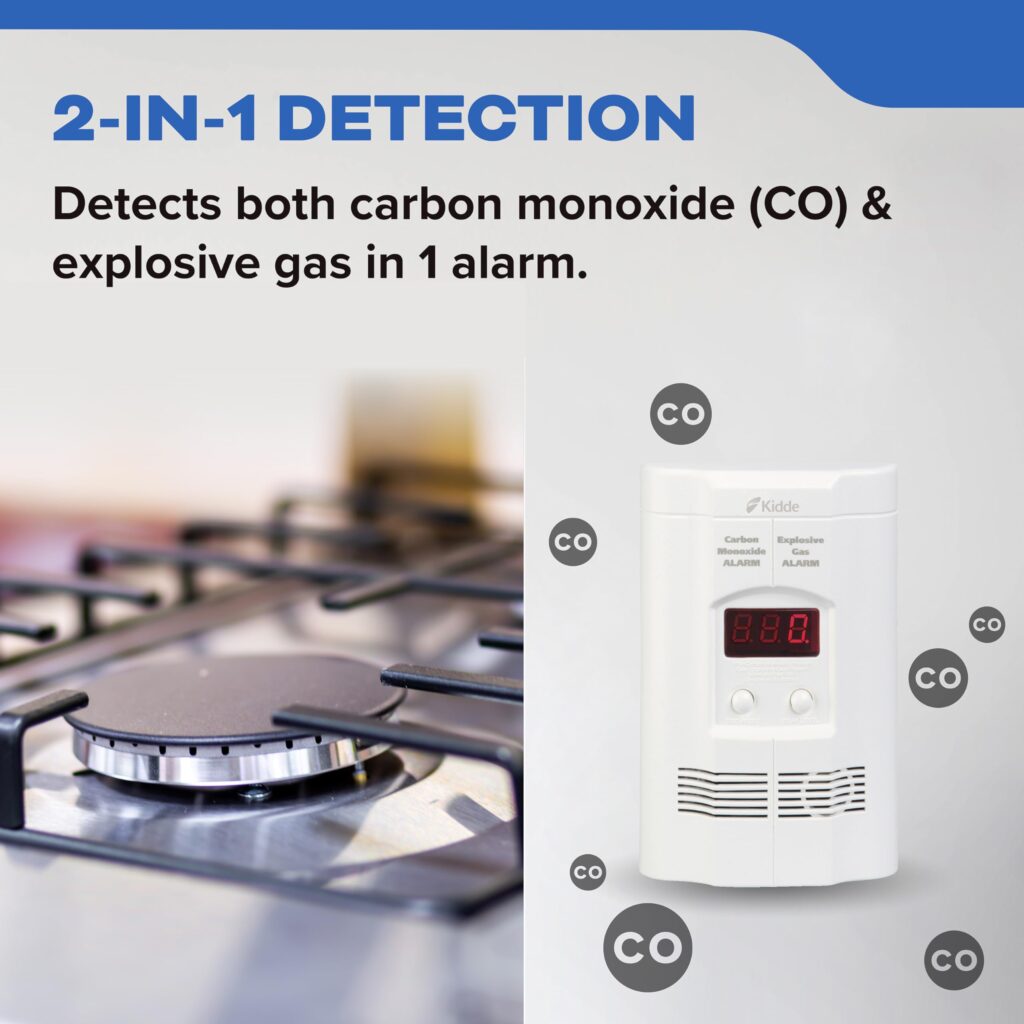
You can also find combination detectors on the market that detect multiple gases – for example, a CO and natural gas/propane detector in one unit. If you're looking for that multi-tasking superhero, make sure the packaging explicitly states it detects both CO and "combustible gases" or "propane/natural gas."
Safety First, Always!
The bottom line here, folks, is that when it comes to invisible dangers, you can't be too careful. Don't rely on one device to do a job it wasn't designed for. If you use propane, get a propane detector. If you have fuel-burning appliances, get a CO detector (and make sure it's working!).
It might seem like a hassle to have multiple detectors, but trust me, the peace of mind – and the actual safety they provide – is priceless. So, check your detectors, know what they do, and keep your home (and yourself!) safe from all those sneaky, invisible threats. Stay curious, stay safe!
