
Why My Alarm Sound Is Low
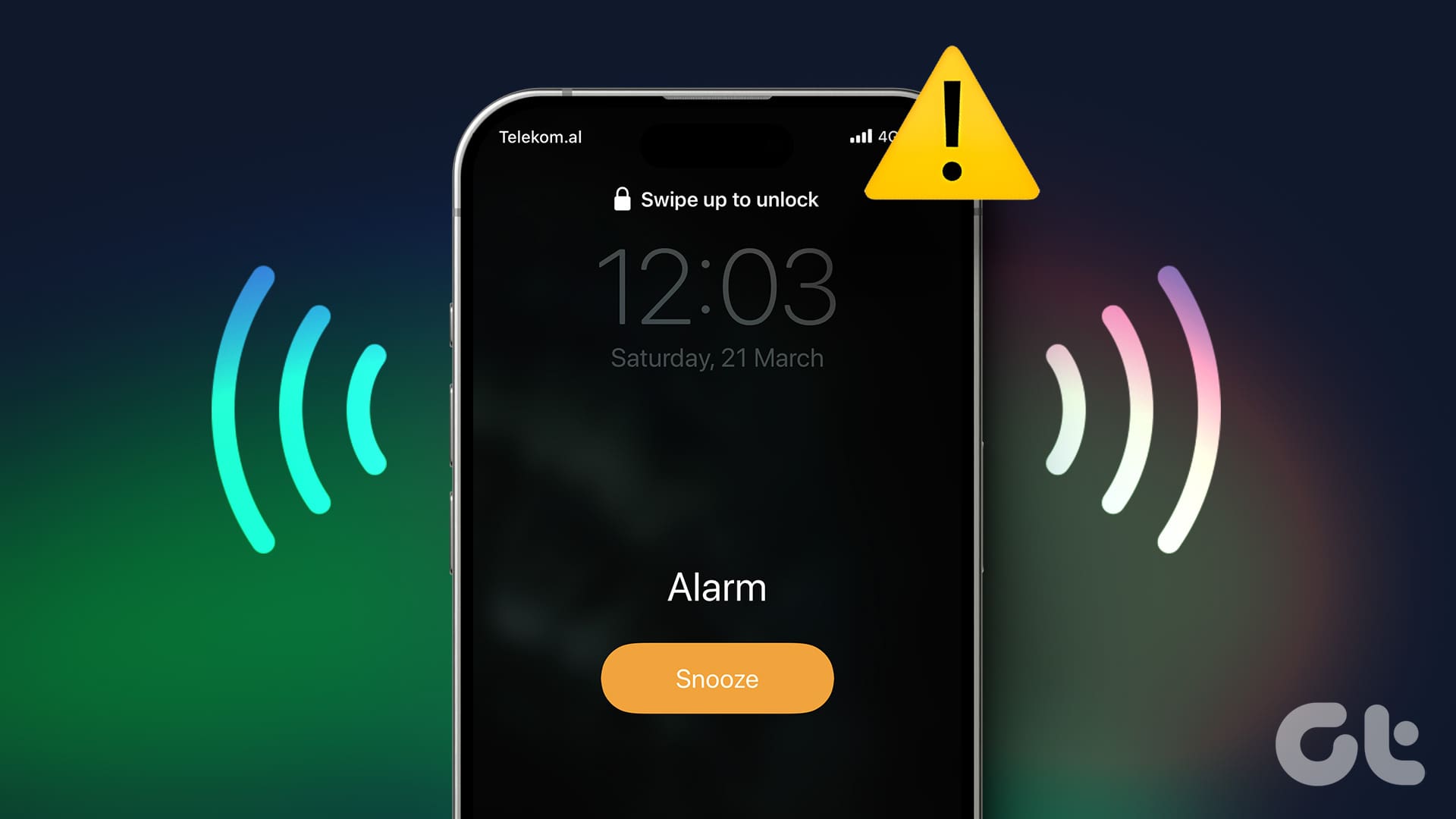
Ever hit snooze, then hear your alarm again a few minutes later, only to think, "Wait, was it always this quiet?" Or maybe your morning wake-up call just seems... a bit meek sometimes? Like it's politely tapping you on the shoulder instead of shouting, "RISE AND SHINE!"
If you've ever felt this way, you're not alone. It's a curious little puzzle, isn't it? We expect our alarms to be these loud, assertive beasts, ready to drag us from dreamland. But sometimes, they're more like a gentle whisper. What's the deal?
The Mystery Unveiled: It's Not (Always) Your Phone's Fault!
Here's a cool secret: that seemingly low alarm might actually be doing its job exactly as intended. Many modern devices and smart alarm apps are designed with something rather clever in mind: a gradual wake-up. Think of it like a dimmer switch for your brain. Instead of a sudden spotlight blinding you awake, it slowly brightens the room.
Must Read
This gentle approach isn't just about being polite; it's about being smart. Imagine waking up to a sudden, ear-splitting shriek every morning. Your body's immediate reaction is usually a jolt of stress, a rush of cortisol, and maybe even a dash of morning grumpiness. Not exactly the best way to start your day, right?
Riding the Sleep Waves: Why Timing Matters
Our sleep isn't one continuous, deep slumber. It's a fascinating journey through different stages, from light sleep to deep sleep, and then into REM sleep (where most of our vivid dreams happen). These stages cycle throughout the night. Waking up during deep sleep? Ugh. That's when you feel like a confused zombie, completely disoriented and groggy – what scientists call "sleep inertia."

But waking up during light sleep? That's the sweet spot! And guess what? Many alarms are trying to help you do just that. A low, gradual alarm might be designed to catch you when you're already in a lighter stage of sleep, gently coaxing you awake rather than yanking you out of a profound slumber. It's like gently tapping someone on the shoulder when they're dozing, instead of blasting an air horn when they're in a coma.
This means your alarm might start almost imperceptibly, just trying to detect if you're already stirring. If it senses you're in a lighter sleep phase, that subtle sound might be all it takes to bring you to consciousness, leaving you feeling more refreshed and less like you've been hit by a truck.
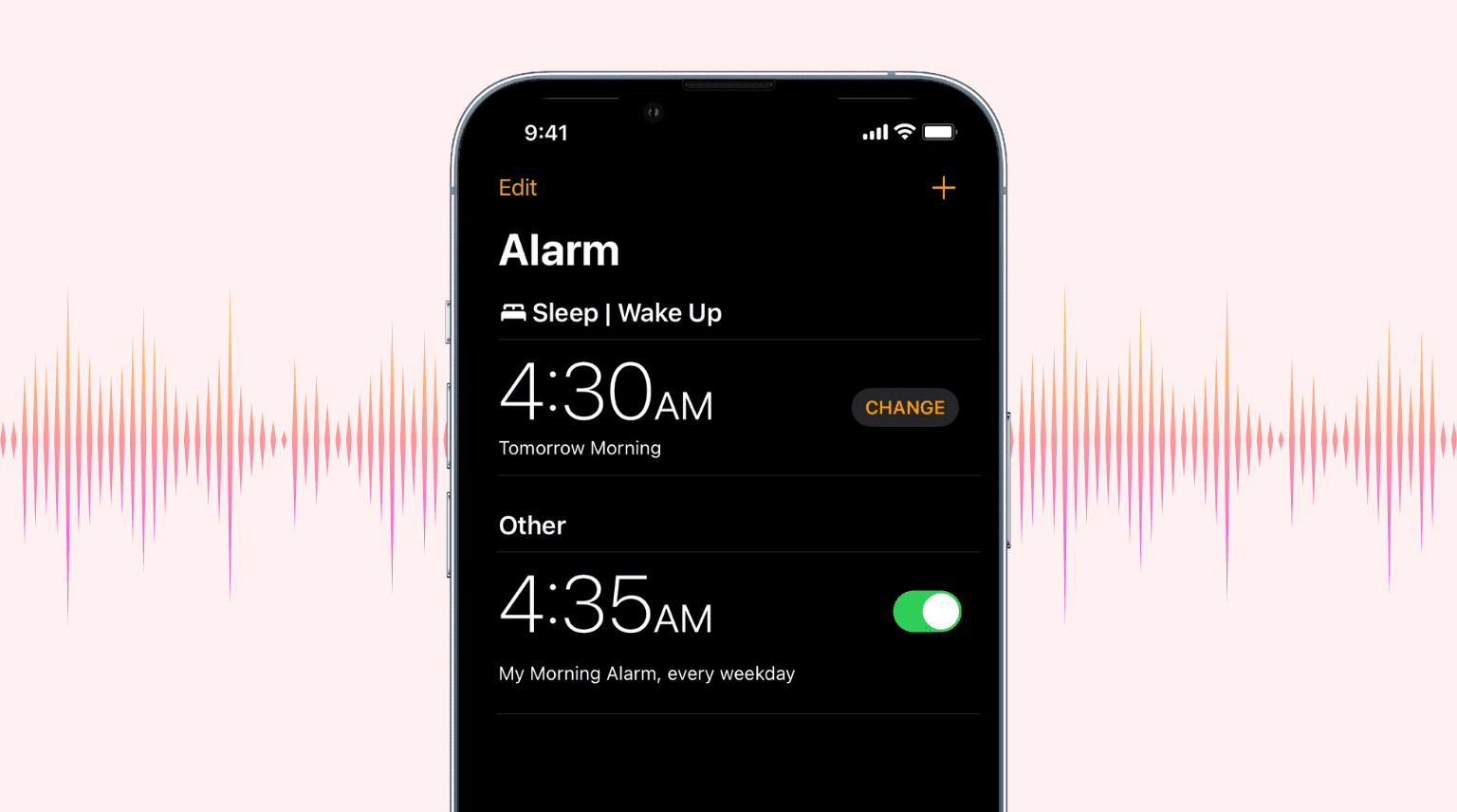
Your Body's Best Friend: The Gentle Wake-Up Call
So, the "low volume" isn't necessarily a bug; it could be a feature. It’s helping your body transition more smoothly from sleep to wakefulness. This smoother transition can have some pretty cool benefits:
- Less Stress: No sudden cortisol spikes mean a calmer start to your day.
- Better Mood: Waking up gently can put you in a more positive headspace from the get-go.
- Improved Cognition: Less sleep inertia means your brain might actually "boot up" faster and more effectively.
It's all about making that delicate leap from unconsciousness to full awareness as kind as possible to your system. Isn't that a thoughtful design choice?
Beyond the Defaults: Customizing Your Rise and Shine
Of course, sometimes your alarm really is just too quiet because of settings! Many phones and apps have options to control this:
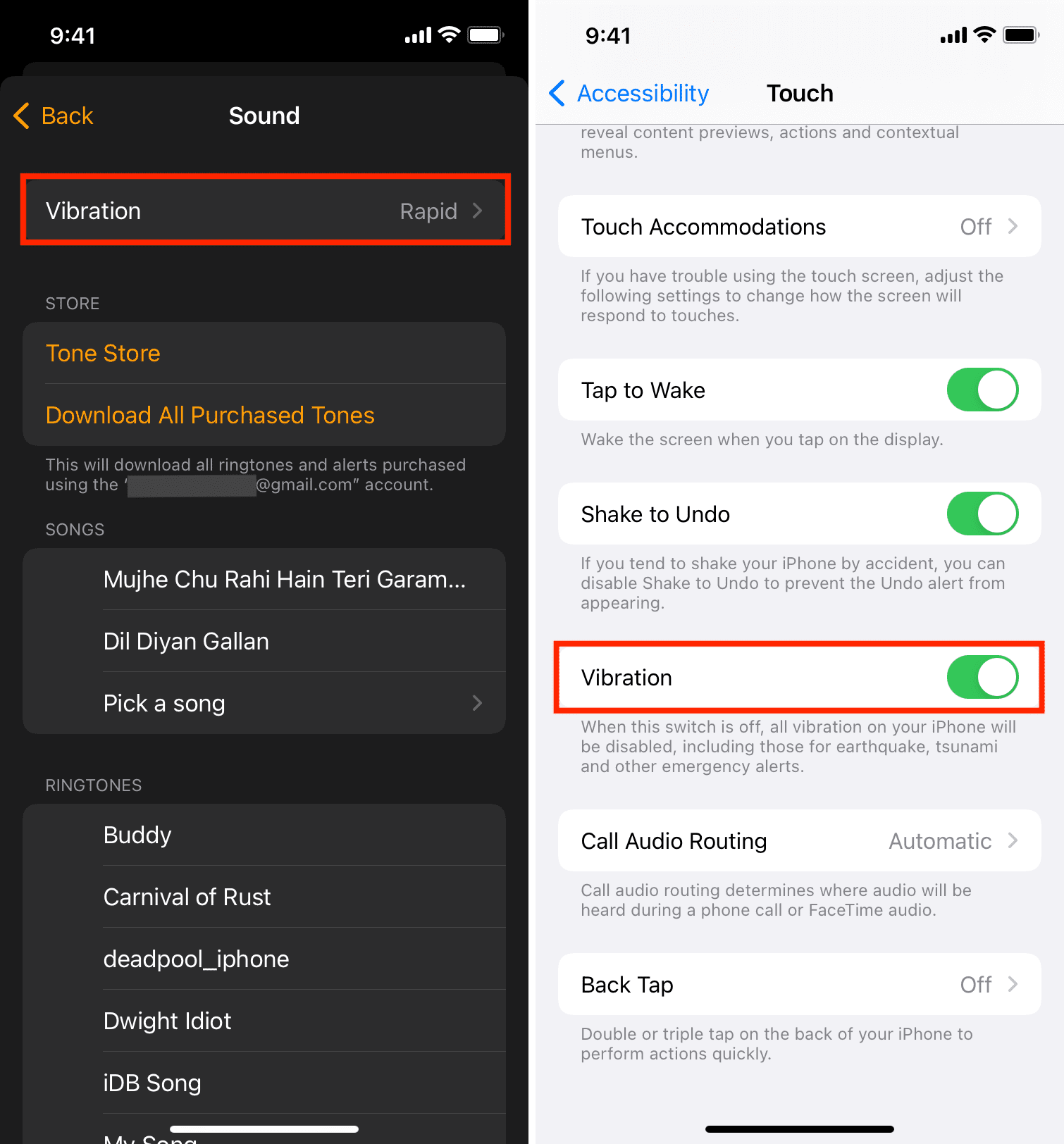
- Gradual Increase: Look for settings like "gradual alarm," "fade in," or "smart wake." These are often enabled by default.
- Volume Mixer: Check your device's general alarm volume settings, separate from media volume.
- Third-Party Apps: Some apps specifically focus on smart wake-up features, using accelerometers or heart rate monitors to detect your sleep stage.
It’s also worth considering that our bodies are incredibly adaptable. We can get used to a particular sound. If your alarm has been the same for years, your brain might have started to tune it out a bit. A gentle change, or letting the gradual increase do its thing, might actually be more effective than a constant blare.
The Unexpected Perks of a Quiet Start
Think about it: who wants to be startled awake every single morning? Not only is it unpleasant, but it can actually make you feel more tired. A low-volume, gradually increasing alarm acts like a personal sunrise simulator for your ears, even if you don't have a fancy light-up clock.
It's about respecting your sleep cycle and your well-being. This subtle, almost shy alarm sound is an invitation, not a command. It’s saying, "Hey, good morning! When you're ready, the day is here for you," rather than, "GET UP NOW OR ELSE!"
So, What's the Deal with Your Alarm?
Next time you find your alarm sounding a bit low, take a moment to be curious. Is it a deliberate design? Is it trying to be your gentle morning guide? Or perhaps it's time to dive into your phone's settings and see what fascinating options are lurking there.
Either way, the humble alarm clock has evolved into something far more sophisticated than a simple noise machine. It's a nuanced tool, often designed to make your transition from dreams to reality a little bit kinder, a little bit smarter, and a whole lot less jarring. And isn't that a cool thing to discover about something so routine?