Why Is Reproductive Isolation Required For Speciation To Occur
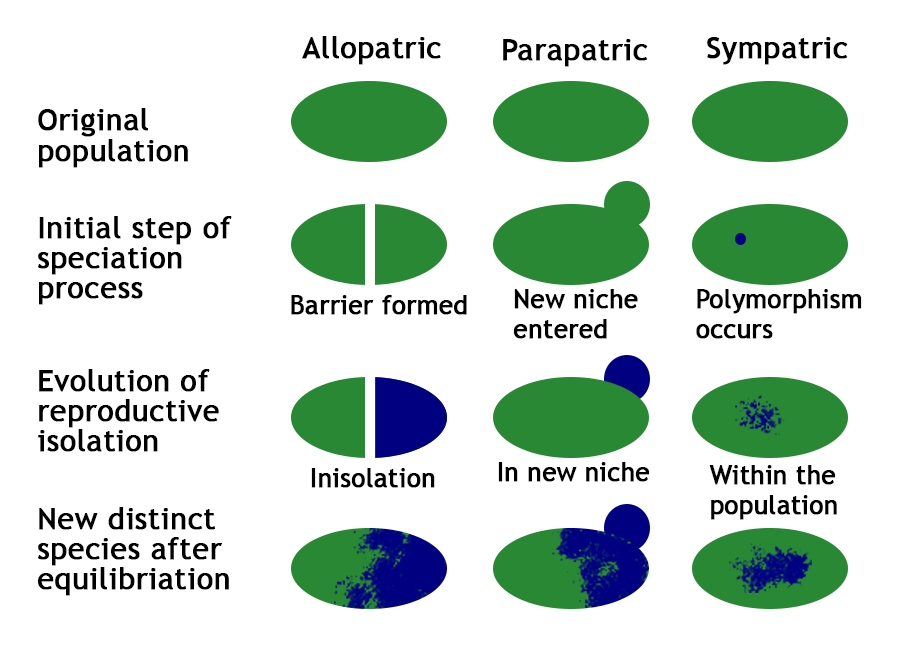
Okay, so we're talking speciation, right? Basically, how new species pop into existence. And guess what's absolutely crucial for that to happen? Reproductive isolation. Yup, you heard me.
Think of it like this: imagine trying to bake a cake (yum!) while everyone keeps adding random stuff – sprinkles, motor oil (ew!), maybe a rogue sock. Is that cake gonna be...well, cake? Nope! It'll be a weird, unidentifiable mess. Same with species! Without isolation, you just get a genetic… smoothie. Not exactly a new recipe, is it?
So, what is reproductive isolation, anyway? It's basically when two groups can no longer successfully interbreed and produce fertile offspring. Key word: fertile. Mules? Adorable, but sterile. Liger? Striking, but also sterile. Good examples of what happens without successful reproduction, huh?
Must Read
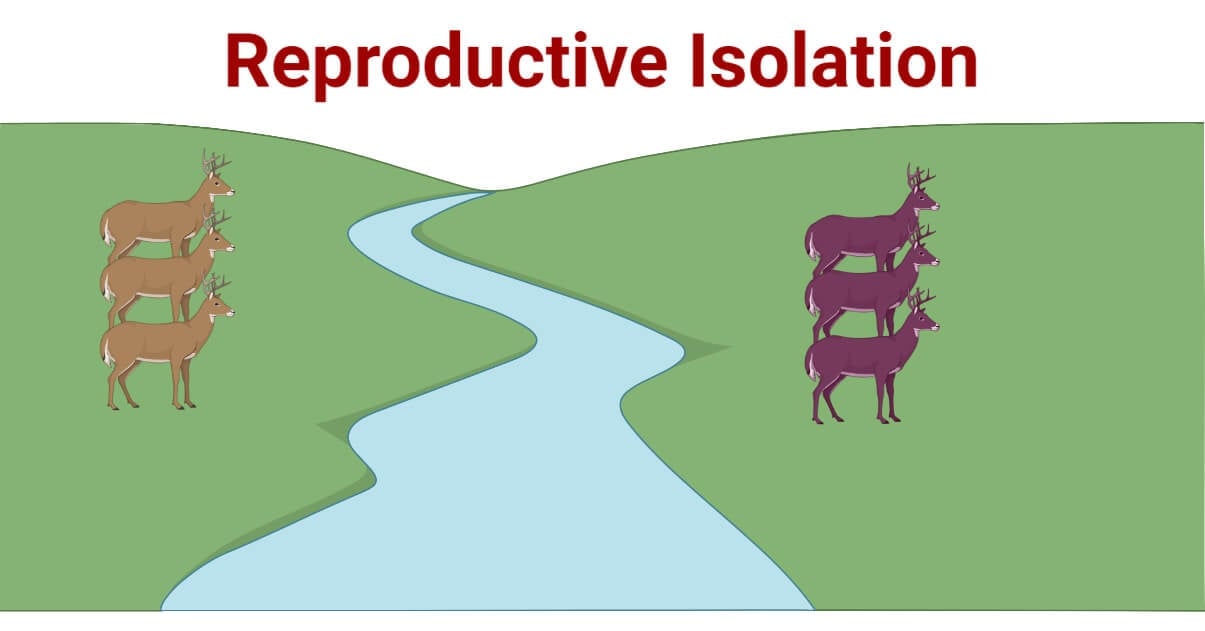
Why is this so important? Well, let's say you have a population of super cute bunnies. One day, a giant river (thanks, plate tectonics!) splits the bunny population in two. Now you’ve got bunny group A on one side and bunny group B on the other. These groups can no longer hop over to each other for a bunny-style party and some genetic mingling. Tragedy!
Over time, different mutations, driven by natural selection acting on slightly different environments, will accumulate in each group. Maybe bunny A becomes fluffier to deal with colder temperatures. Perhaps bunny B gets better at camouflage to avoid predators unique to their side of the river. Different selective pressures, different outcomes! (Mind. Blown.)
These changes, generation after generation, slowly diverge. I mean, slowly. We’re talking geological timescales here. Don't expect to see it happen over your lunch break.
Eventually, the differences become so great that even if the river dries up and the bunnies can reunite, they can't (or won't) interbreed. Maybe their mating rituals are totally different. Maybe their genes are incompatible. Who knows? The point is, they're reproductively isolated! Boom! You've got two distinct species where there used to be one.
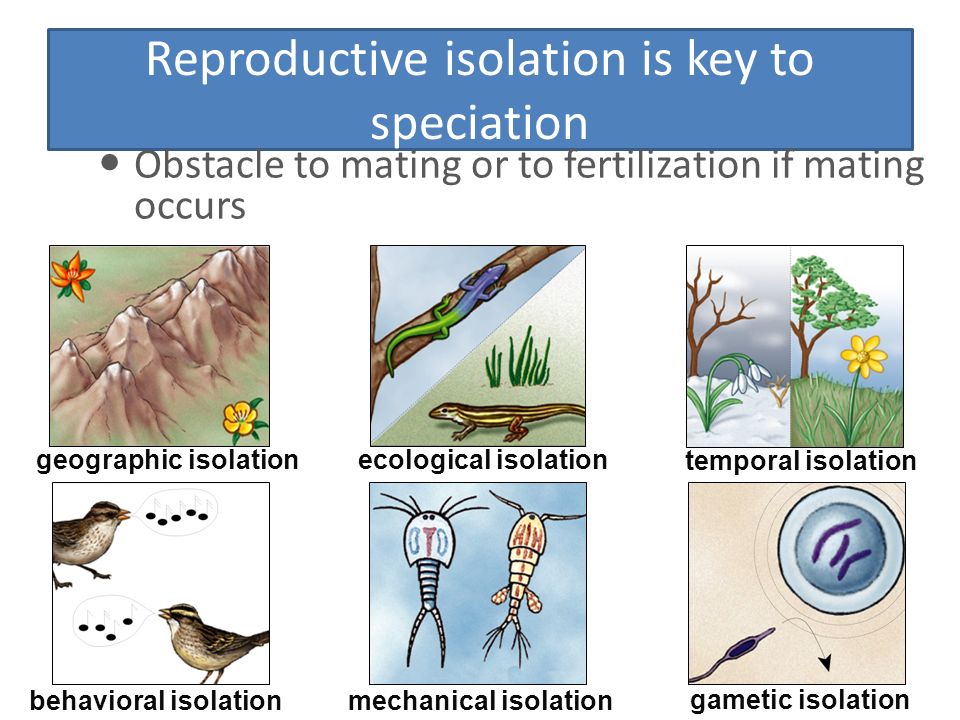
There are a bunch of different ways reproductive isolation can happen, which are often categorized as pre-zygotic or post-zygotic barriers. Pre-zygotic barriers prevent mating or fertilization from even occurring. Think of it as the "no entry" sign before anything serious happens.
Examples of pre-zygotic barriers? Habitat isolation (different environments, like the bunnies!), temporal isolation (breeding at different times of day or year - talk about bad timing!), behavioral isolation (different courtship rituals – awkward!), mechanical isolation (parts just don't fit...yikes!), and gametic isolation (eggs and sperm are incompatible – the ultimate rejection!).
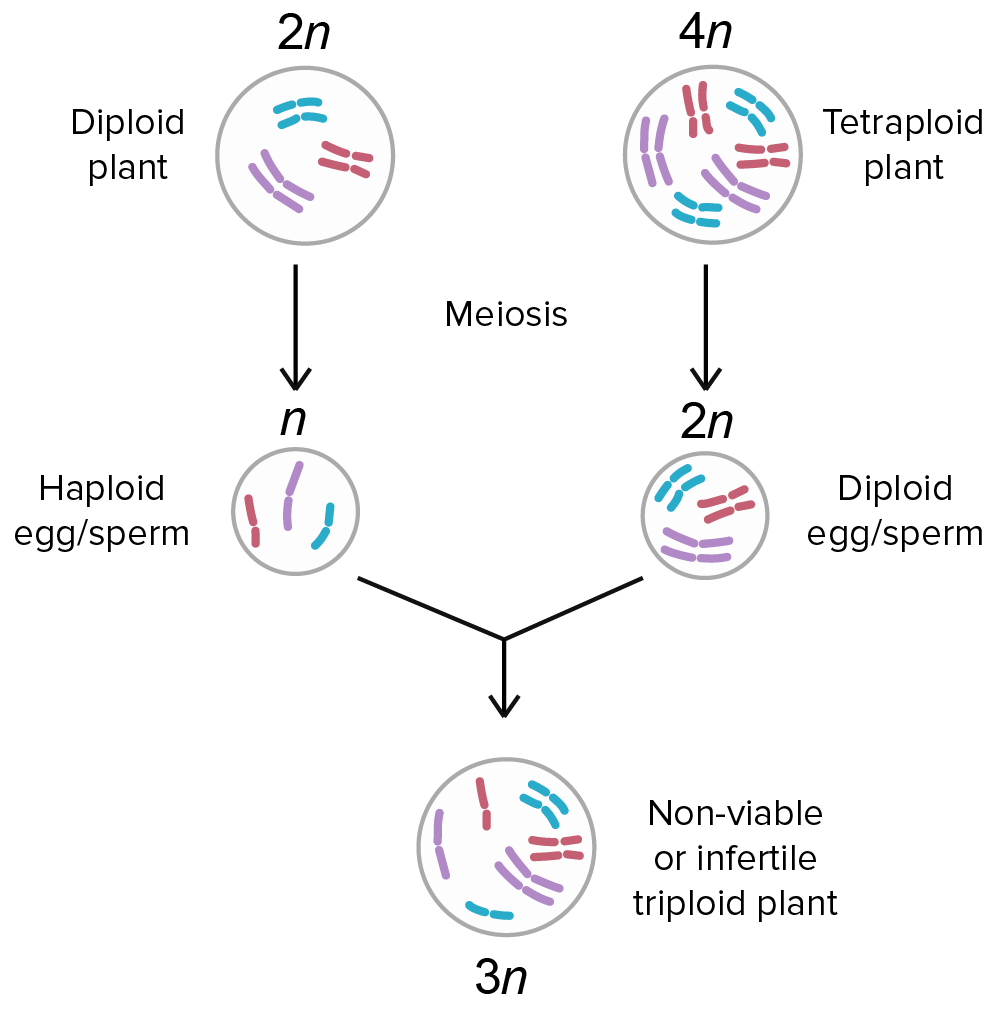
Post-zygotic barriers? These happen after a hybrid zygote (fertilized egg) is formed. The problem? The hybrid offspring isn't viable (it dies) or it's sterile (like our mule friend). That's because something goes wrong during development due to the mixed genetics.

So, to recap: no reproductive isolation, no speciation. It's like trying to build a house with no blueprint or construction crew. Just a bunch of random materials scattered about. You might get…something. But it probably won't be a functional house (or a new species).
Reproductive isolation gives those little genetic differences a chance to truly bloom and evolve into something brand new. It's the crucial ingredient in the recipe for life's incredible diversity. Pretty cool, huh?
Now, who's for cake?