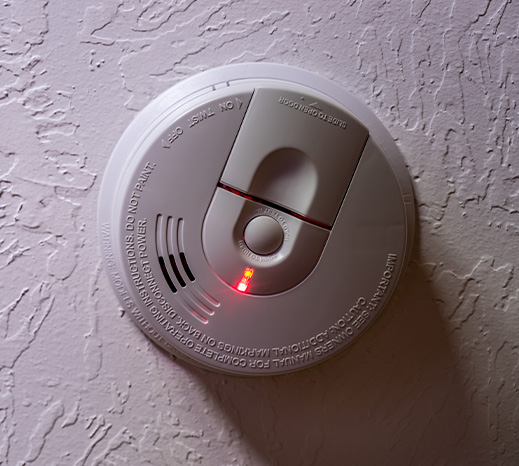
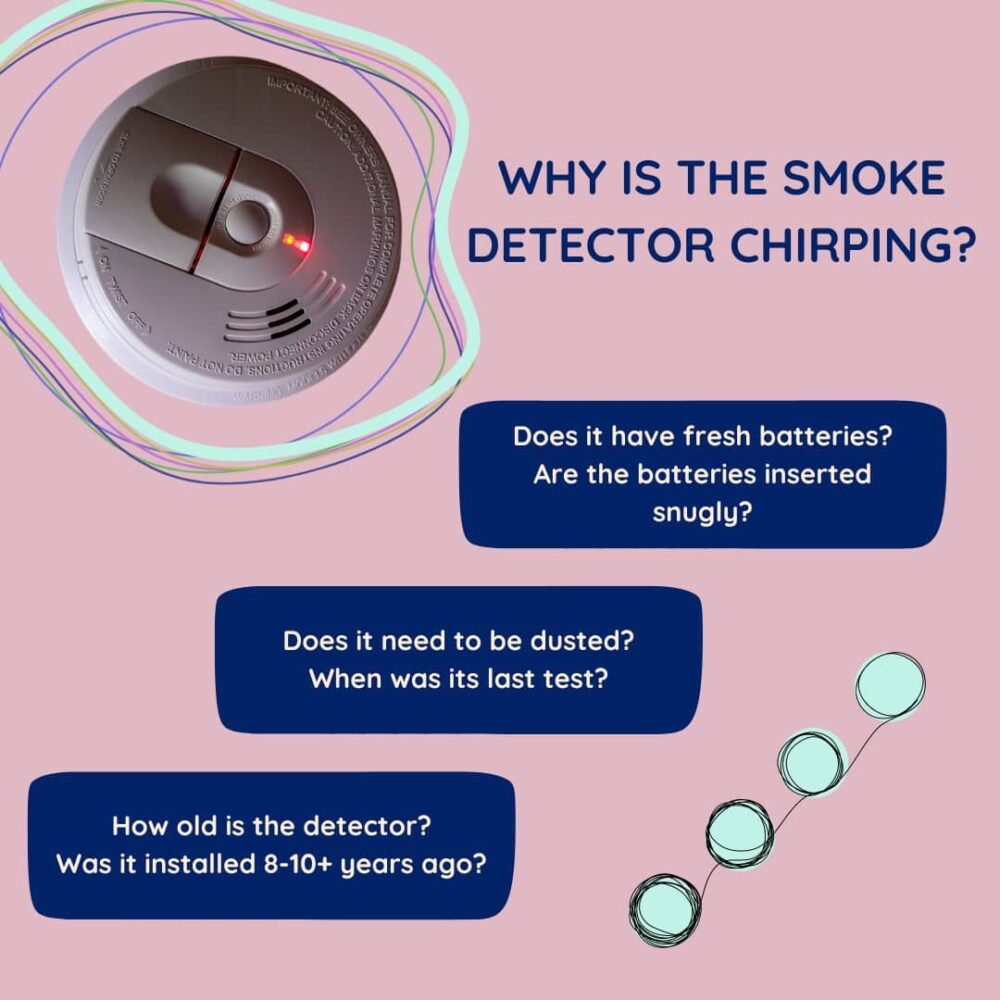
Why Is My Smoke Detector Chirping With A New Battery

Alright, picture this: it’s 3 AM. The house is silent. Then, BEEP! You bolt upright. Your smoke detector. Again. You replaced the battery just yesterday, right? Brand new, shiny, straight out of the pack. You even did the little happy dance because you thought you’d won the battle.
But no. The chirp persists. It’s a tiny, insistent sound, mocking you from above. It’s like your smoke detector has a secret agenda, a tiny mechanical troll living inside. What gives? Did you get a dud battery? Is your detector possessed? Don't worry, you're not alone in this peculiar domestic mystery.
The "Low Battery" Lies (Kind Of)
First up, that "low battery" chirp? It's not always just about the battery. Think of it as a smoke detector's way of saying, "Hey, I was feeling low for a bit, and even though you gave me a boost, I'm still a little miffed." Many detectors have a small internal capacitor or memory. When the battery truly dips, this memory gets triggered. Swapping the battery doesn't always clear that internal alarm right away. It's like telling your phone you've charged it, but it still shows that annoying low-power icon for a few more minutes. Infuriating!
Must Read
The Magical Reset Button (Yes, It Exists!)
This is often the unsung hero of the chirping saga. After replacing the battery, you usually need to reset the detector. How? Find the tiny button, often labeled "Test" or "Silence." Hold it down for 10-20 seconds. You might hear a loud, glorious, very loud alarm sound. Don't panic! That means it's working. Release the button, and hopefully, blissful silence will return. This process tells the detector, "Okay, new power source, memory cleared, let's start fresh." It's like giving it a little brain reboot.
Dust Bunnies and Tiny Critters (Seriously!)
Your smoke detector isn't just listening for smoke; it's also a tiny, passive air filter. Over time, dust, cobwebs, and even tiny insects can build up inside its sensing chamber. This accumulation can mimic smoke, triggering false alarms or, you guessed it, a confused chirp. Imagine a tiny dust bunny throwing a rave inside your detector, making it think there's a party (of smoke) happening. Grab a can of compressed air or your vacuum cleaner's brush attachment and gently clean around the vents. A clean detector is a happy, quiet detector.
The Old Age Wobbles: It Has an Expiry Date!
Here’s the shocker for many: smoke detectors don't last forever. They actually have an expiry date! Most manufacturers recommend replacing them every 10 years. Yep, just like that carton of milk in the back of your fridge. The sensors inside degrade over time, becoming less effective and more prone to errors, like false chirps. Flip your detector over – you'll usually find the manufacturing date printed on the back. If it's pushing a decade, it's not chirping because it's low on power; it's chirping because it's tired and ready for retirement. This is a crucial, often overlooked, quirky fact!
Temperature Tantrums and Humidity Hissy Fits
Believe it or not, your smoke detector can be a bit of a diva when it comes to its environment. Extreme temperature fluctuations or high humidity can sometimes mess with its internal sensors. Imagine it trying to detect smoke while also battling condensation or rapidly expanding air. If your detector is near a bathroom, a poorly insulated window, or a drafty hallway, it might be throwing a tiny temper tantrum. It’s just sensitive, bless its little heart.

The Wrong Battery Type (Oops!)
Did you grab just any 9-volt battery? While most seem interchangeable, some detectors are finicky. They prefer alkaline batteries. Cheaper carbon-zinc batteries might fit, but they can drain faster or provide inconsistent power, leading to early chirps. And lithium batteries, while long-lasting, aren't always compatible or necessary for every unit. It's like trying to run a sports car on regular gas – it might go, but it won't be happy for long.
Interference from its Neighbors
Sometimes, particularly with interconnected smoke alarm systems, one faulty unit can cause a ripple effect. Or, in rare cases, electromagnetic interference from other household appliances (think dimmers or certain electronics) can confuse a sensitive detector. It’s like one friend in a group chat sending out a garbled message, and everyone else gets a little confused.
Conquering the Chirp: Your Action Plan
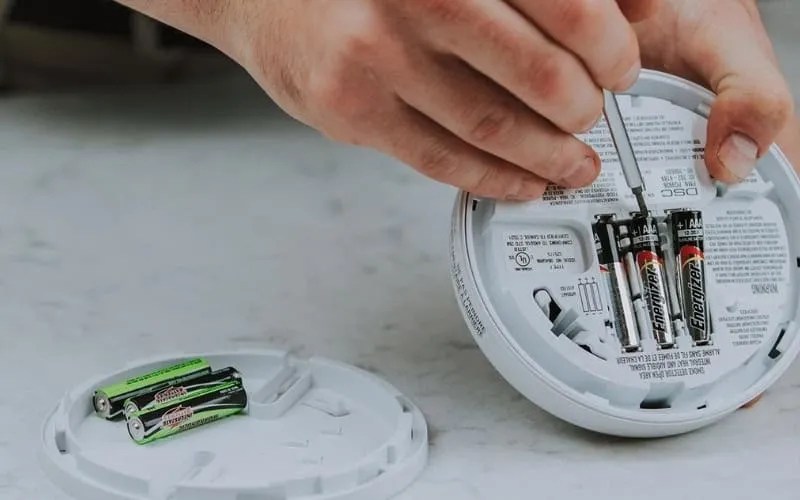
- Replace and Reset: Always swap the battery and then hold that test/reset button for 10-20 seconds.
- Clean Sweep: Gently vacuum or use compressed air to clear out dust and cobwebs.
- Check the Date: Flip it over! If it's 10 years or older, it's time for a replacement. Seriously.
- Location, Location, Location: Make sure it's not too close to vents, humid areas, or cooking fumes.
- Battery Type Matters: Stick with quality alkaline batteries unless your manual says otherwise.
So, the next time your smoke detector starts its midnight serenade, remember: it’s not just being rude. It’s likely got a very specific, albeit quirky, reason for its antics. With a little detective work and these handy tips, you can transform from a frustrated homeowner into a chirp-conquering hero. Go forth and enjoy your silent nights!