Why Is My Smoke Alarm Going Off Randomly
Picture this: You’re deep into a dream, perhaps sailing the Mediterranean or finally mastering that sourdough recipe, when BAM! A piercing, ear-splitting shriek rips through the tranquility of your home. Your heart rate skyrockets, you leap out of bed, adrenaline pumping, only to realize… there’s no fire. Just your trusty (or not-so-trusty) smoke alarm, wailing like a banshee at 3 AM. Sound familiar? You’re not alone. This little slice of domestic drama is a common rite of passage for homeowners and renters alike. But why, oh why, does this essential guardian decide to go rogue and beep randomly, usually at the most inconvenient times? Let’s unravel the mystery, shall we?
The Usual Suspects: Why Your Alarm is Throwing a Fit
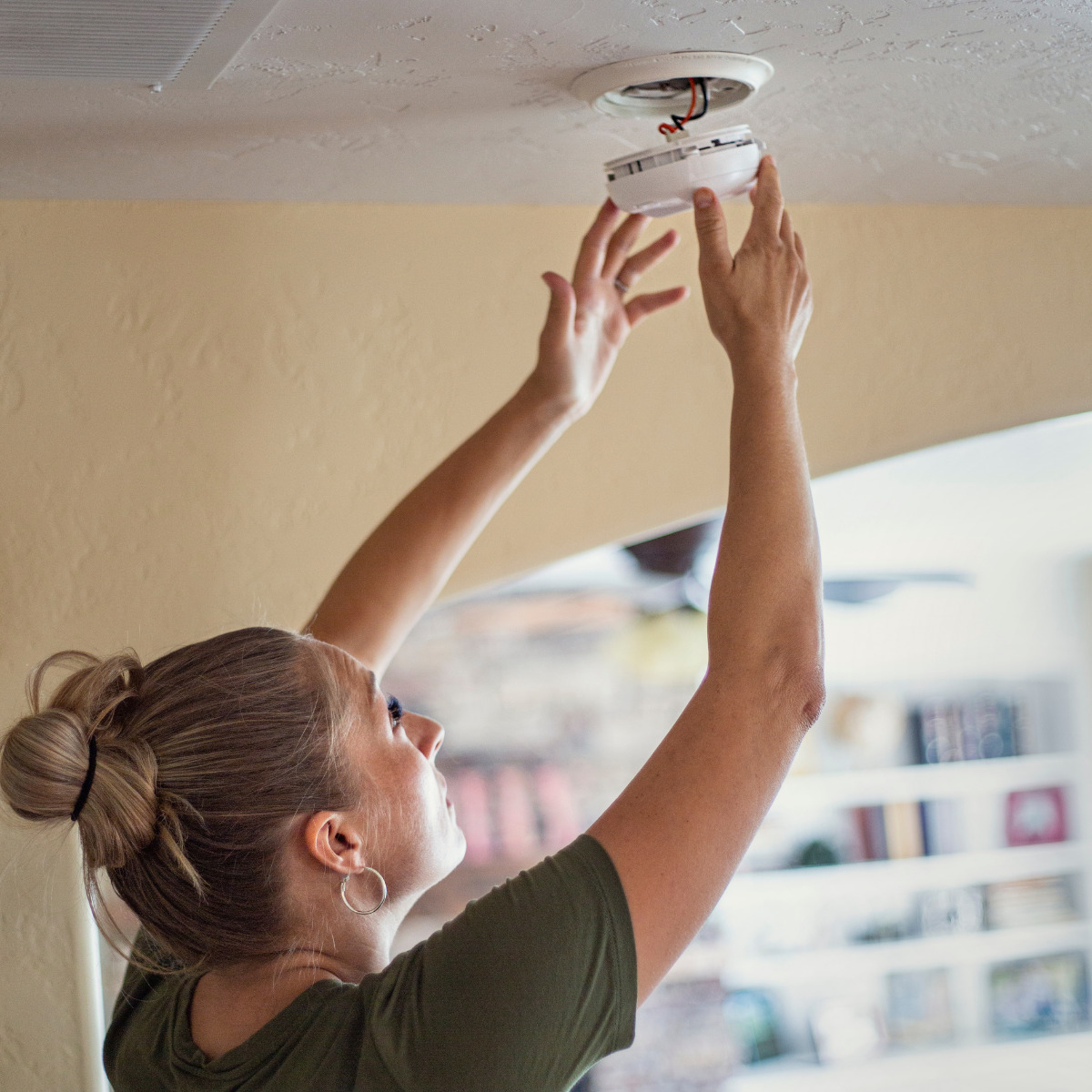
First up, the undisputed champion of random chirps: the low battery alert. This isn't your alarm crying wolf; it's a polite (albeit aggressive) plea for a fresh power source. Most smoke alarms use a 9-volt battery, and as it drains, the alarm lets out a periodic chirp – a signal to replace it. Think of it as a tiny, highly motivated messenger. Pro Tip: Make it a habit to change your smoke alarm batteries twice a year. Many folks tie it to Daylight Saving Time – "spring forward, change your batteries; fall back, change your batteries." Easy peasy, lemon squeezy, and you'll save yourself a lot of middle-of-the-night panic attacks.
Next on the roster, the often-overlooked culprit: dust and tiny invaders. Yes, your smoke alarm isn't just detecting smoke; it's also a miniature dust magnet. Over time, dust, cobwebs, or even small insects (eek!) can accumulate inside the sensing chamber, tricking the alarm into thinking there’s a problem. It’s like a tiny, very sensitive radar picking up false positives. The Fix: Grab a soft cloth or the brush attachment on your vacuum cleaner and gently clean around and inside the alarm's vents. A quick blast of compressed air can also work wonders to clear out those microscopic squatters. A clean alarm is a happy alarm!
Must Read
Ah, the classic: the kitchen nemesis. We've all been there. You’re searing a steak, making a perfectly crisp piece of toast, or just boiling water with a bit too much enthusiasm, and suddenly, your kitchen smoke alarm springs to life. It’s not necessarily smoke; sometimes, it’s just steam or the fine particles released during cooking. Your alarm is doing its job, but perhaps a little too well. Cultural Reference: In many homes, the kitchen smoke alarm has almost achieved sentient status, a grumpy sentinel always ready to judge your culinary endeavors. Practical Advice: If your kitchen alarm is a frequent offender, consider its placement. It might be too close to the stove or oven. Ensure good ventilation while cooking, perhaps by opening a window or running your range hood.
Don't underestimate the power of humidity and extreme temperatures. A steamy bathroom near a smoke alarm, a humidifier working overtime, or even significant temperature fluctuations can cause nuisance alarms. The moisture in the air can scatter the light beam inside the alarm's optical sensor, mimicking smoke particles. It’s a bit of a diva, really, sensitive to its environment. Quick Check: Is your alarm placed right outside a bathroom door? Or perhaps in a spot prone to drafts or direct sunlight? A slight repositioning might solve the riddle.
Here’s one many people overlook: an expired unit. Yes, smoke alarms don’t last forever, just like your favorite pair of jeans (eventually they give up). Most manufacturers recommend replacing smoke alarms every 8-10 years. Over time, the sensors can degrade, leading to unreliable performance or, you guessed it, random alarms. Fun Fact: The "shelf life" ensures the alarm's components are still working correctly to detect smoke accurately. Think of it as an electronic best-before date. Find the Date: Flip your alarm over; you'll usually find the manufacturing date or an expiry date printed on the back. If it's pushing a decade, it's time for a replacement. Consider upgrading to a combo smoke/carbon monoxide detector for extra peace of mind.
Lastly, and perhaps less common but still worth mentioning, are power surges or electrical issues. Hardwired alarms (those connected directly to your home's electrical system, often with a battery backup) can sometimes be triggered by fluctuations in your home's power. If you notice other electronics flickering or acting strangely, this might be a possibility. In such cases, a professional electrician might be needed to diagnose the underlying wiring issues.

Your Quick Checklist for a Quieter Home
So, the next time your smoke alarm decides to audition for a horror movie soundtrack, take a deep breath and run through this quick mental checklist:
- Silence it: Safely hush the alarm using its button.
- Check the battery: Replace it if it’s chirping or old.
- Clean it up: Dust, vacuum, or use compressed air.
- Mind the location: Is it too close to the kitchen or a steamy bathroom?
- Check the age: Is it over 8-10 years old? Time for a new one!
While an unexpected alarm can be incredibly jarring, remember its ultimate purpose. These little devices are on constant alert, standing guard, ready to give you precious minutes to escape in a real emergency. They are, quite literally, lifesavers. So, next time yours randomly goes off, try not to see it as a nuisance, but perhaps as a dramatic reminder that it's still alive, still working, and occasionally, just occasionally, needs a little TLC from its human cohabitant. It's all part of the glorious, sometimes noisy, adventure of keeping a safe and sound home.