
Why Is Carbon Monoxide Alarm Going Off

Ever hear that chirping or loud alarm sound in your home? It’s not just a random noise. That sound is your carbon monoxide alarm trying to get your attention.
It’s like a tiny superhero standing guard in your house. This little device has a very big and important job to do. It protects you from a truly invisible danger.
So, what exactly is this hidden threat? We're talking about carbon monoxide, often called CO. It's a gas you can't see, smell, or taste.
Must Read
Think of it as a super sneaky intruder. You wouldn't even know it was there without help. That's what makes it so incredibly dangerous to everyone.
What is Carbon Monoxide, Anyway?
Your natural senses simply cannot detect carbon monoxide. It's completely odorless, colorless, and tasteless. This is why it’s sometimes called the "silent killer."
It’s produced when fuels like gas, oil, wood, or charcoal don't burn completely. Many common household items can produce it. These include furnaces, water heaters, and even gas stoves.
Even fireplaces and clothes dryers can be sources. Car exhaust, too, is a big producer of CO. It's everywhere we burn things for heat or power.
When you breathe in too much CO, it replaces the oxygen in your blood. This stops your organs from getting the oxygen they need. It can quickly become life-threatening.
Symptoms can feel like the flu at first. You might get a headache, feel dizzy, or nauseous. But it gets much worse very fast.
How Does Your Alarm Work its Magic?
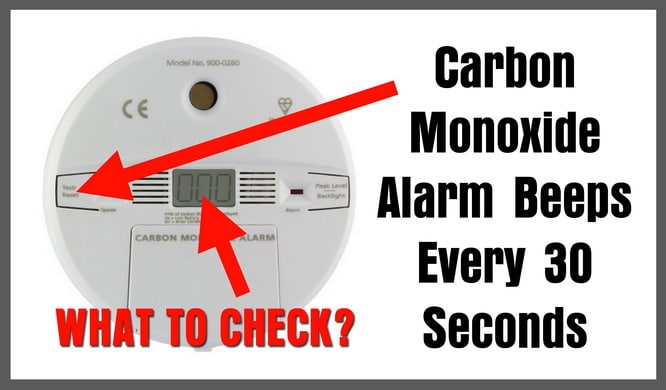
This is where your carbon monoxide alarm comes in. It’s a smart little gadget designed to detect this dangerous gas. It constantly monitors the air around it.
Inside the alarm, there’s a special sensor. This sensor reacts when it comes into contact with CO. It's incredibly sensitive to even small amounts.
When the sensor detects a certain level of CO, it triggers the alarm. It lets out a very loud, distinctive sound. This sound is impossible to ignore.
It’s like having an extra pair of super-powered eyes and a nose. These senses are always on duty. They are specifically trained to sniff out CO.
The alarm provides precious time. It gives you a chance to react safely. It’s truly an amazing piece of technology, always watching out for you.
Why Might Your Alarm Be Beeping?
Reason 1: Actual Carbon Monoxide is Present!
The most serious reason for your alarm to go off is that it's detecting carbon monoxide. This means there's a real danger. You need to act fast.
A malfunctioning furnace could be leaking the gas. Perhaps a blocked chimney is preventing proper ventilation. Maybe a stove burner wasn't completely off.
Running a car in an attached garage, even for a short time, is another common cause. Anything that burns fuel can be a source. Always be mindful of these things.
Safety First! If your CO alarm is blaring, assume there's real danger. Don't wait to investigate. Get fresh air immediately!
Reason 2: It's Just a Low Battery Chirp
Sometimes, the alarm isn't screaming a full emergency. Instead, you might hear a regular, short "chirp" every minute or so. This is a very common sound.
This quieter chirp usually means the batteries are running low. It's the alarm's way of asking for a little help. It needs a fresh power source.
Replacing the batteries is usually quick and easy. Make sure you use the right type. Always check your alarm's manual for specifics.
Don't ignore this chirp! A low battery means your alarm isn't fully protecting you. It could fail to detect a real emergency when needed.
Reason 3: Your Alarm Has Reached Its Expiration Date
Did you know carbon monoxide alarms don't last forever? Just like smoke detectors, they have a lifespan. Most last about 5 to 7 years.
After this time, the sensor inside can become less accurate. It might not detect CO as effectively. This puts your household at risk.
Many alarms will let out a specific series of chirps or sounds when they're ready to retire. Check the back of your alarm for a manufacture date. You can also find an "expiration date" sticker.
If your alarm is past its prime, it's time for a replacement. Think of it as upgrading your personal safety team. A fresh alarm means fresh protection.
Reason 4: It's Malfunctioning or Has Been Damaged
While less common, an alarm can sometimes malfunction. Dust, humidity, or even physical damage can affect its operation. It might start beeping erratically.
If you suspect your alarm is acting strangely and it’s not a low battery or expiration date issue, don't just ignore it. It's better to be safe than sorry.
You might want to replace it to ensure peace of mind. A working alarm is a happy alarm. A happy alarm means a safe home.
What to Do When Your CO Alarm Goes Off Loudly
Okay, so your alarm is sounding its full, urgent warning. What's the very first thing you should do? Don't panic, but act swiftly.
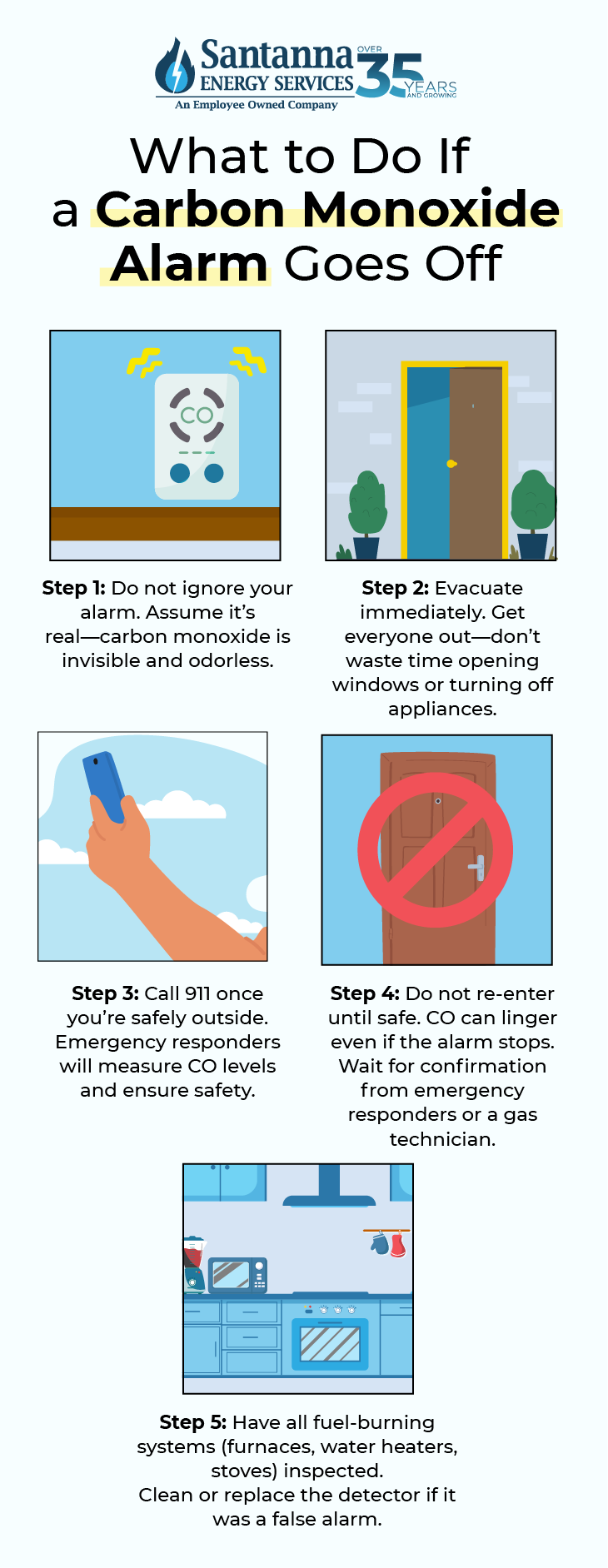
Your immediate priority is to get everyone, including pets, out of the building. Fresh air is key. Go outside to a safe spot.
Once outside, call emergency services, like 911 or your local fire department. Tell them your carbon monoxide alarm is going off. They are trained for these situations.
Do not go back inside until emergency personnel say it is safe. They will investigate the cause and ensure the air is clear. They have special equipment to measure CO levels.
It's much better to call them for a false alarm than to risk your life. Your safety is always worth the call. Never take chances with CO.
A Quick Check-Up for Your Alarm
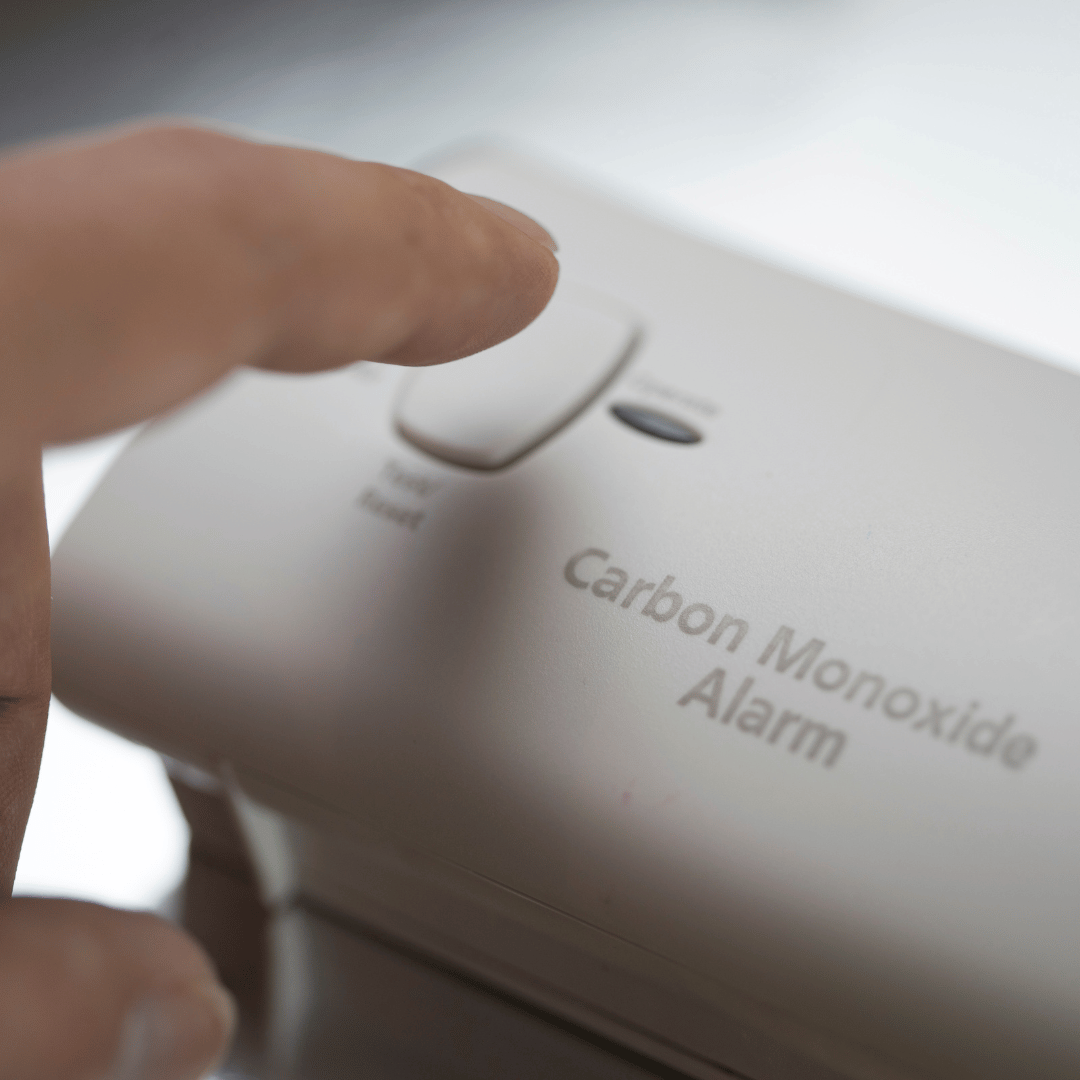
Just like you might check your smoke detectors, it's a great idea to test your carbon monoxide alarm regularly. Most alarms have a simple "Test" button.
Push and hold this button for a few seconds. The alarm should let out a loud sound. This confirms the speaker and basic circuitry are working.
Do this at least once a month. You could even make it a fun family activity. It's a quick way to ensure your protective superhero is ready for action.
Also, remember to replace the batteries every six months. A good reminder is when you change your clocks for daylight saving time. "Spring forward, fall back, and change the batteries!"
Where Should You Put Your Alarm?
Placement matters! For the best protection, install CO alarms on every level of your home. They should be near sleeping areas.
Also, place them in central locations and near attached garages. Read your alarm's instructions for the best height and specific placement tips.
Avoid placing them too close to fuel-burning appliances. Don't put them right next to vents either. Extreme temperatures or high humidity can interfere with their sensors.
Getting the placement right ensures your alarm can do its job effectively. It gives it the best chance to sniff out any danger quickly.
The Alarm's Superpower: Peace of Mind
Your carbon monoxide alarm isn't just a gadget. It's a guardian. It's your early warning system against a hidden threat.
Understanding why it might go off is truly empowering. It helps you react correctly and stay safe. It turns that scary sound into a beacon of protection.
So, the next time you hear a chirp or a full alarm, you'll know exactly what it means. You'll know how to respond to keep yourself and your loved ones safe.
It's a small device with an enormous responsibility. Make sure yours is in good working order. Test it, maintain it, and replace it when needed.
By doing so, you're not just buying an alarm. You're investing in your family's safety. You're ensuring peace of mind, knowing your home is protected from the silent killer.
Be curious about your alarms! Check them out, know their sounds, and understand their vital role. It's one of the simplest, yet most effective, ways to protect your home.