Why Is California Electricity So Expensive
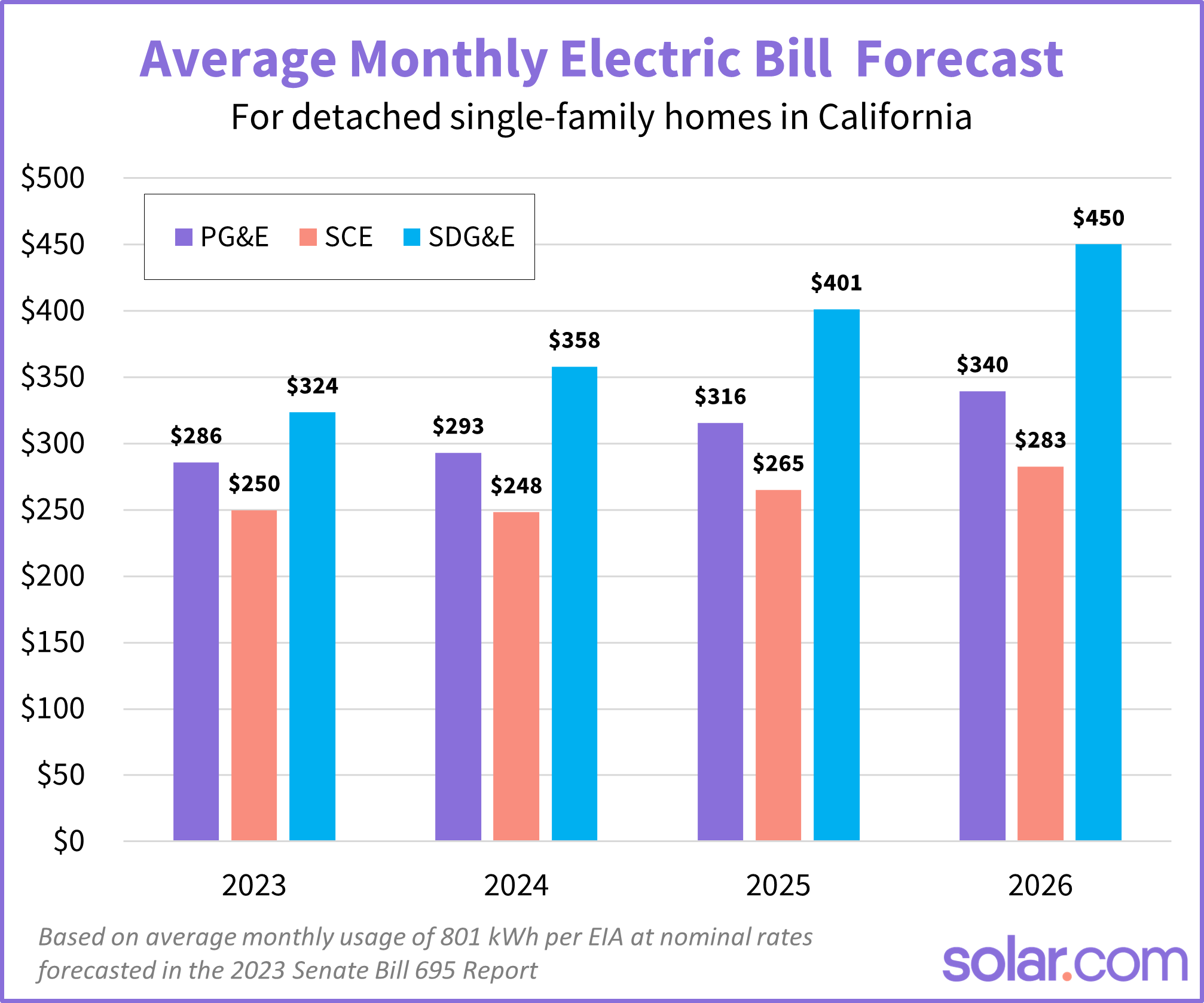
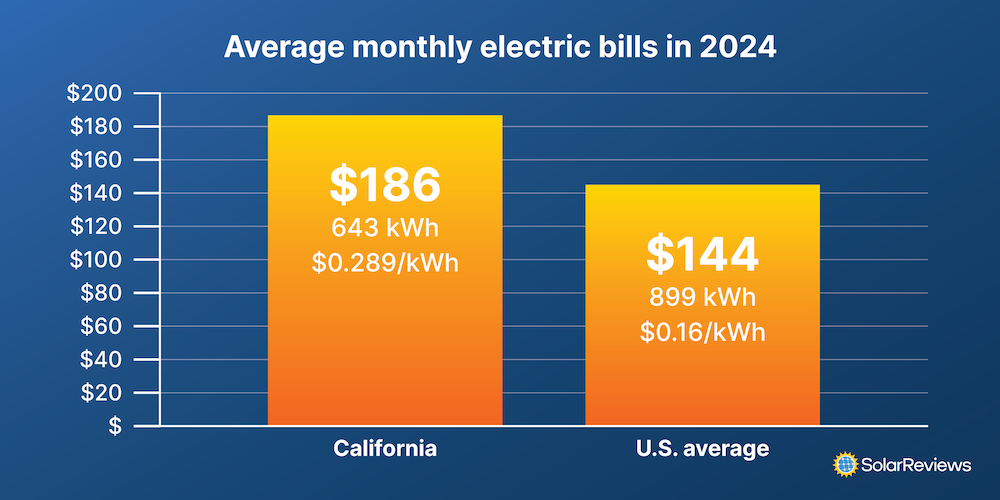
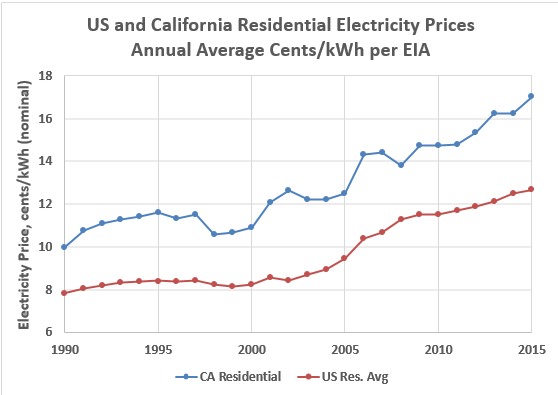
Ever found yourself squinting at your California electricity bill, perhaps with a slight gasp, wondering, "Wait, why is it THIS much?" If so, you're definitely not alone! It's a question that sparks curiosity in millions of Californians, and frankly, it's a topic that's surprisingly fun and insightful to delve into. Understanding why our power costs what it does isn't just about begrudging a high bill; it's about peeling back the layers of a complex system that touches everything from our daily comfort to ambitious climate goals.
The beauty of exploring this question is that it offers a fantastic lens through which to understand larger societal issues. It’s not just about wires and watts; it’s a living case study in economics, environmental policy, infrastructure challenges, and even technological innovation. The purpose of learning about this isn't to magically lower your bill overnight, but to become a more informed consumer and citizen. The benefits include gaining a clearer picture of where your money goes, understanding the energy landscape of a leading state, and even empowering you to make smarter choices around your own energy consumption.
In our daily lives, this understanding can be incredibly practical. For instance, knowing about time-of-use rates – where electricity costs more during peak demand hours, typically afternoons and evenings – can influence when you run your dishwasher or charge your electric vehicle. It helps explain why that summer afternoon AC binge can really sting. In education, discussing California's electricity costs provides a rich example for economics students learning about supply and demand, or for environmental science classes examining the true cost and challenges of transitioning to renewable energy. It’s a real-world problem with many contributing factors, including the huge investments in wildfire mitigation, the push for clean energy sources like solar and wind (which require significant grid upgrades and storage solutions), and the ongoing maintenance of aging infrastructure across a vast, populous state. High demand, fluctuating natural gas prices (which still power a significant portion of the grid), and various regulatory costs also play their part.
Must Read
So, how can you start exploring this fascinating topic yourself? It’s simpler than you might think! First, take a closer look at your own electricity bill. Many utilities now provide detailed breakdowns of charges and even comparisons to your neighbors. Pay attention to whether you're on a time-of-use plan and consider shifting high-energy activities to off-peak hours. Second, visit your local utility's website. They often have resources explaining current rates, energy-saving tips, and incentive programs for things like solar panels or energy-efficient appliances. You can also research California's energy mix to see how much of our power comes from renewables versus fossil fuels. Finally, consider performing a simple home energy audit or investing in smart home devices that help monitor and control your energy use. It’s a journey into understanding not just your bill, but the very pulse of California’s energy future.