
Why Does My Carbon Monoxide Detector Keep Chirping
You know that feeling, right? It’s 2 AM. You’re deep in dreamland, probably fighting dragons or winning the lottery. Suddenly, BEEP! You jolt upright. BEEP! Your heart leaps into your throat. BEEP! Is it a ghost? Is the house falling apart? Nope. It’s that tiny, unassuming puck on your wall, making the most infuriating, insistent little chirp.
You stumble around in the dark, wondering if it's the smoke detector, the security system, or perhaps a rogue cricket with a megaphone. And then it hits you: it's the carbon monoxide detector. And now you’re wide awake, slightly panicked, and probably Googling, "Why the heck is my CO detector chirping?!" Sound familiar? Because, my friend, you are not alone in this nocturnal symphony of minor alarm.
That incessant chirp isn't just trying to annoy you into oblivion (though it certainly feels like it, doesn't it?). It's actually a tiny, vital communication from a device designed to keep you safe from a truly silent killer. Carbon monoxide, as you might know, is colorless, odorless, and tasteless – basically, a ninja gas. Your detector is your early warning system, and when it starts chirping, it's telling you something important. Let's decode its mysterious language, shall we?
Must Read
Reason #1: The Dreaded Low Battery Chirp
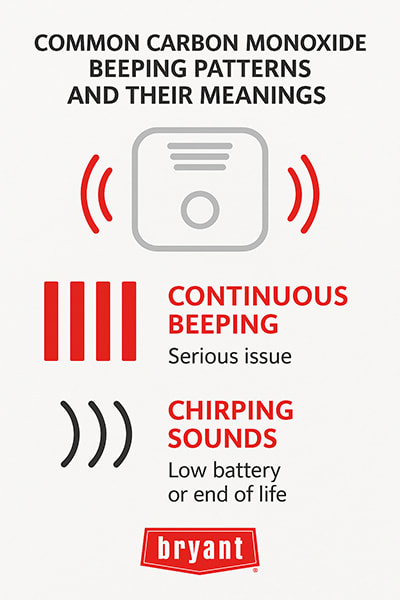
This is probably the culprit 90% of the time. That single, intermittent chirp, usually about once a minute? That’s your detector saying, "Hey! My juice is running low! Feed me batteries, human!" It's like a toddler poking you repeatedly until you give them a snack.
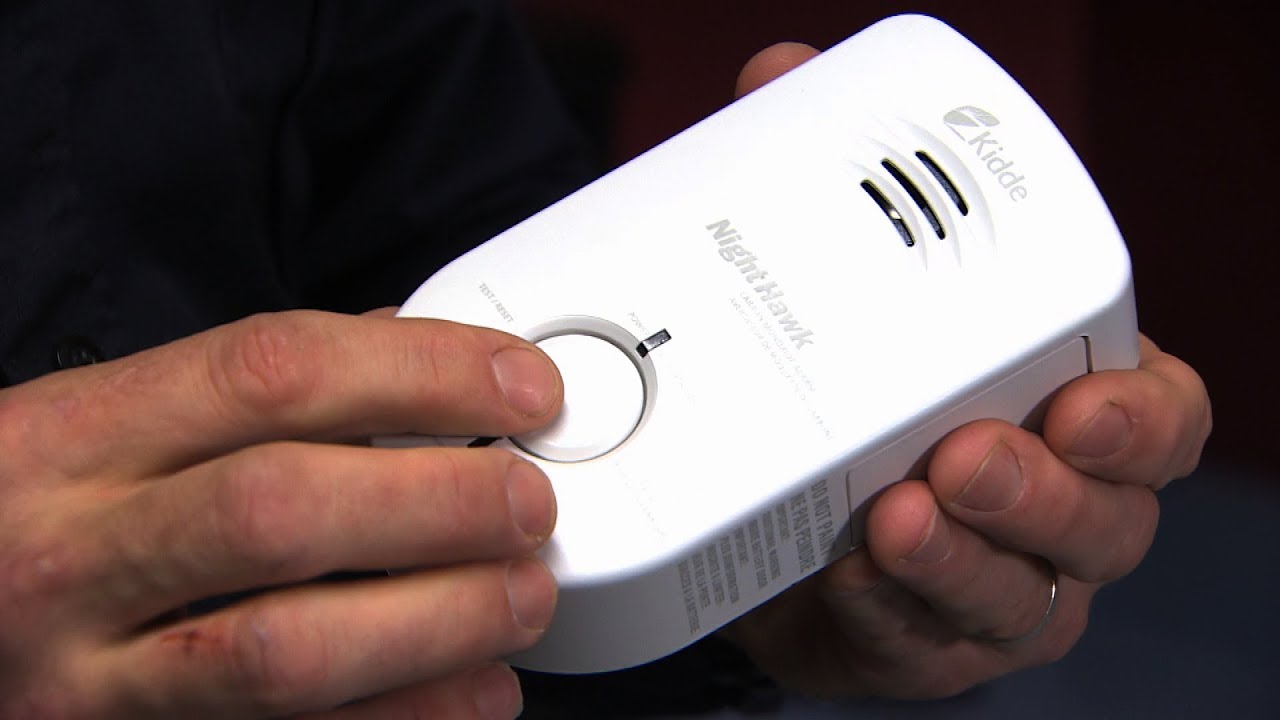
The good news? This is usually an easy fix. Grab the right type of batteries (often AA or 9V, check your unit!), pop them in, and press the test button. If the chirping stops, you're golden! If it continues, well, keep reading, Sherlock.
Reason #2: Your Detector's Having a Birthday (An Old One)
Yep, these little guardians don't live forever. Most CO detectors have a lifespan of around 5-7 years. After that, their sensors become less reliable and their accuracy can diminish. When they hit their expiration date, they'll usually start chirping or beeping in a specific pattern (often a rapid series of beeps every minute or so, sometimes different from a low battery chirp) to tell you it's time for retirement. It's like your old car finally giving up the ghost – it served you well, but its time is up.
Flip your detector over and look for a manufacture date or an "install by" date. If it's past its prime, it's time to replace it. No ifs, ands, or buts – a sleepy sensor is a dangerous sensor.

Reason #3: Actual CO Detection (The Serious One)
Okay, now this is where things get serious, like, drop-everything-and-go-outside serious. If your detector is emitting a loud, continuous, rapid series of beeps (usually four distinct beeps followed by a pause, repeated), it's not a low battery or an old unit. It's detecting carbon monoxide. This is its primary job, and when it screams, you listen.
Do not mess around with this one. If you hear this alarm:
- Get everyone out of the house immediately. This includes pets!
- Call 911 or your local emergency services from a safe location.
- Do not re-enter your home until emergency personnel tell you it's safe.

Reason #4: Malfunction or Fault
Sometimes, your detector might just be feeling a bit under the weather. A continuous, non-stop chirp that isn't the standard CO alarm pattern, or an error message on a digital display, could mean a fault within the unit itself. It's rare, but electronics can be finicky. If you've ruled out low batteries and end-of-life, and it's definitely not the alarm for actual CO, it might just be time to replace it anyway. Better safe than sorry, right?
What to Do When the Chirping Starts
So, the next time that little puck starts its nighttime serenade, don't just shove a pillow over your head or try to just ignore it (seriously, don't!). Take a deep breath, and figure out what it's trying to tell you. Start with the simplest solution (batteries!), check the age, and if it's the big alarm, act fast and get out!
Regularly test your CO detectors (there's usually a test button – give it a press once a month!) and make sure you know when they need replacing. They're a small investment for a massive peace of mind. And let's be real, a quick battery change is a small price to pay for a full night's sleep, free from existential chirping dread.
