Why Do Some Power Lines Have Balls On Them
Ever found yourself staring out the car window, perhaps on a road trip, and noticed something a little out of the ordinary strung along some power lines? We're talking about those colorful, often bright orange, red, or white spheres that look like oversized beads on a necklace. If you've ever wondered, "Why are those balls on power lines?" you're not alone! It's a common sight that sparks curiosity, and the answer is not only fascinating but also incredibly important for safety. Unraveling these everyday mysteries helps us appreciate the clever engineering that keeps our world running smoothly and safely.
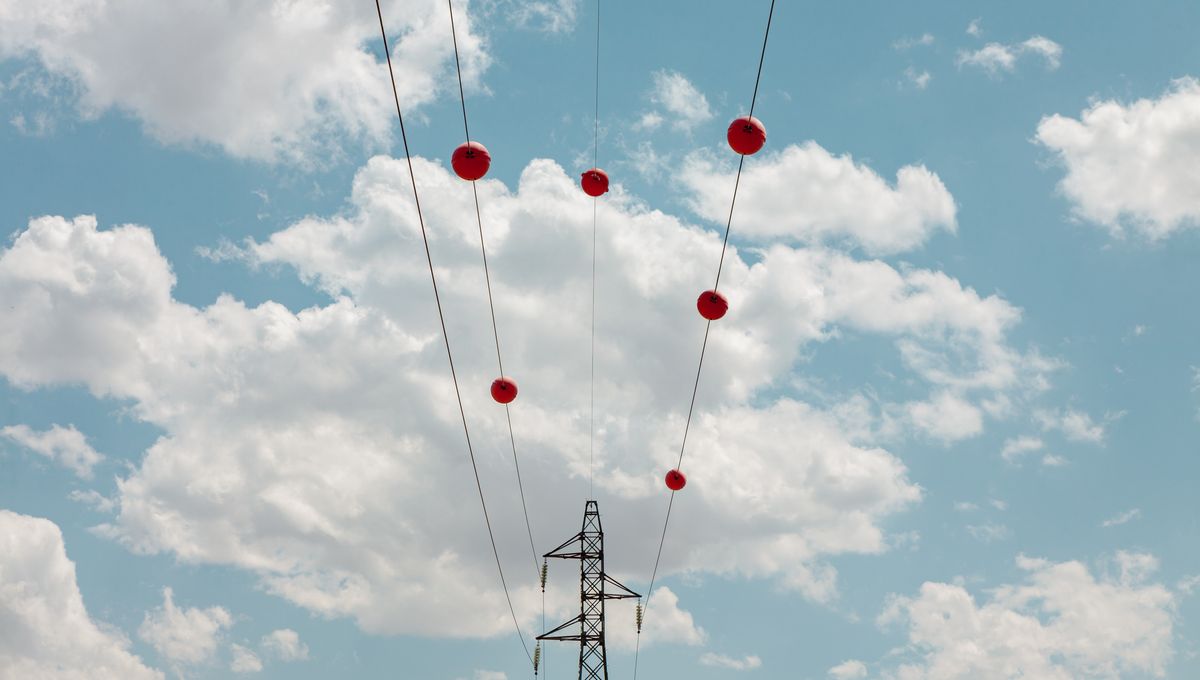
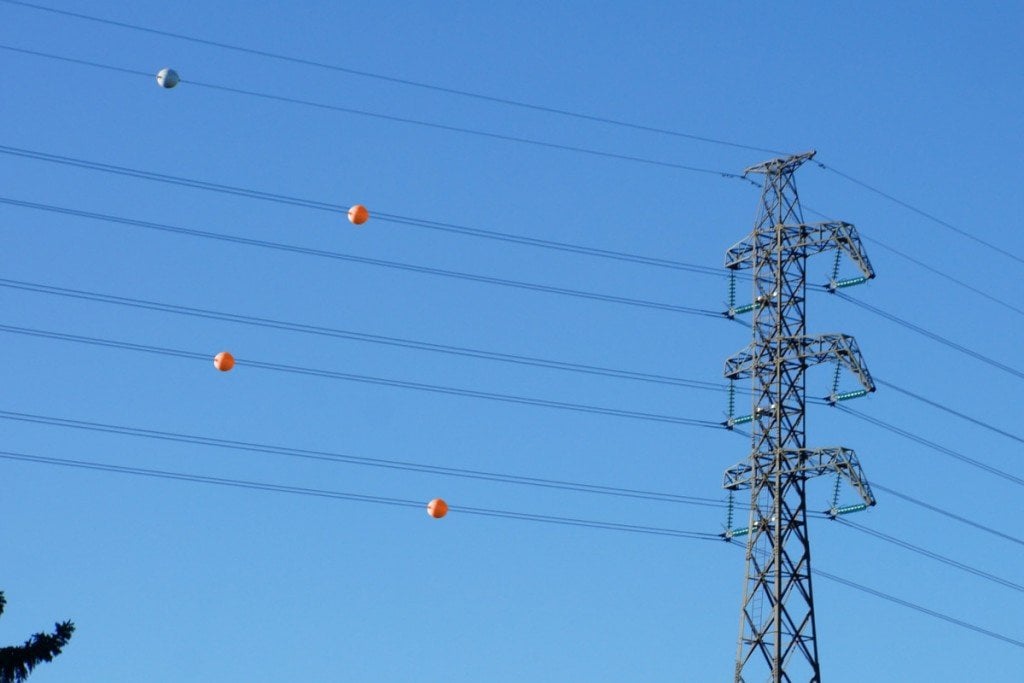
So, what's the deal with these mysterious orbs? They're not decorative, nor are they some kind of advanced energy-storing device. These are officially known as Aircraft Warning Markers, or sometimes just Visibility Markers. Their primary purpose is straightforward: to make thin, hard-to-see power lines much more visible to aircraft, particularly those flying at low altitudes.
Think about it: from the ground, power lines are easy to spot. But from the air, especially against a cloudy sky or a cluttered background of trees, those slender wires can become virtually invisible. This poses a significant hazard for pilots of low-flying aircraft such as helicopters, crop dusters, medical evacuation planes, and even small private jets. Colliding with power lines can lead to catastrophic accidents, causing severe damage, injuries, or fatalities.
Must Read
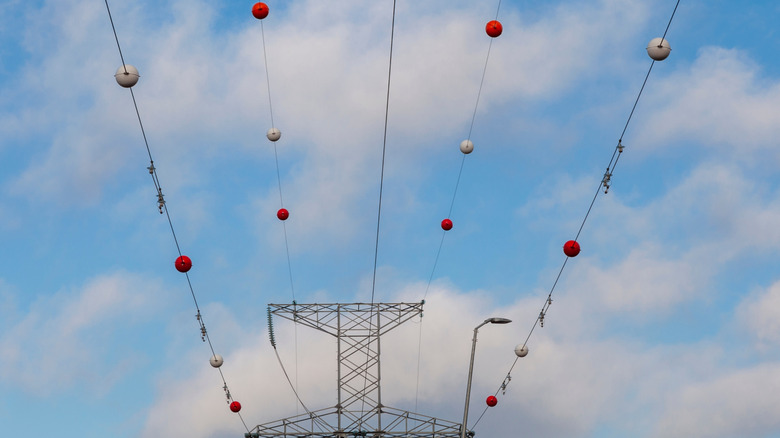
This is where our colorful spheres come into play. These markers are typically made of lightweight, durable materials like fiberglass or plastic, designed to withstand various weather conditions. They are large – usually 20 to 36 inches in diameter – and brightly colored to provide a stark contrast against the sky, ground, or any other background. Common colors include international orange, aviation white, and red, chosen for their high visibility from a distance and in different lighting conditions, including dawn, dusk, and foggy weather.
You'll most commonly find these warning markers in specific locations where low-altitude flights are frequent or where power lines present a particular hazard. This includes areas around airports, heliports, landing strips, and often over valleys, canyons, rivers, or mountain passes where power lines might sag lower or where the terrain makes them difficult to spot. They act like big, glowing beacons, clearly outlining the path of the power lines and warning pilots of their presence and height.
![Purpose of Balls on Power Lines [Common Types & Locations]](https://www.electricrate.com/wp-content/uploads/2023/02/spheres-on-power-lines.jpg)
The benefits are clear and crucial: these balls significantly enhance aviation safety. By making power lines conspicuous, they help pilots identify and avoid potential collisions, thus saving lives and preventing accidents. It's a simple yet highly effective solution to a complex safety challenge, demonstrating how often the most elegant engineering solutions are about making the invisible, visible.
Next time you see those vibrant balls on a power line, you'll know they're not just there for show. They're a silent, colorful guardian, a testament to thoughtful design ensuring safety in our skies. It's a small detail with a huge impact, making our world a little bit safer for everyone flying overhead.