
Why Do Carbon Monoxide Detectors Expire
Imagine a silent, invisible villain that sneaks into your home. It has no smell, no taste, and you can't see it. This sneaky bad guy is called Carbon Monoxide, or CO for short.
It's super dangerous because it can make you very sick, or worse, without you ever knowing it's there. That's why we have a tiny hero standing guard in our homes: the Carbon Monoxide detector!
These amazing little devices are like silent sentinels, always on alert. They warn us with a loud beep if CO levels get too high. But here's a curious thing: even heroes have a retirement date!
Must Read
Why Do Our CO Detectors Need to Retire?
It might seem strange, right? It just sits there, plugged into the wall or humming along on batteries. It's not like it's running marathons or fighting crime every day.
So why does your reliable CO detector have an expiration date? It's not a secret conspiracy! It's actually a fascinating tale of tiny technologies doing big jobs, and how even the best parts eventually get a little tired.
Let's peek behind the curtain and discover what makes these guardians tick—and why they eventually stop. It's all about ensuring they stay sharp and ready for action when you need them most.
The Sensitive Heart: The CO Sensor
At the very core of every CO detector is its special sensor. Think of this sensor as a super-sensitive, highly specialized nose. It's designed specifically to "smell" carbon monoxide gas in the air.
Most modern CO detectors use something called an electrochemical sensor. This tiny component contains a specific chemical solution or gel. When CO gas floats into the detector, it interacts with this special chemical.

This interaction causes a small electrical current to be produced. The detector's electronics then measure this current. If the current reaches a certain level, bingo! It knows CO is present and sounds the alarm.
Why Our Tiny Noses Get Tired
Now, for the "why" of the expiration date. That special chemical within the sensor doesn't last forever. It’s always working, always reacting, even to the tiny amounts of impurities in everyday air.
Over time, these constant, tiny reactions cause the chemical to degrade. It slowly breaks down, much like a battery gradually loses its charge. It's not a dramatic failure, but a slow and steady decline.
Eventually, the chemical simply isn't as good at reacting to carbon monoxide. It might react too slowly, or it might not react at all to dangerous levels. That's a huge problem for a device meant to keep you safe!
"The sensor's special chemicals are like diligent little workers, but even the hardest workers need to retire!"
Think of it like a superhero's special powers slowly fading. They might still look strong, but their ability to save the day is diminishing. We wouldn't want our silent guardian to be less than 100% ready, would we?
More Than Just the Sensor: Other Weary Parts
It's not just the fancy sensor that has a lifespan. A CO detector is a whole system of parts working together. All these components also age and can become less reliable over time.
For example, what about the electronic brain of the detector? The tiny circuit boards, resistors, and wires can also degrade. Dust, humidity, and tiny temperature changes in your home can affect them.
The alarm itself, the loud buzzer that wakes you up, can also become weaker or fail completely. Imagine if your detector spotted CO but couldn't shout for help! That would be truly unhelpful.
Even the power source has limits. If your detector runs on batteries, those definitely need replacing. If it's hardwired, internal backup batteries often ensure it works during power outages, and those batteries also age.
All these little parts, from the indicator lights to the test button, contribute to the detector's overall reliability. When any one of them starts to falter, the whole system is compromised. It’s like a tiny, intricate orchestra where every musician needs to be in tune.
The Danger of a "Sleepy" Detector
The most important reason for an expiration date is to prevent a false sense of security. An expired detector might look perfectly normal sitting on your wall. It might even pass a quick test button push!
.webp)
But that test button only checks if the power and buzzer work. It doesn't actually check if the sensor can still accurately detect dangerous levels of carbon monoxide.
A "sleepy" detector is a silent risk. It might not go off until CO levels are dangerously high, or worse, it might never go off at all. This means it fails at its one crucial job: warning you.
That's why manufacturers build in an expiration date. It's their way of telling you, "After this date, we can no longer guarantee this device will perform its life-saving duty reliably."
"An expired detector isn't just old; it's potentially unreliable. Don't let your silent guardian become a silent risk!"
Your Safety Calendar: The Expiration Date
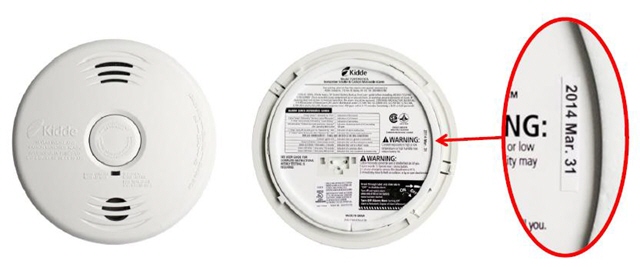
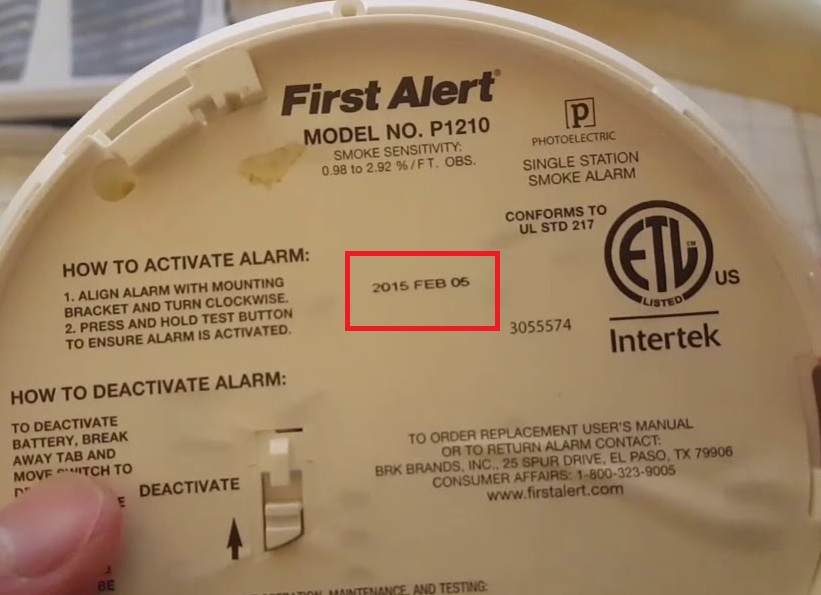
So, where do you find this crucial date? It's usually printed on the back or side of your CO detector. It's often labeled "REPLACE BY" or "END OF LIFE" or similar.
This date is usually about five to seven years from the date of manufacture, not the date you bought it. This means your detector might already be a year or two into its lifespan when you bring it home.
It’s a simple, clear instruction to ensure your home remains protected. Checking this date is a super easy way to keep your family safe. It's like checking the "best by" date on your food – you wouldn't eat spoiled food, so why trust a "spoiled" detector?

Manufacturers have invested loads of research and testing to determine this lifespan. They want to ensure their product performs perfectly throughout its guaranteed period. After that, it's a gamble.
Time for a Hero's Retirement Party!
When your CO detector reaches its expiration date, it's not a sad moment! It's a sign that your little hero has served its purpose well. It's time to thank it for its service and replace it with a brand new, fully capable guardian.
Replacing an expired detector is quick, easy, and affordable. It's one of the simplest things you can do to protect your loved ones from a truly sneaky danger.
Don't just remove the old one; make sure you install a fresh, new detector right away. This ensures there's no gap in your home's vital protection against carbon monoxide.
So, take a moment today, right now, to peek at your CO detector. Find that little date. It's a small check that can make a huge difference in keeping your home a safe and happy place.
Our silent guardians are incredible tools, but like all good things, they have a lifespan. By understanding why they expire and replacing them on time, you're becoming a hero in your own home!