
Why Do Car Seats Have Expiration Dates
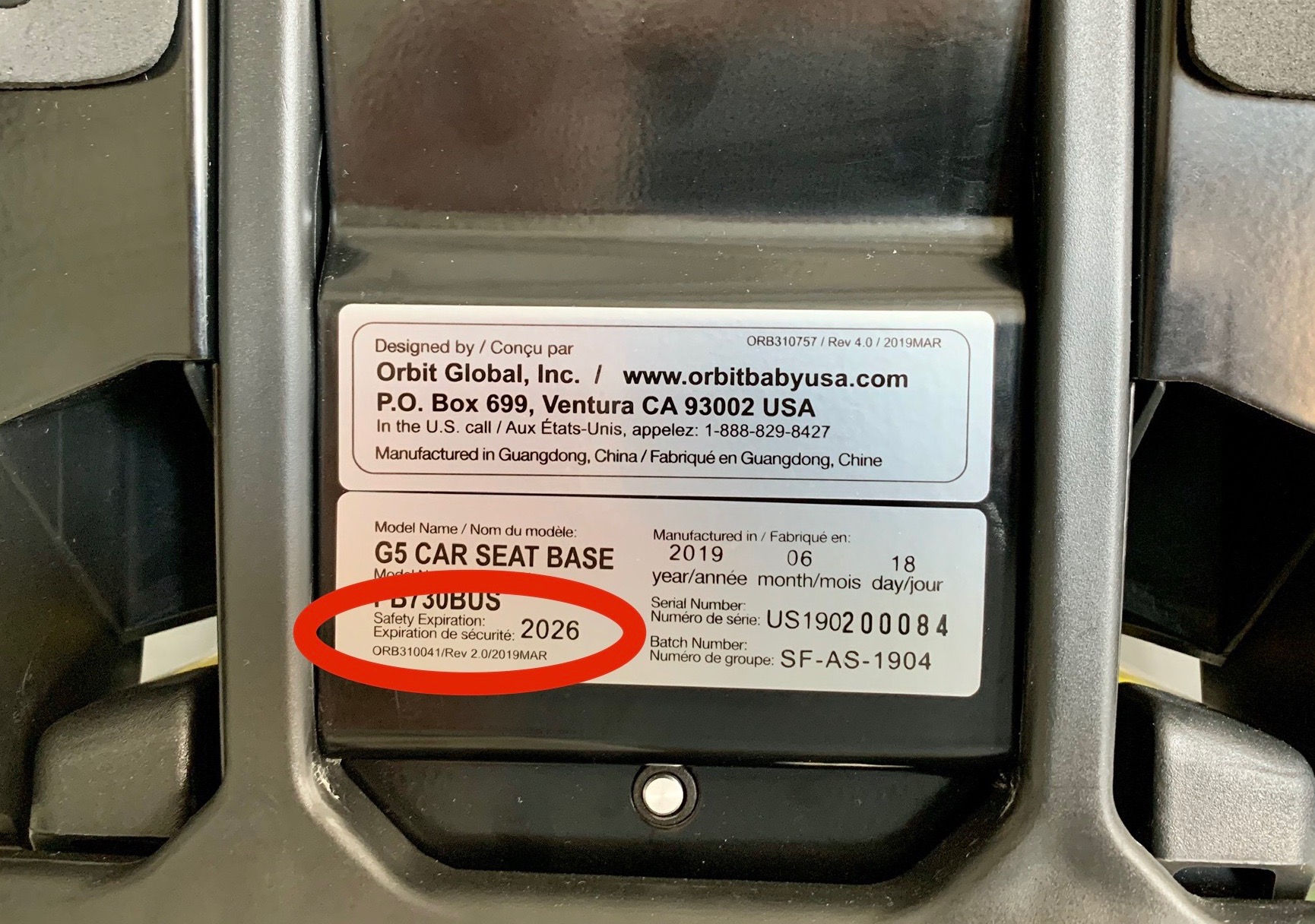
Picture this: you're doing a bit of spring cleaning, maybe rummaging through some old baby gear you thought was a "one and done" purchase. You pull out that trusty car seat, perhaps thinking of passing it on to a friend or saving it for a future sibling. And then, bam – you spot a sticker. It's not a price tag, it's an expiration date. "Wait, what?" you might think. "Car seats expire? Like milk? It's just plastic and fabric, how can it go bad?" Well, my friend, pull up a comfy chair, grab your favorite beverage, and let's unravel this surprisingly common little mystery together. It’s less about a ticking time bomb and more about ensuring our precious cargo is always riding in the safest possible chariot.
The Hidden Science: Why Plastic Isn't Forever
Let's be real, most of us see a car seat and think, "Sturdy plastic!" And it is. But here's the thing about plastic, especially the kind used in car seats: it's not invincible. Over time, and with everyday exposure to the elements, it starts to degrade. Think about it: your car seat lives a tough life.
- Sun's Out, Buns Out (and Plastics Degrading): Imagine your car parked in the summer sun, windows up. Temperatures inside can soar! Then, winter hits, bringing frosty mornings. This constant cycle of extreme heat and cold, combined with UV exposure from sunlight streaming through windows, takes a toll. These temperature fluctuations can cause the plastic to become brittle and less resilient, compromising its ability to withstand the force of a crash.
- Everyday Wear and Tear: It’s not just the big stuff. We're talking about the countless times you buckle and unbuckle, adjust straps, tighten the harness, or carry the seat. These small, repetitive actions, along with the inevitable spills and clean-ups, gradually wear down the components.
Beyond the Plastic: Straps, Standards, and Secret Histories
The expiration date isn't just a plastic problem; it's a holistic safety assessment. There are several other crucial factors at play:
Must Read
The Guts of the Seat: Think of the harness straps, buckles, and adjusters. These aren't just decorative; they're vital safety components. Over time, straps can fray, buckles can weaken or become less reliable due to dirt and grime, and adjusters might not hold as securely. These crucial elements, made of various materials, also have a lifespan.
Evolving Safety Standards: This is a big one. Car seat technology and safety research are always advancing. What was considered cutting-edge 10 years ago might be perfectly safe, but newer models often incorporate improved materials, side-impact protection, or easier installation methods that weren't even conceived back then. Manufacturers can only guarantee that a seat meets the safety standards that were current at the time of its production. After a certain period, those standards may have been updated, making older seats potentially less effective against newer impact scenarios.

The Mystery of the Past: If a car seat has been in a crash, even a minor fender-bender, its structural integrity can be compromised. Hairline fractures might not be visible to the naked eye, but they can severely reduce the seat's ability to protect your child in a future collision. Since there's no way for a manufacturer to know the "life story" of every single seat, an expiration date acts as a blanket safety measure, ensuring you're always using a seat that's structurally sound and hasn't silently suffered a trauma.
Finding the Date and What to Do Next
So, how do you find this elusive date? Most manufacturers stamp or print the expiration date directly onto the plastic shell of the seat, usually on the back or bottom. Sometimes it’s a “do not use after” date, or it might be a manufacture date with an instruction like “expire 6 years after date of manufacture.” Check your user manual – it's full of hidden gems!
Hot Tip: Register Your Seat! When you buy a new car seat, always fill out and mail in the product registration card or do it online. This ensures the manufacturer can contact you directly in case of a recall. Recalls happen more often than you think, and they're usually about a small, correctable issue, but knowing is half the battle!
To Buy or Not to Buy Used: This is where things get tricky. Unless you know the full, verifiable history of a used car seat – meaning you know the original owner, can confirm it has never been in a crash, and can verify the expiration date – it's generally best to avoid purchasing used seats. The peace of mind alone is worth it.
Disposal Duty: When your car seat reaches its expiration date or has been in a crash, it's time to responsibly retire it. Cut off all the straps, remove the fabric, and clearly mark the seat shell with "EXPIRED" or "CRASHED - DO NOT USE." This prevents someone else from unknowingly using a compromised seat. Many recycling centers accept car seats, or look for local "car seat recycling events" that sometimes pop up.
The Bottom Line: Peace of Mind for Our Little Explorers
In a world where our phones become obsolete after a few years and our fashion trends change with the season, it makes sense that something as critical as a car seat has a shelf life. Those expiration dates aren't there to annoy us or make us spend more money. They're there to guarantee that the primary piece of safety equipment protecting our most precious cargo is always operating at its absolute best. It’s a simple, yet powerful, promise that ensures our tiny humans are journeying through life with the safest start possible. And really, what's more important than that?
