
Why Do Budgies Sing In Their Sleep

Ever drifted off to sleep only to find yourself muttering about that awkward meeting at work, or replaying your favorite song in your head? We all do it! And guess what? Our feathered friends, especially budgies, do it too! But instead of work drama, they often chirp and sing in their sleep. It's surprisingly adorable, and understanding why they do it can actually make you an even better budgie parent. Think of it as unlocking a secret level in your budgie-bonding game!
Why the Nighttime Serenades?
Okay, so why the mini-concertos after lights out? There are a few main reasons, and they're all pretty fascinating.
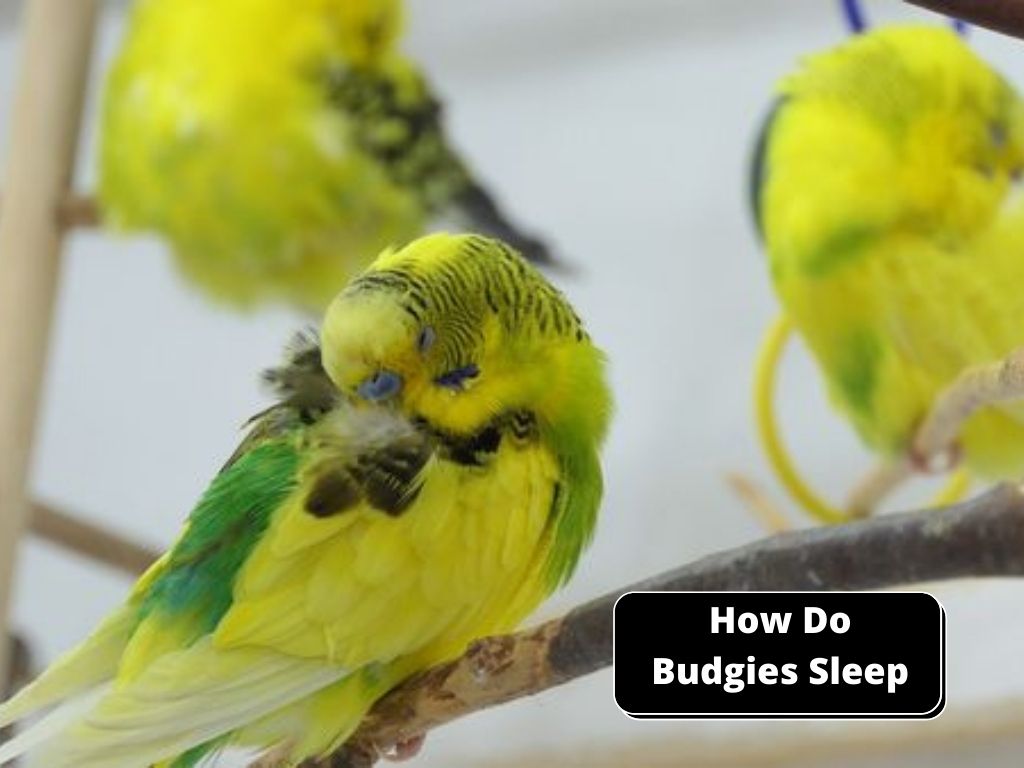
Dreaming, of Course! Just like us, budgies experience REM sleep – that's the stage where dreams happen. It's believed that their little chirps and songs during sleep are a reflection of their dreams. Maybe they're dreaming of vast fields of millet spray, epic flying adventures, or maybe even scolding that particularly noisy vacuum cleaner. Imagine them having little birdy soap operas going on in their heads! Isn't that precious?
Must Read
Memory Consolidation: The Budgie Brain at Work. Think of it like this: You cram all day for an exam, and then that night, your brain sorts through everything, filing it away for later use. Budgies do something similar! They learn a lot during the day – new words, new sounds, new perches to conquer. Singing in their sleep might be their way of practicing and solidifying these new skills and experiences. It's like a mental rehearsal for being the best darn budgie they can be!
Feeling Secure and Content. Believe it or not, a quiet chirp or a soft song can actually be a sign of a happy, well-adjusted budgie. If they feel safe and comfortable in their environment, they're more likely to relax and let out those little sleep-songs. It's their equivalent of a human sigh of contentment. Consider it a feathered thumbs-up for your care!

Why Should You Care About Budgie Sleep Songs?
Okay, so they sing in their sleep. Big deal, right? Actually, it is a pretty big deal! Here’s why:
It’s a Window into Their Well-being. If your budgie is suddenly not singing in their sleep when they usually do, or if their nighttime chirps sound distressed or frantic, it could be a sign that something is wrong. Maybe they're not feeling well, or perhaps their environment is no longer making them feel secure. Think of it as a subtle alarm bell. It's like when your cat stops purring – you know something's probably up.

It Helps You Understand Their Personalities. Some budgies are naturally more vocal than others, even in their sleep! Observing their nighttime chirps can give you clues about their personalities and how they process information. Maybe yours is a chatterbox dreamer, while another is a quiet, contemplative sleeper. It is a little insight into what makes them tick.
It Makes You a Better Budgie Parent. By understanding why they sing in their sleep, you can create a more comfortable and stimulating environment for your budgie. Are they getting enough interaction during the day? Is their cage in a safe and quiet location? Are they exposed to new things to learn and mimic? All of these things affect their happiness and, therefore, their sleep songs!
What If They're Too Loud?
Okay, let's be real. As much as we love our budgies, constant chirping at 3 AM isn't exactly ideal for your sleep. So, what can you do?

Rule out Stressors. First, make sure there's nothing bothering them. Is there a nightlight shining too brightly into their cage? Is there a draft? Are there loud noises coming from outside? Address any potential stressors first.
Establish a Routine. Budgies thrive on routine. Make sure they have a consistent bedtime and wake-up time. Covering their cage at night can also help signal that it's time to sleep. It’s like telling your kids: “Okay, story time, then lights out!”.
White Noise. A gentle white noise machine can help drown out any outside disturbances and create a more calming environment for both you and your budgie. It will give him the same quiet and relaxed sleep as you.
Consult a Vet. If the nighttime vocalizations are excessive or accompanied by other signs of illness, it's always best to consult with an avian veterinarian. There might be an underlying medical condition contributing to the problem.
Embrace the Budgie Ballad!
Ultimately, a little bit of nighttime chirping is perfectly normal and even endearing. So, the next time you hear your budgie singing in their sleep, take a moment to appreciate the little symphony. It's a sign that they're happy, healthy, and dreaming sweet budgie dreams. And who knows, maybe you'll even start dreaming of millet spray and epic flight adventures too! You might just become a budgie whisperer in your sleep!