There are few sounds as instantly jarring, as utterly panic-inducing, as the high-pitched shriek of your carbon monoxide alarm. One moment you're blissfully scrolling, sipping tea, or perhaps even napping, and the next, your home transforms into a blaring sirenscape. Your heart leaps into your throat, and a cold dread washes over you. What now?
For most of us, that first blare sends us scrambling. We imagine the worst-case scenario, picturing invisible, odorless dangers lurking in every corner. But what if the story behind that piercing noise is less a chilling thriller and more of a quirky domestic comedy? What if your alarm is just trying to tell you something a little less terrifying, perhaps even a bit humorous?
The Great Alarm Mystery Begins!
The initial reaction is always the same: a frantic sweep of the house. You sniff the air like a bloodhound, though you know you can't smell it. You check the stove, peer at the water heater, and eye the furnace with newfound suspicion. Your mind races through every news story you've ever heard, every public service announcement.
Then, often, comes the head-scratching. No obvious culprit. No burning smell. No visible smoke. Just that relentless, ear-splitting BEEP-BEEP-BEEP, mocking your inability to find the danger. It’s in these moments of bewilderment that the real, often surprising, reasons for your alarm's outburst start to emerge.
The Usual Suspects: When the Alarm is Just Being... Itself.
Sometimes, your alarm is just trying to tell you it’s time for its own retirement party. These clever devices don't last forever. They come with an expiry date, typically around seven to ten years from their manufacture date.
Imagine Nana Jean, whose alarm went off every evening right around prime-time TV. After weeks of jumping out of her favorite armchair, convinced her kettle was plotting against her, her grandson finally checked the back. There, in faded print, was the expiry date – long past! The alarm wasn't detecting danger; it was simply announcing its own, very scheduled, farewell. It was less a warning and more a gentle, persistent reminder: "My shift is over, folks!"
Then there are the battery blues. We often mistake the low-battery chirp, a quieter but equally annoying sound, for the full-blown CO alert. This usually happens in the dead of night, of course, transforming a simple battery change into a full-scale, groggy investigation in the dark.
Why Is My Carbon Monoxide Detector Going Off? What To Do
Dad once spent an hour wandering his house at 3 AM, convinced a rogue carbon monoxide ghost was hiding somewhere. He checked every vent, every appliance, only to realize, with a groan, that the tiny chirp was coming from the hallway smoke detector – just letting him know it was time for a fresh triple-A. The relief was palpable, even if the sleep deficit was real. It was a classic "facepalm" moment, but a harmless one.
The Accidental Alarms: When Everyday Life Triggers a Scare.
Our alarms are sensitive, and sometimes, that sensitivity can be a bit of a drama queen. Take aerosols, for example. Hairspray, deodorants, air fresheners, even certain cleaning products can temporarily overwhelm the sensor. The alarm picks up on the chemicals, mistaking them for something far more sinister.
Aunt Carol, known for her perfectly coiffed hair, once triggered her alarm after a particularly enthusiastic morning styling session. She’d just finished her signature "helmet hold" with a generous cloud of hairspray when the alarm shrieked. Her neighbors, hearing the commotion, rushed over, only to find Carol sheepishly airing out the bathroom, her elaborate updo still miraculously intact. It was a moment of shared laughter, and a surprising lesson learned about chemical compounds.
Cooking can also be a culprit, especially if you’re a culinary adventurer. Burnt toast, an oven that needs a good cleaning, or even just heavy frying can produce enough fumes to set off a sensitive CO detector. It’s an alarm not for a deadly gas, but for a slightly overcooked dinner.
Why is My Carbon Monoxide Alarm Going off: Causes & Solutions
Remember Uncle Bob’s annual holiday cookie disaster? One year, his famed (and frequently burned) gingerbread cookies led to an unscheduled visit from the fire department, much to the amusement of the rest of the family. The carbon monoxide alarm simply thought the smoke and fumes were a bigger problem than they actually were, making Bob’s cooking the star of an unintended show. His burnt offering became a family legend, proving that sometimes, alarms just have strong opinions about your baking skills.
Even outdoor activities can sometimes cause a kerfuffle. If you’re grilling on the patio, and a window is open nearby, those delicious barbecue fumes can waft straight into your home, tricking the sensor. It’s your alarm expressing its concern, or perhaps, its hunger.
One summer evening, our neighbors were enjoying a backyard BBQ, the tantalizing smell of smoky ribs filling the air. Suddenly, their CO alarm blared! After a panicked dash around the house, they realized the strong charcoal smoke, drifting through an open kitchen window, was the "danger." The alarm just really, really didn't like the smell of their perfectly seasoned ribs. It was a reminder that sometimes, the biggest threat is just a particularly aromatic dinner.
The "Wait, Really?" Moments: Surprising but Important Discoveries.
While many alarms are false, some point to real, albeit easily fixable, issues. The idling car in the attached garage is a classic example. You pull in, unload the groceries, and get distracted, leaving the car running. Even with the garage door open, exhaust fumes can seep into your home, especially if there's a door connecting the garage to your living space.
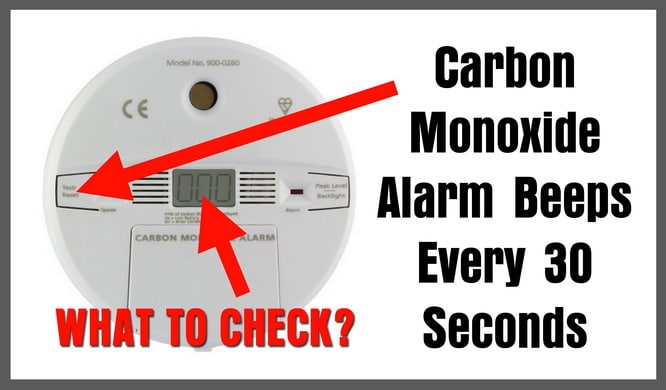
Carbon Monoxide Alarm Going Off Every 30 Seconds - What To Check?
Sarah once experienced this after a long day of errands. She'd parked her car, dashed inside to grab her toddler, and then completely forgot about the engine still humming away. Ten minutes later, the alarm screamed. It was a stark reminder of how quickly seemingly innocuous actions can create a hazard, and how important that loud guardian truly is. The relief of realizing the simple cause was immense, followed by a quick dash to the garage to turn off the car.
Another surprising trigger can be a fireplace or wood stove, especially if it's not drawing properly. A clogged chimney, a sudden downdraft, or even forgetting to open the flue all the way can send smoke and combustion byproducts back into your home. It’s an easy fix, but one that your CO alarm won’t hesitate to highlight.
During a cozy winter night, nestled by a crackling fire, The Millers were enjoying a peaceful evening. Suddenly, the alarm shattered the tranquility. Turns out, a particularly gusty wind had created a backdraft, pushing smoke and unseen gases back down the chimney and into their living room. The alarm, though startling, turned a potentially dangerous situation into a simple matter of adjusting the damper and checking the flue. It was a dramatic interlude that reminded them to appreciate their fire, and their alarm, even more.
In all these scenarios, the alarm isn't just a nuisance; it's a vigilant sentry. It's the loudest, most persistent friend you have, constantly on watch, even if it sometimes overreacts to your cooking or your personal grooming habits. Its job is to be paranoid, so you don't have to be.
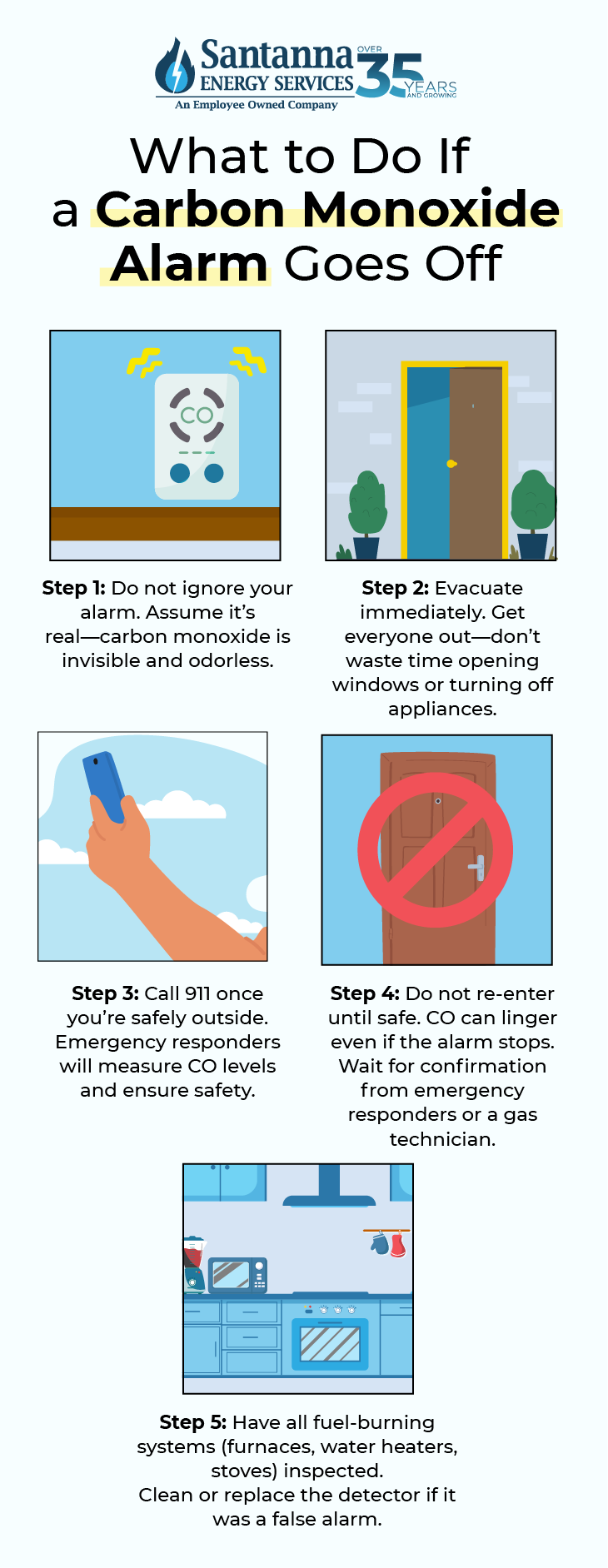
What to Do if a Carbon Monoxide Alarm Goes Off
The Unsung Hero: Why We Still Love Our Noisy Lifesavers.
Even when a carbon monoxide alarm goes off for a seemingly silly reason, it’s always a good thing. It means the sensor is working, it’s alive, and it’s doing its job. Think of it as a fire drill, but for an invisible threat. Each false alarm teaches us a little more about our home, our habits, and the quirks of our protective devices.
These alarms force us to pause, investigate, and consider potential dangers we might otherwise ignore. They remind us to check our appliances, ensure proper ventilation, and replace old detectors. It's a small dose of adrenaline that ultimately makes us safer and more aware.
Sometimes, the alarm's sensitivity might even highlight something before we do. Our pets, being smaller and having faster metabolisms, can show subtle signs of CO exposure before humans. If Whiskers the cat seems unusually lethargic or unwell before the alarm blares, it's an even bigger wake-up call. Your furry friend might be an early warning system, working in tandem with the mechanical one.
So, the next time that piercing sound fills your home, take a deep breath. Yes, investigate thoroughly and prioritize safety. But also, take a moment to appreciate this noisy little guardian. It might be saving your life, or it might just be complaining about your toast, or perhaps even celebrating its own birthday.
It’s a loud, sometimes inconvenient, but ultimately heartwarming reminder that something out there is watching over you and your loved ones. And in a world full of silent threats, a little bit of noise can be a very welcome sound indeed. Embrace the drama, learn the lesson, and thank your little alarm for being such a dedicated, if sometimes overzealous, protector.