Why Did Freddie Thorne Leave Peaky Blinders

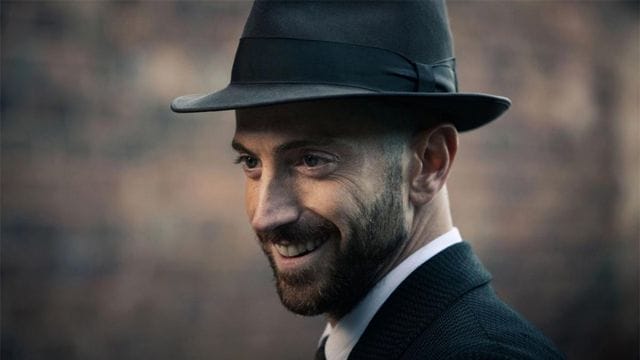
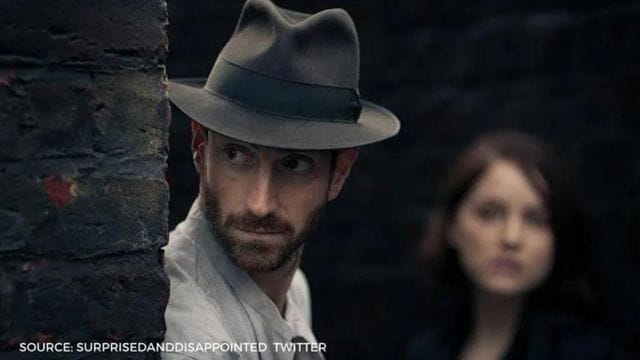
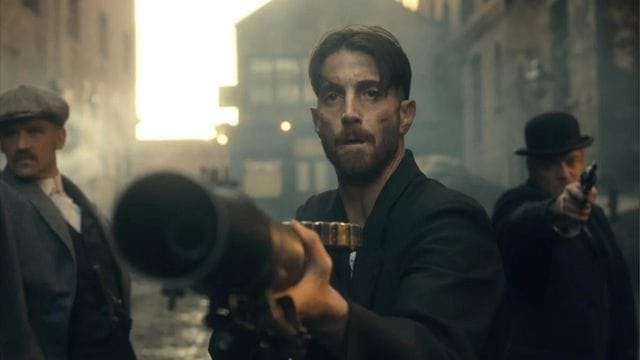
Peaky Blinders. Just the name conjures up images of smoky Birmingham streets, razor-sharp cheekbones, and a soundtrack that somehow makes flat caps intimidating. The show, a cultural phenomenon, gripped audiences with its compelling characters and gritty portrayal of post-WWI England. Among these characters, Freddie Thorne, the charismatic communist and Ada Shelby's love interest, stood out. But then... he was gone. So, why did Freddie Thorne leave Peaky Blinders? The answer, surprisingly, isn't buried in a Birmingham back alley, but rather in the career trajectory of the actor who played him, Iddo Goldberg.
For aspiring actors, hobbyists dreaming of the spotlight, or even those simply curious about the entertainment industry, Freddie Thorne's departure offers a valuable lesson: sometimes, leaving is the best move for artistic growth. Consider the benefits: branching out allows actors to showcase their versatility, avoid being typecast, and explore different genres and character types. This translates to a broader skillset, a richer resume, and increased opportunities. Think of it as artistic diversification, ensuring your portfolio isn't solely reliant on one specific role or style.
Goldberg's career post-Peaky Blinders provides a perfect example. While Freddie Thorne was a working-class revolutionary, Goldberg has since taken on roles ranging from a tech mogul in Snowpiercer to a scientist in Salem and even a fictional version of Isaac Asimov in Foundation. This demonstrates a remarkable range, proving he's far more than just a flat-cap wearing communist. Other actors have followed similar paths. Remember Dominic Cooper as the charming villain in Captain America: The First Avenger? He later starred in the wildly different and often unsettling Preacher. Or how about Michelle Dockery, best known as Lady Mary Crawley in Downton Abbey? She's since explored roles in thrillers and action films, showcasing her adaptability.
Must Read
So, how can we apply this "leave to grow" philosophy to our own creative pursuits at home? Challenge yourself! If you're a painter who always works in landscapes, try portraiture. If you're a writer who sticks to romance, delve into a science fiction short story. If you're a musician who only plays acoustic guitar, pick up an electric and experiment with different genres. Don't be afraid to fail; every attempt, even a less-than-perfect one, expands your skills and knowledge.
Here are some quick tips for expanding your creative horizons: * Set small, achievable goals: Don't aim to write a novel in a week. Start with a short story or poem. * Find inspiration outside your comfort zone: Watch a documentary about a topic you know nothing about, or listen to music from a different culture. * Embrace collaboration: Working with other artists can expose you to new ideas and techniques. * Don't be afraid to experiment: Try different mediums, styles, and techniques. There are no rules!
Ultimately, the story of Freddie Thorne's departure from Peaky Blinders, and the subsequent growth of Iddo Goldberg's career, highlights the joy of creative exploration. Stepping outside your comfort zone, embracing new challenges, and constantly learning are not just beneficial for professional artists, but for anyone seeking personal growth and a deeper appreciation for the creative process. It's about the pure, unadulterated fun of discovering new passions and pushing your own boundaries. And that's an adventure worth taking, even if it means saying goodbye to a beloved character.