
Why Are Trek Bikes So Expensive
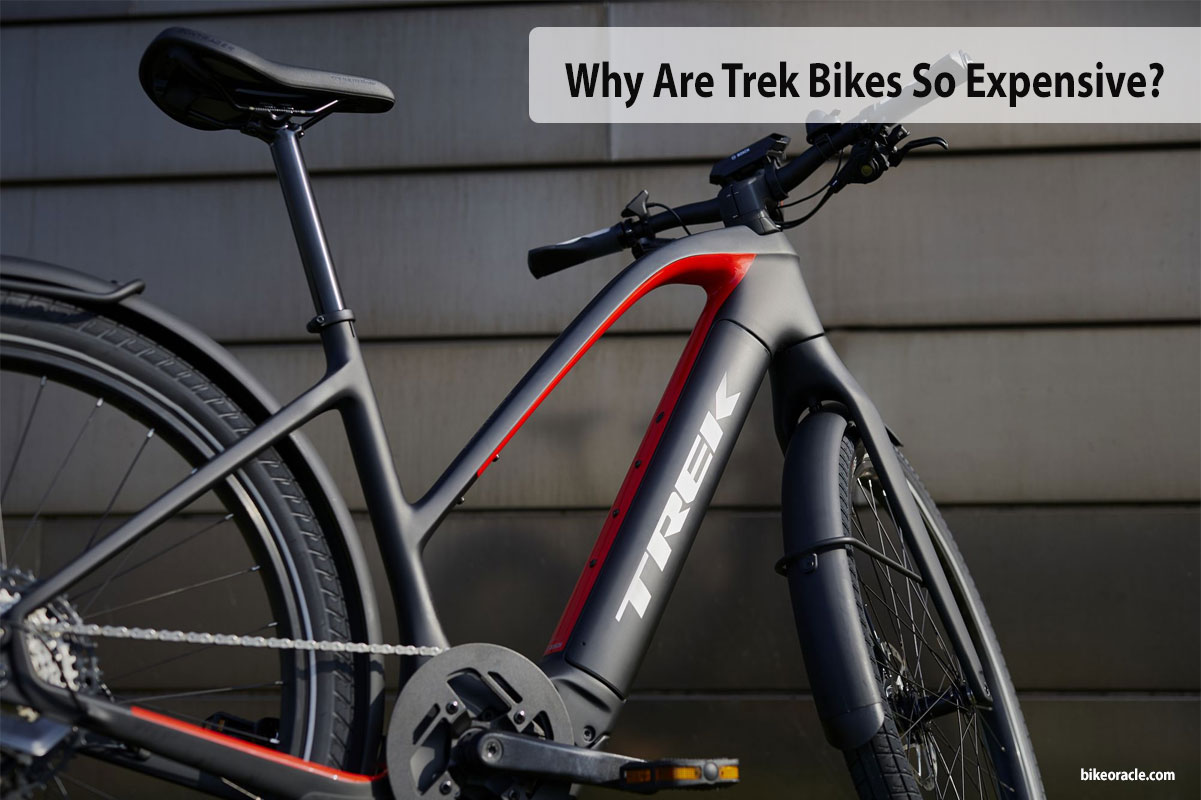
Hey, so you're wondering why Trek bikes cost more than, like, a decent used car? I get it. It's a question we've all pondered while drooling over shiny new bikes at the local shop. Let's break it down, shall we?
It's All About the Benjamins… I Mean, Materials!
First off, let's talk about the bones of the beast: the frame. Trek, like many high-end brands, uses some seriously fancy materials. We're talking about carbon fiber that's lighter than air (okay, slight exaggeration, but you get the idea!) and incredibly strong. And guess what? Fancy materials cost fancy money! They don't just grow on trees, you know. Although, imagine if they did… that'd be a game changer!
Then there's the aluminum. Trek uses different grades, with the higher-end ones being, well, higher-end. Think meticulously engineered alloys designed to be both lightweight and durable. It's not your grandma's aluminum foil, that's for sure! Okay, maybe your really tech-savvy grandma's aluminum foil.
Must Read
Basically, they're not just slapping metal together and calling it a day. There's a whole lot of science-y stuff happening behind the scenes. Engineering, even! Who knew?
Components: The Guts of the Operation
Now, let's peek inside. A bike frame is nothing without its components, right? Trek usually decks out their bikes with top-notch gear from Shimano, SRAM, and other reputable brands. Think smooth-shifting gears that make you feel like you're gliding uphill (again, slight exaggeration, but a guy can dream!), powerful brakes that stop on a dime, and durable wheels that can handle some serious abuse. And these components? Yeah, they cost a pretty penny too.
![Why Are Trek Bikes So Expensive? [ A Pro Cyclist Answers]](https://cyclepedal.com/wp-content/uploads/Trek-bike-1.jpg)
You might be thinking, "Can't I just buy cheaper components?" Sure, you could. But you'll probably notice a difference in performance, reliability, and longevity. It's like the difference between that gas station coffee and a perfectly brewed latte from your favorite barista. Both coffee, but… worlds apart!
R&D: They're Not Just Winging It!
Trek invests heavily in research and development. We're talking about engineers, designers, and testers working tirelessly to create the next best thing in cycling. They're tweaking frame geometries, testing new materials, and pushing the boundaries of what's possible. And all that experimentation doesn’t come cheap. Think wind tunnels, prototypes, and countless hours of testing. It’s a whole thing.
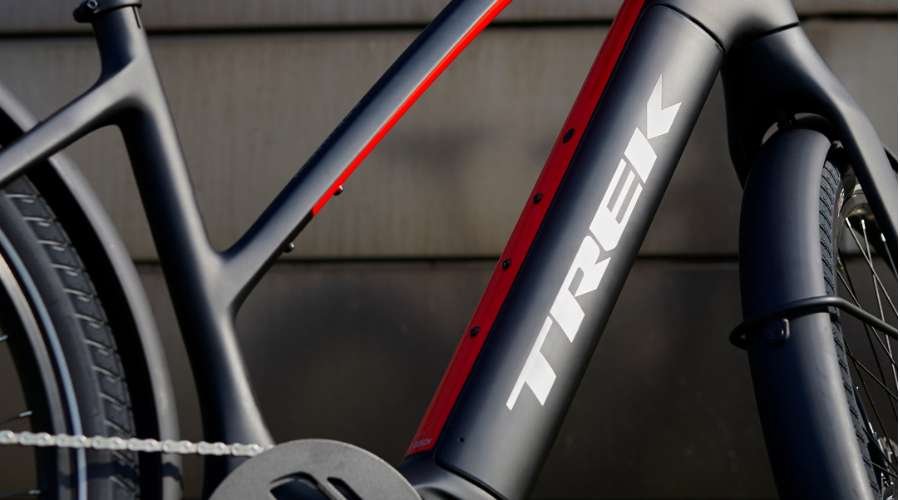
This R&D translates into better handling, improved comfort, and increased efficiency. So, you're not just paying for the bike itself; you're paying for the innovation and expertise that went into creating it. Are they overcharging? That's up for debate, but remember, no one invests in R&D for free.
Brand Recognition (and a Little Bit of Snob Appeal, Let's Be Honest)
Okay, let's be real. Trek has a strong brand reputation. They've been around for ages, they sponsor professional cycling teams, and they're known for producing quality bikes. And that brand recognition comes with a premium. It's like buying a designer handbag – you're paying for the name as much as the product itself. Is it worth it? That's a personal choice. But let's face it, rolling up on a Trek just feels different, right? (Don’t deny it!)

Plus, let’s not forget the dealer network. Trek has a large network of authorized dealers who provide expert service and support. This is great! But it adds costs that other bike sellers may not have.
So, Is It Worth It?
Ultimately, whether a Trek bike is "worth" the price is up to you. If you're a serious cyclist who values performance, quality, and innovation, then a Trek might be a worthwhile investment. But if you're just looking for a basic bike to ride around town, you can probably find something cheaper that will suit your needs just fine. Just remember you often get what you pay for, and a cheaper bike may end up costing you more in the long run with repairs and upgrades. The sweet spot for most people is probably somewhere in the middle… maybe? It's all a balancing act!
Just something to think about as you’re out there bike shopping. Happy trails!
![Why Are Trek Bikes So Expensive? [Trek Bikes Prices] - Bike Loyal](https://bikeloyal.com/wp-content/uploads/2022/09/Why-Are-Trek-Bikes-So-Expensive.jpg)