
Why Are Electrical Wires Covered With Plastic Instead Of Metal
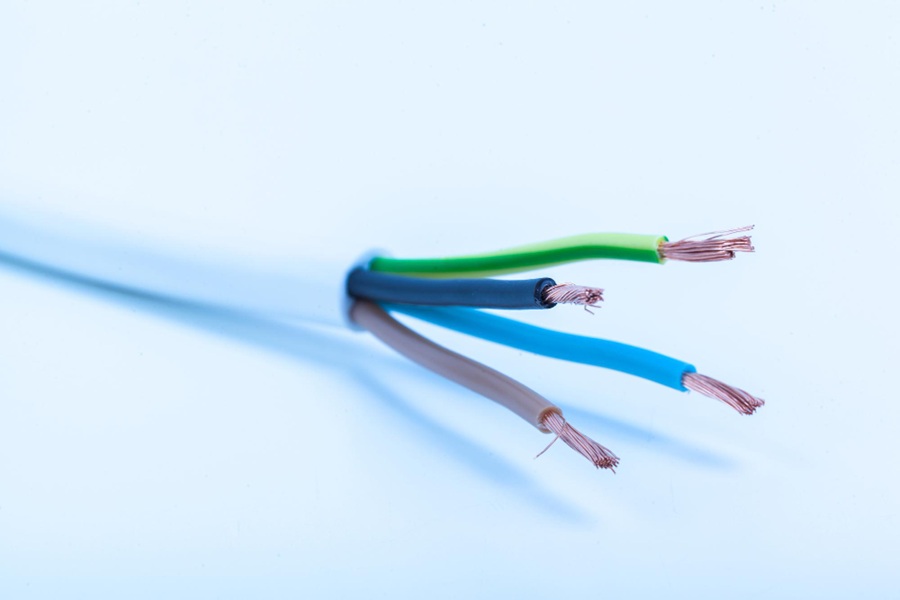
Remember that one time you were a kid, maybe a bit too curious for your own good? I certainly do. My dad had this old, beat-up extension cord he used for his power tools in the garage. One day, I saw a tiny crack in its rubbery skin, and being the budding scientist (read: nosy kid) I was, I decided to poke at the exposed copper thread inside with a metal ruler. Big mistake. Before my little metal conductor could complete its destiny with the live wire, my dad swooped in faster than a hungry seagull at the beach, swatting my hand away and giving me the look. "Never, ever touch bare wires!" he boomed, and then mumbled something about "insulation."
That moment stuck with me. Why was that copper, which clearly needed covering, wrapped in something that felt like... well, plastic? And why not, say, another layer of metal? Wouldn't that be stronger? This seemingly simple question, my friend, opens up a rather electrifying (pun absolutely intended) rabbit hole.
So, Why Plastic, You Ask?
Let's cut to the chase: the main reason electrical wires are covered in plastic is all about safety. Seriously, it's the MVP of wire coverings.
Must Read
The Superpower of Plastic: Insulation!
Imagine electricity as a super-energetic, but also super-dangerous, marathon runner. You want that runner to stay on a very specific track, right? You don't want them veering off into the crowd or, even worse, into your living room. The metal wire (usually copper or aluminum) is that track, guiding the electricity. The plastic coating? That's the unbreakable barrier, the invisible fence keeping our speedy runner exactly where they need to be.
Plastic, specifically compounds like PVC (polyvinyl chloride) or various rubbers, is what we call an electrical insulator. This means it's incredibly poor at conducting electricity. And "poor" in this context is a good thing. Think of it like trying to teach a cat to fetch – it's just not going to happen efficiently, or safely for that matter.
Without this plastic shield, those naked wires would be a constant invitation to chaos. One brush against your finger? Zzzzap! That's an immediate electrical shock, and trust me, it's not the fun kind you get from rubbing your feet on carpet. Two bare wires accidentally touching? That's a short circuit, which can cause sparks, melt wires, and potentially start a fire. Not exactly ideal for a cozy evening at home, is it?
Beyond Safety: Practical Perks
While safety is paramount, plastic brings a few other neat tricks to the table that make it an ideal choice:
- Flexibility: Have you ever tried to bend a thick metal rod? It’s tough, right? Plastic is incredibly flexible. You can coil wires, thread them through walls, and bend them around corners without them snapping or cracking. This is crucial for practical installation and everyday use. Imagine trying to plug in your phone with a stiff, unyielding metal-wrapped cable – pure torture!
- Durability: Modern plastics are tough cookies. They resist abrasion, moisture, chemicals, and extreme temperatures (within reason, don't go sticking your phone charger in the oven, okay?). This means your wires last longer and stand up to the rigors of being, well, wires.
- Cost-Effective: Let's be real, price matters. Manufacturing plastic insulation is generally much cheaper than using an alternative metal casing. This helps keep the cost of everything from your TV's power cord to your home's entire wiring system, well, grounded.
- Lightweight: If your wires were wrapped in heavy metal, imagine how much heavier and more cumbersome every appliance and electrical installation would be. Plastic keeps things light and manageable.
But Wait, Why Not Metal, You Smarty Pants?
This is where the irony comes in, and it's a good question to ponder if you're thinking purely about strength. "Metal is strong! Why not cover metal with more metal?"
Here's the kicker: metal conducts electricity! Remember our marathon runner? If you put a metal barrier around the track, it's not a barrier anymore; it's just more track. Any electricity escaping the inner wire would immediately travel through the outer metal casing, making the entire wire, and potentially anything it touches, live and dangerous.

Think about it: if your extension cord had a metal sheath, and there was a tiny flaw in the inner insulation, that metal sheath would become electrified. The moment you picked up the cord, poof! You'd complete the circuit and get a shock. And if it touched another metal object, say, your refrigerator, that would also become live. We'd be living in a world of constant electrical booby traps. No thanks!
The Bottom Line
So, while metal wires are fantastic for carrying electricity, they need a dedicated bodyguard to keep that electricity in line. And for that job, plastic is simply superior. It's the perfect blend of safety, flexibility, durability, and cost-effectiveness. It silently, reliably, and incredibly effectively keeps that powerful current exactly where it should be – making our modern, electrified lives possible and, most importantly, safe.
Next time you plug in your phone or flip a light switch, take a moment to appreciate that humble plastic coating. It's working hard, protecting you from an invisible force, all while letting you binge-watch your favorite show without a single spark of drama. You're welcome, little plastic hero!
