
Wholesale Electricity Prices By State
Ever wonder about electricity? Like, really wonder? Beyond just the bill that lands in your mailbox, often with a thud that feels heavier than paper?
We all flip switches. Lights come on. Toasters toast. But have you ever stopped to think about the invisible journey of those electrons? And more importantly, the invisible price tag attached before it even reaches your home?
Here's my slightly "unpopular" opinion: It’s absolutely wild how different the price of electricity is from state to state. Not just for us, the end users, but way, way upstream. We're talking about wholesale electricity.
Must Read
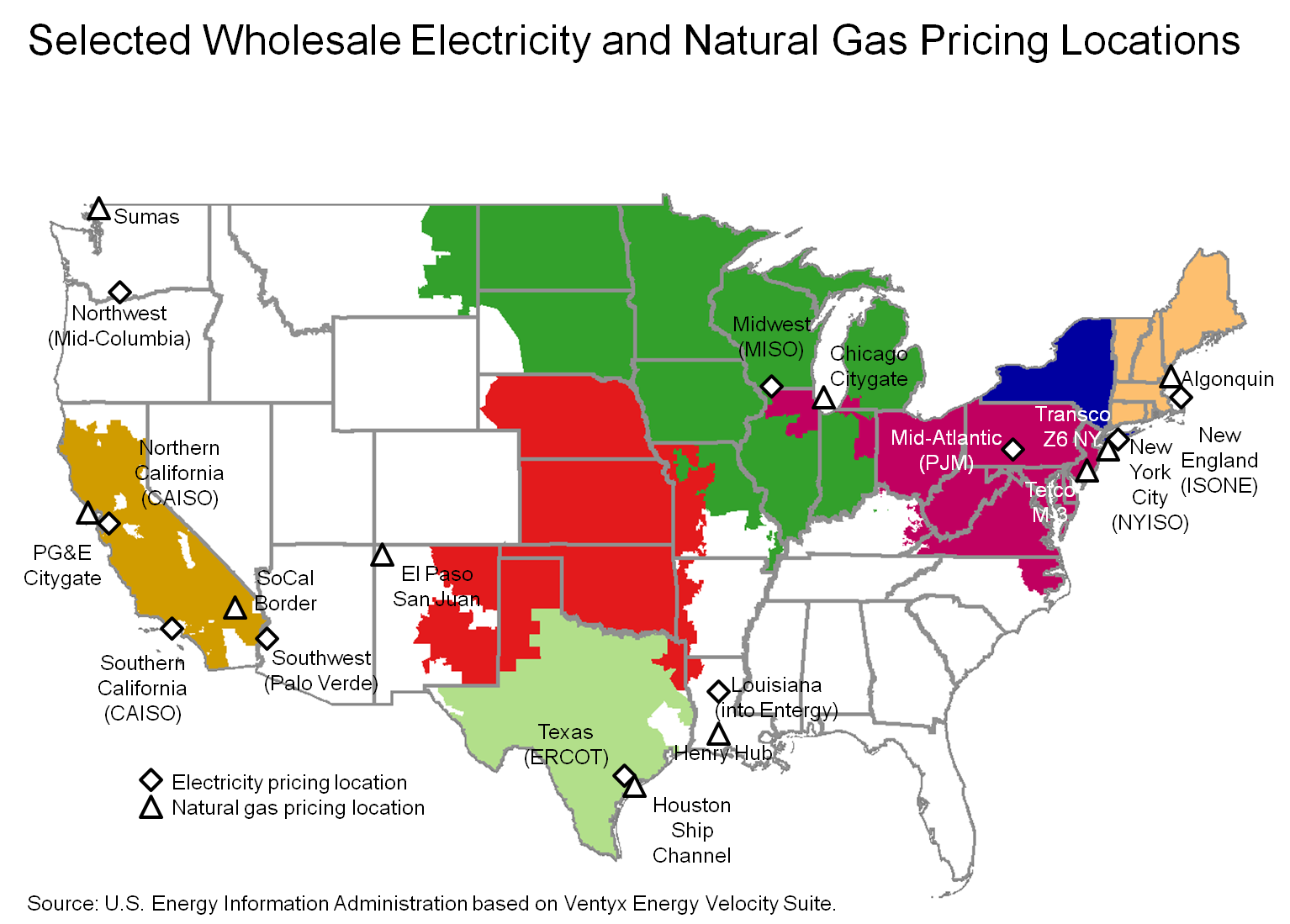
Imagine a giant secret marketplace where power plants sell their electron goodies to utility companies. This isn't your local farmers' market. This is the big league, where states play for power, quite literally.
And the prices? Oh, they're not a flat rate like a standard subscription. They bounce around more than a super ball in a bouncy castle. And the differences between states are utterly fascinating, if you ask me.
The Hidden World of Wholesale Power
Most of us just see our monthly bill. We might grumble about it, sure. But very few of us are tracking the per-megawatt-hour price of power in, say, Iowa versus Maine.
And why would we? It sounds incredibly nerdy. But it’s also incredibly impactful. The wholesale price is the foundational cost. It's like the ingredient cost for a chef. It trickles down, eventually shaping what we pay.
So, let's pull back the curtain on this quirky, often overlooked corner of our energy world. Prepare to be mildly amused, and perhaps a tiny bit indignant, at the sheer randomness of it all.
The Lucky Ducks: States with Lower Wholesale Prices
Some states are like the kids who always find money in old jacket pockets. They consistently enjoy lower wholesale electricity prices. Think of them as the champions of cheap juice.
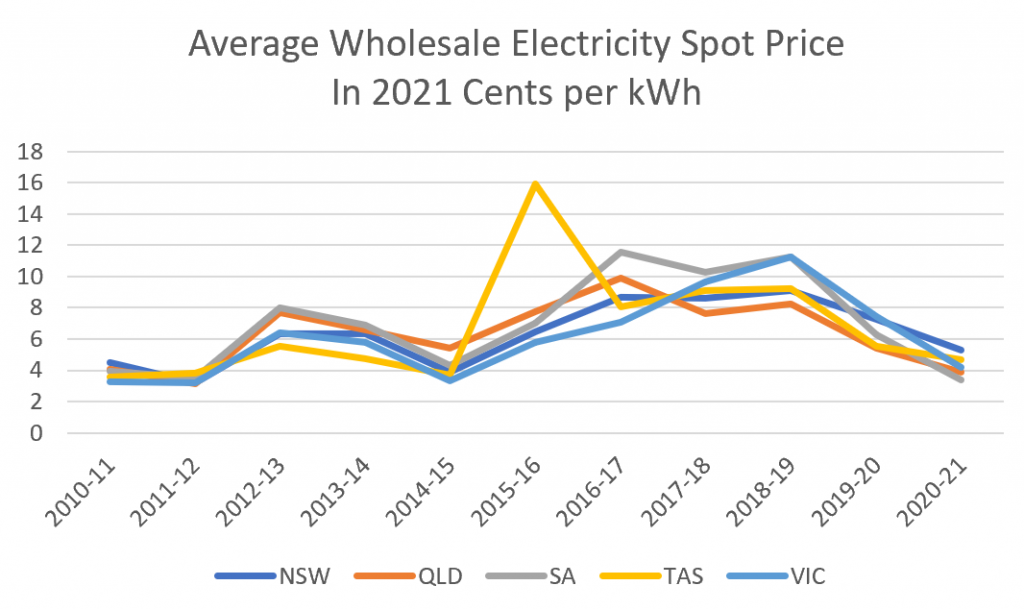
Take Washington State, for instance. They're practically swimming in hydropower. All that glorious water rushing down from the mountains turns turbines. It’s like having a free energy fountain in your backyard.
Their wholesale prices can be significantly lower than other regions. It's a natural advantage, a geographic lottery win. Good for you, Washington!
Then there's Idaho. Another hydropower hero. Lots of rivers, lots of potential energy. They get to enjoy some seriously competitive prices on the wholesale market. It’s almost unfair, in a fun way.
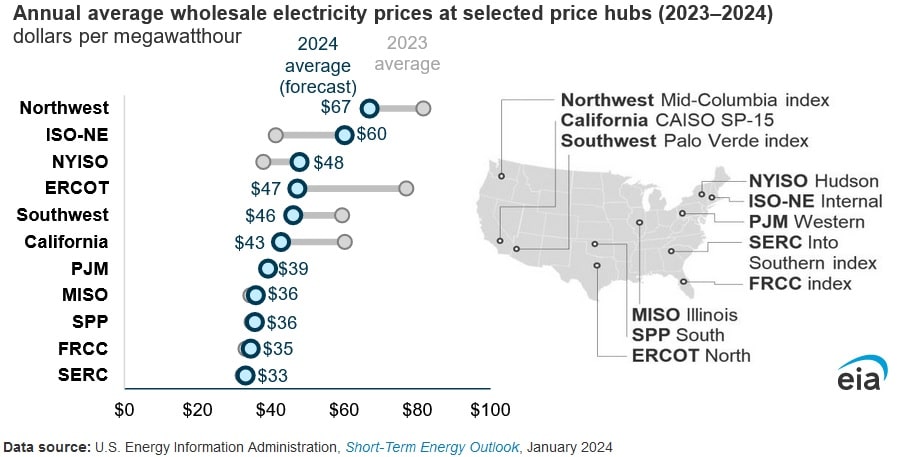
And let's not forget about Texas, with its famously independent grid, ERCOT. They have a mix of everything: natural gas, wind, solar. This diverse energy mix and unique market structure can often lead to more competitive, and sometimes lower, wholesale prices.
Of course, Texas has its moments, like dramatic price spikes during extreme weather. But generally, they are often in the lower tier for wholesale costs. It's a high-stakes energy game they play down there.
These states have, for various reasons, a structural advantage. Their utilities buy power for less, which should, in theory, translate to happier residential customers. Fingers crossed!
The High Rollers: States with Higher Wholesale Prices
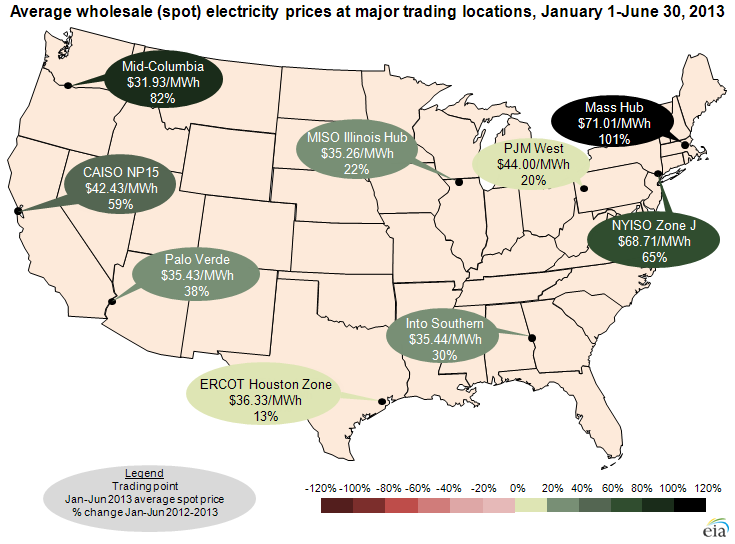
Now, let's look at the other side of the coin. Some states feel like they're playing a perpetual game of high-stakes poker when it comes to wholesale electricity. Their prices are often significantly steeper.
Consider the New England states: Massachusetts, Connecticut, Rhode Island. Ouch! Their wholesale prices can frequently make you wince.
They often rely heavily on natural gas, which can be expensive to transport to the region. Plus, their infrastructure is older, and demand is high in dense urban areas. It's a recipe for pricier power.
It's like they're paying for premium, imported electrons. They don't have those massive hydro dams or vast, sunny plains for cheap solar. It's a tough break for those chilly winters.
California is another state that often finds itself in the "high price" club. With ambitious renewable goals, aging infrastructure in some areas, and high demand, their wholesale market can be quite volatile and pricey.
It’s a complex dance between environmental aspirations and the practicalities of powering millions of homes and businesses. Sometimes, green energy comes with a bit of a green price tag, at the wholesale level.
These states don't have the same natural advantages. They face different challenges, leading to higher baseline costs for the energy companies. It’s a bit of an uphill battle, electrically speaking.
Why All the Drama? A Playful Peek
So, what causes this wild variation? It’s not just a cosmic roll of the dice. There are actual, albeit often technical, reasons. But we can simplify them playfully.
Fuel Source Roulette
Imagine a buffet. Some states get cheap, unlimited water-powered hydro. That's like the all-you-can-eat salad bar, super affordable. Other states rely on natural gas, which is more like ordering a fancy steak. Its price fluctuates with global markets, pipelines, and even the weather.
States with a lot of coal or nuclear power also have different cost structures. And the increasing amount of wind and solar introduces new dynamics. Sometimes free wind means cheap power. Sometimes no wind means expensive backup power.
Infrastructure Superhighway (or Dirt Road?)
Think about roads. Some states have modern, well-maintained superhighways for electricity. Others have bumpy, congested dirt roads. Getting power from where it's generated to where it's needed costs money. Newer, more efficient transmission lines mean less waste and lower costs.
Older grids, or grids with bottlenecks, can drive up prices. It's like paying extra for slow shipping because the roads are bad. Nobody wants that!
Market Structure Mayhem
Each state or region has its own way of buying and selling wholesale electricity. Some are highly regulated, others are more open markets. Texas's ERCOT is almost an entirely self-contained island. New England is part of ISO-NE, a larger regional market.
These different "rulebooks" influence competition, investment, and ultimately, the price. It's like different countries having different driving laws. It all impacts the journey.
"It’s not just about flipping a switch; it's about understanding the secret handshake of the wholesale power market."
It’s a Quirky, Costly World
So, the next time you flip a light switch, give a little nod to the incredible, hidden world of wholesale electricity. It's a dynamic, complex, and frankly, a bit quirky market operating behind the scenes.
It’s not just one price for power across America. It's a mosaic of fluctuating costs, influenced by geography, geology, policy, and a dash of good old-fashioned luck.
From the mighty rivers of the Pacific Northwest to the gas-fired plants of New England, every state is playing a different hand in the grand game of power economics.
Maybe it’s time we all became a little more aware of this silent drama. It certainly makes that monthly bill a little less mysterious, even if it doesn't make it any cheaper.
Who knew electricity could be such an adventure? Go forth and illuminate, but now with a knowing smirk for the wholesale market!