
Who Is The Decision Maker In A Company
Ever tried ordering pizza with a group of friends? You all have opinions, right? "Pepperoni!" "Veggie!" "No olives, PLEASE!" Getting everyone on the same page (and getting that delicious pizza delivered) requires knowing who's actually making the final call. It's the same deal with companies – except the pizza is, like, the entire business strategy.
The Mystery of the Decider
So, who is the decision maker in a company? It's not always as simple as pointing to the CEO. While the CEO might be the ultimate authority on the big, hairy, audacious goals (BHAGs as the business books call them!), decisions happen at all levels. Think of it like this:
Imagine you're planning a family vacation. Dad might be the CEO of "Vacation Planning, Inc.," approving the overall budget. But Mom's the VP of "Accommodation & Logistics," deciding which hotel to book. And little Timmy? He's the specialist in "Amusement Park Selection," wielding considerable influence (and possibly tantrums) over where you spend a day.
Must Read
Companies work similarly. Decision-making authority is often delegated. It's spread out among different roles and departments. Knowing where that authority lies is crucial. Why? Because it impacts everything.
Why Should You Care?
Okay, so you're probably not a CEO or a VP. But understanding who makes decisions affects you even if you're just a customer, an employee, or an investor (even a small one!).

For Customers: Let's say you have a complaint about a product. Complaining to the cashier might be cathartic, but will it actually change anything? Probably not. You need to find the person (or department) responsible for customer service policy. Knowing who to contact makes your voice heard.
Think of it as returning that sweater your grandma knitted. Complaining to the cat about the itchy wool won't get you a refund! You need to talk to Grandma (or, in a company, the right person who can actually fix the issue).

For Employees: Want to suggest a better way to do something? Pitching your idea to the office goldfish is unlikely to result in meaningful change. You need to know who's responsible for process improvement or innovation. Understanding the decision-making process allows you to be more effective and contribute to your company's success.
For Investors: Thinking about investing in a company? It's not just about the stock price. Who's leading the company? Do they have a clear vision? How are decisions made? Are they strategic and thoughtful, or impulsive and chaotic? Understanding the decision-making structure helps you assess the risk and potential of your investment.

Decoding the Decision-Making Hierarchy
So, how do you figure out who's in charge of what?
- Organizational Charts: These are like family trees for companies. They show the reporting structure and who answers to whom.
- Job Descriptions: They outline the responsibilities and authorities of each role.
- Company Culture: Some companies are very hierarchical, with decisions flowing from the top down. Others are more collaborative, with teams empowered to make their own choices. Observe how things actually work!
- Just Ask!: Don't be afraid to ask questions. "Who is the best person to talk to about this?" is a perfectly valid question.
Beyond the Obvious: Influence Matters
Here’s a secret: formal authority isn't everything. Influence also plays a big role. Sometimes, the most effective decision maker isn't the person with the title, but the person with the knowledge, experience, or the trust of their colleagues.
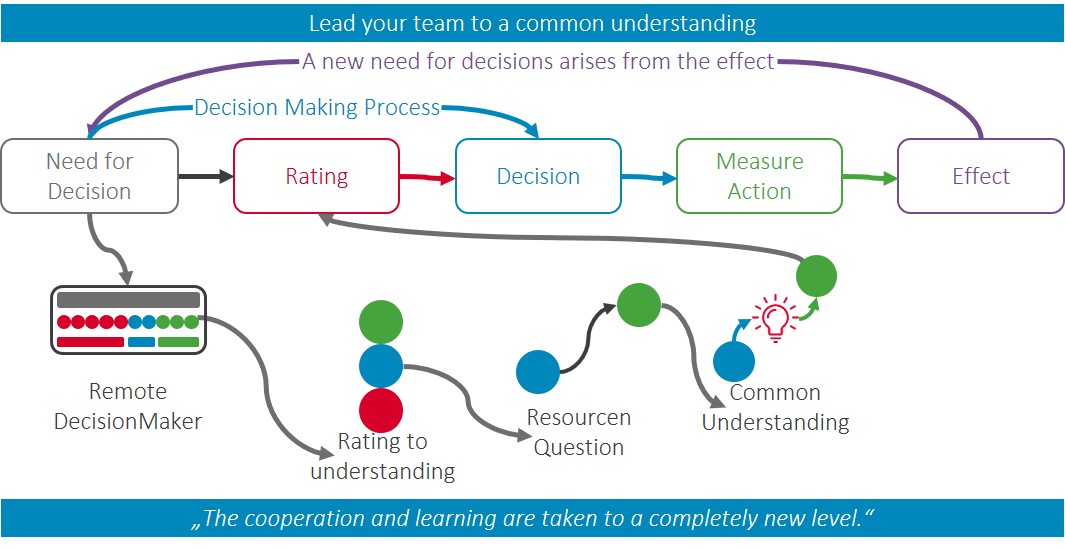
Imagine a software company. The VP of Engineering might technically "decide" which features get prioritized. But if a junior developer has identified a critical security flaw, their influence can (and should!) override the VP's initial plan.
Recognizing and leveraging influence is a key skill in any organization.
In Conclusion: Be a Decision-Making Detective!
Navigating the decision-making landscape of a company can feel like solving a mystery. But with a little observation, a dash of curiosity, and a willingness to ask questions, you can unlock the secrets and become a more effective customer, employee, or investor. And who knows? Maybe you'll even get that pepperoni pizza you were craving.