Who Is Responsible For Organizing Fire And Emergency Drills

Ever found yourself mid-sentence, perhaps enjoying a delicious lunch or deep in thought during a meeting, when suddenly, the unmistakable wail of a fire alarm pierces the air? Most of us have. That initial jolt, followed by the orderly (hopefully!) procession out of the building, is a common experience. But have you ever paused to wonder, who exactly orchestrates these drills? Who is the mastermind behind the timing, the routes, and the very idea of getting us all to practice walking out of a perfectly safe building? It's a surprisingly interesting question that touches on safety, responsibility, and community preparedness.
At its heart, the purpose of a fire and emergency drill is gloriously simple: to ensure that if a real emergency strikes, everyone knows what to do, where to go, and how to stay safe. These drills aren't just an annoyance; they are vital lifesavers. The benefits are manifold: they familiarize us with evacuation routes, reduce panic by replacing fear with practiced actions, and identify potential weak spots in an emergency plan (like a blocked exit or a confusing instruction). Ultimately, they build collective confidence that in a crisis, we can respond effectively and minimize harm. It's like rehearsing for a play where the stakes are incredibly high – everyone needs to know their lines and where to stand.
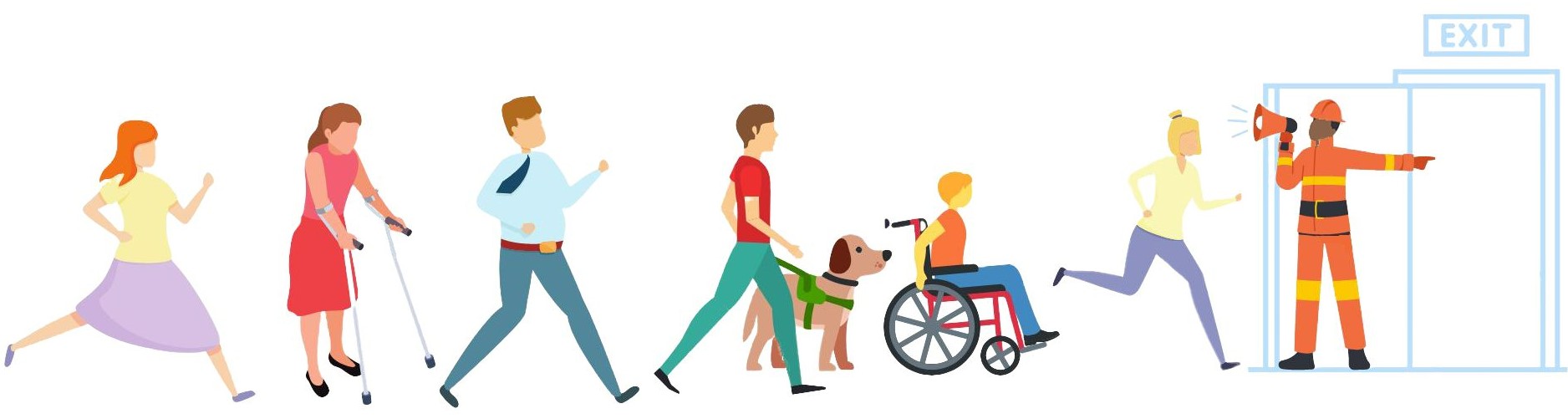
So, who’s holding the clipboard and blowing the whistle? The answer depends heavily on the context. In schools, it’s usually the principal, vice-principal, or a designated safety coordinator who takes the lead, ensuring teachers and students understand their roles. At your workplace, the responsibility often falls to the facility manager, human resources department, or a dedicated health and safety officer. They’re tasked with compliance, planning, and ensuring all employees are trained. For public buildings like shopping malls, hospitals, or airports, there’s typically a building management team or a specialized emergency preparedness committee. Even in residential buildings, your landlord or strata council might be responsible for organizing drills and sharing emergency information with residents. It's a broad spectrum, but the common thread is always a person or group assigned to safeguard occupants.
Must Read
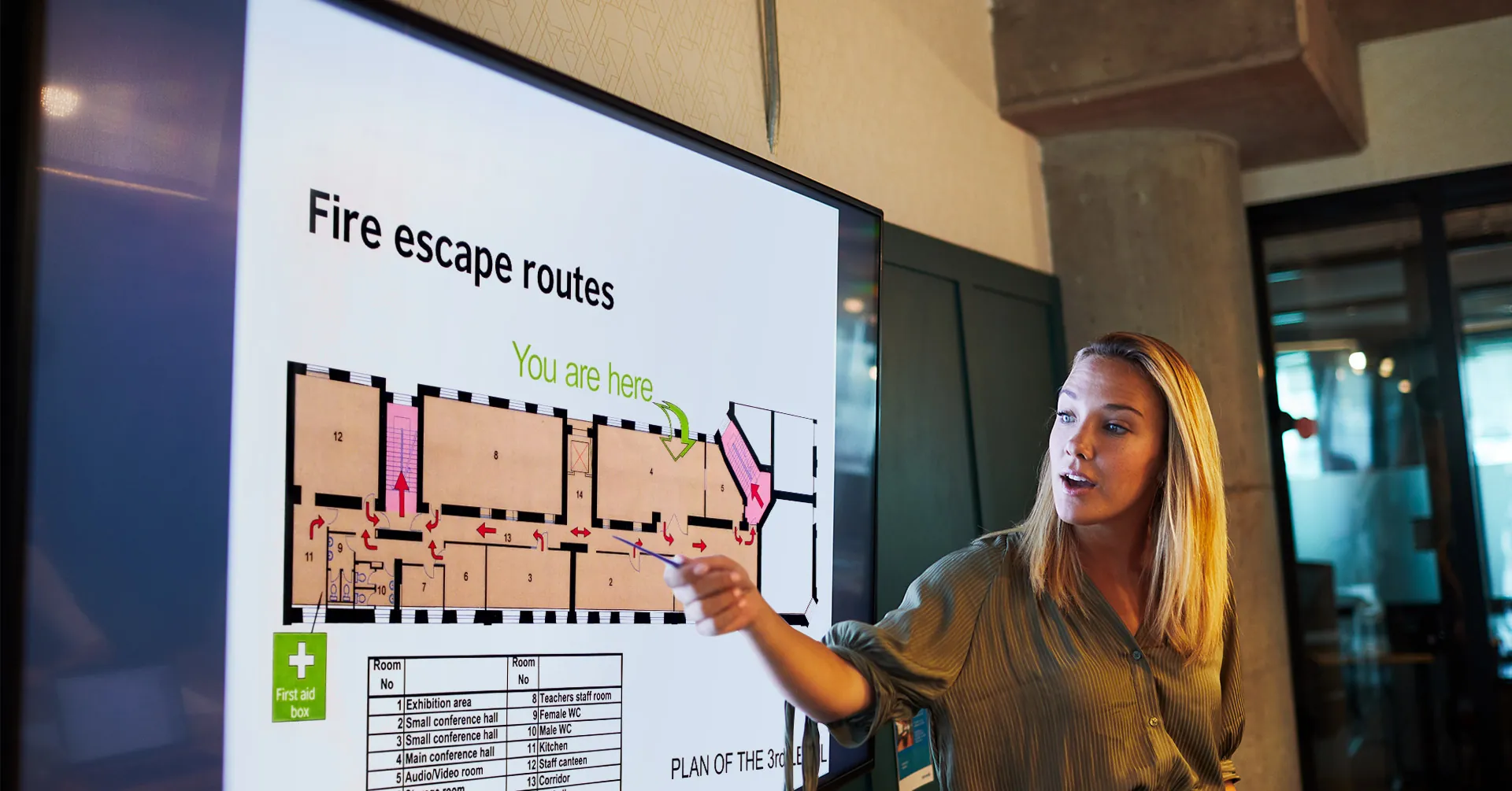
Curious to explore this further in your own life? It's easier than you think! A simple step is to look for the emergency plan posters in your workplace or a public building; they often list key contact persons or departments. Don’t be shy about asking your building manager or HR representative about your organization’s emergency procedures and who is responsible for them. You could even volunteer to be a fire warden if your workplace has such a program – it’s a fantastic way to understand the process firsthand. At home, discuss emergency plans with your family, identify a meeting point, and ensure everyone knows what to do. Understanding who organizes these crucial drills isn't just about curiosity; it's about empowering yourself with knowledge that could, one day, make a profound difference. Stay safe, and stay curious!