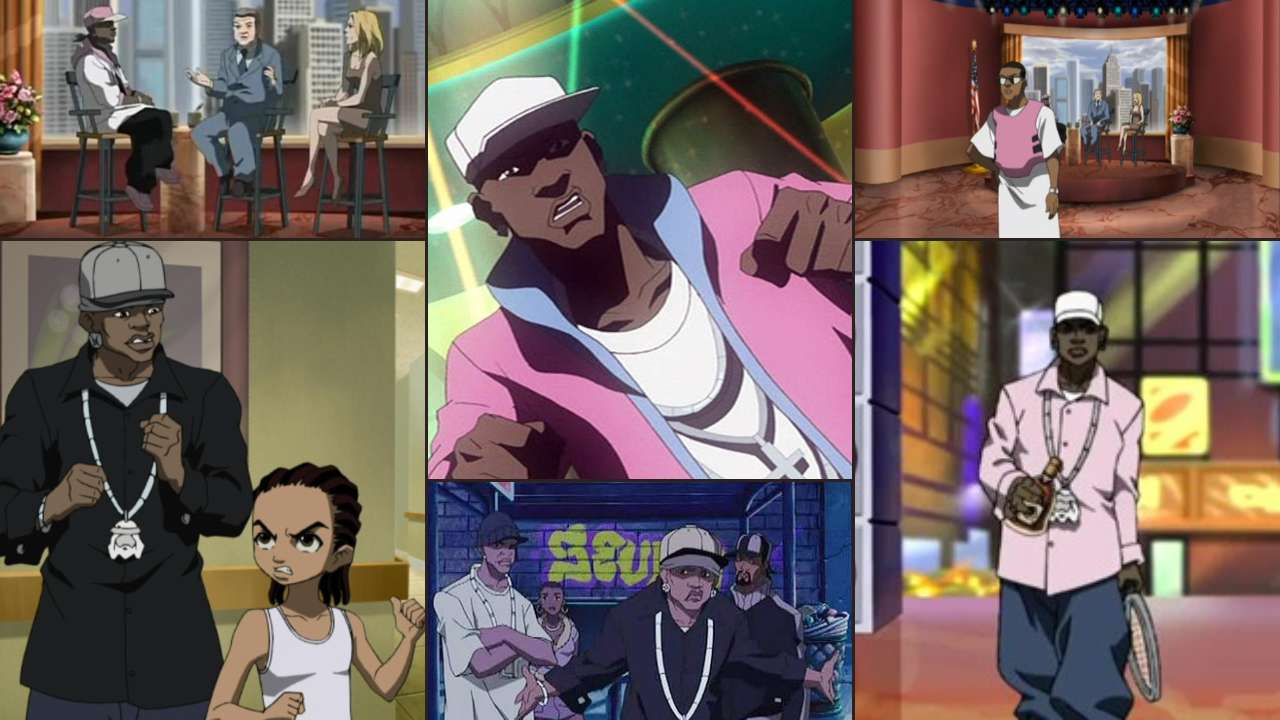
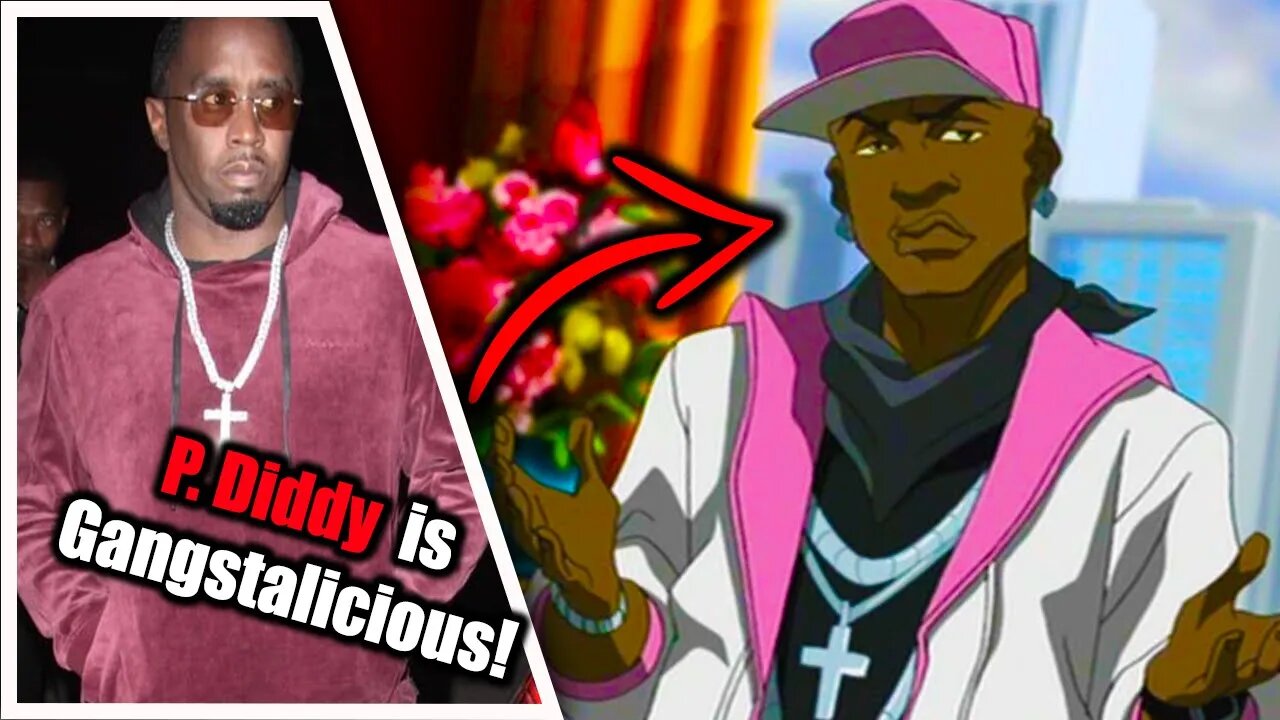
Who Is Gangstalicious Based On

Ever found yourself chuckling at a flamboyant, slightly over-the-top character on TV and wondered, "Where did they get that idea?" Well, if you're a fan of the animated series "The Boondocks," you've probably pondered the origin of the hilariously controversial character, Gangstalicious. Figuring out who a character is based on is like cracking a code – it deepens your appreciation for the show and offers a glimpse into the creator's inspiration.
The purpose of diving into Gangstalicious's origins isn't just for trivia night bragging rights. It's about understanding how satire works. Aaron McGruder, the creator of "The Boondocks," used Gangstalicious to comment on hyper-masculinity, homophobia, and the complex issues within hip-hop culture. Knowing the inspiration behind the character helps us better grasp the nuance and intended message of the show's social commentary. It also gives us a fun excuse to revisit classic moments from "The Boondocks!"
So, who is Gangstalicious based on? While McGruder has never explicitly named a single individual, it's widely believed that the character is a composite of several figures in the hip-hop world. He seems to draw inspiration from rappers who embody a tough, street-smart persona, but who also hint at a more flamboyant side, whether real or perceived. Think of artists who've pushed boundaries and challenged traditional notions of masculinity within the industry.
Must Read
Several names often come up in the discussion. Some believe Busta Rhymes, with his unique style and sometimes eccentric public appearances, may have been a partial influence. Others point to rappers who have faced rumors or speculation regarding their sexuality. Ultimately, Gangstalicious is less about mimicking one specific person and more about satirizing a certain archetype.
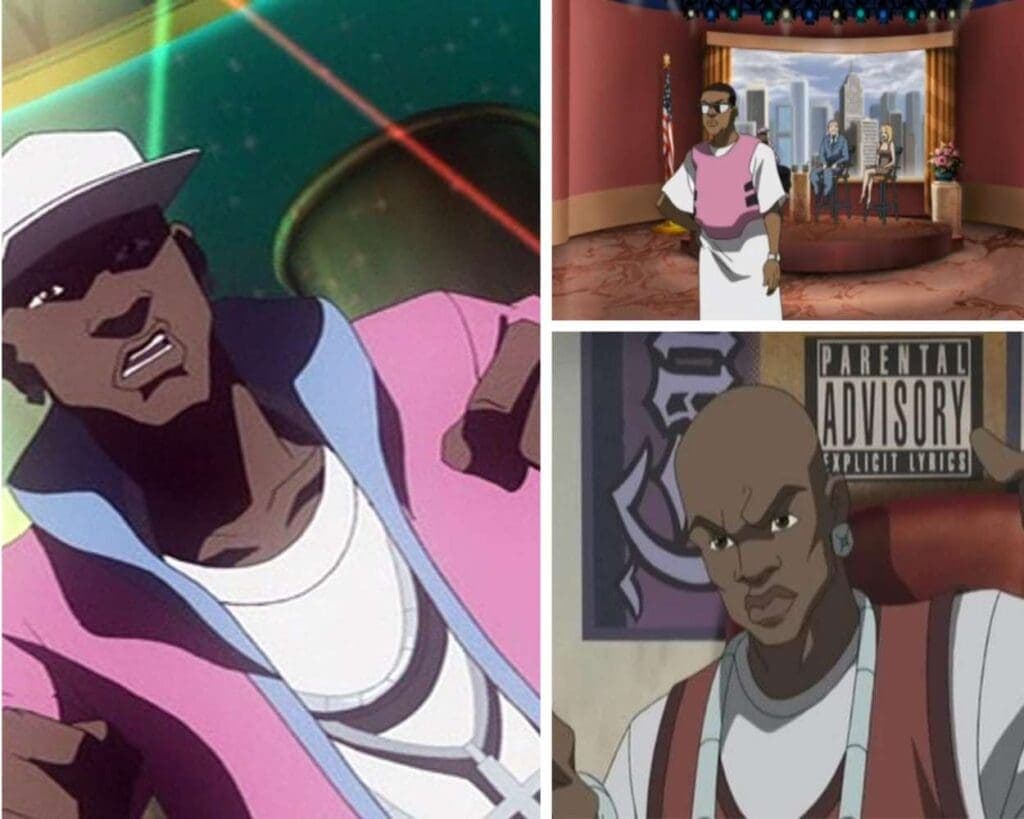
The beauty of Gangstalicious is that he's a caricature. He's an exaggerated version of certain tropes present in hip-hop culture. He's not just about making fun of anyone's sexuality. The character's arc often involves exploring themes of acceptance, self-discovery, and challenging societal norms. Remember the episode where he's shot and ends up in a coma, only to awaken with a drastically changed personality? That storyline highlights the potential for growth and change, even in the most seemingly hardened individuals.
Ultimately, identifying a single "real-life Gangstalicious" misses the point. The character is a satirical creation meant to spark conversation and challenge assumptions. By understanding the cultural context and the potential influences, we can appreciate "The Boondocks" and Gangstalicious for what they are: a bold and hilarious commentary on modern society. So, next time you watch Gangstalicious on screen, remember that he's not just a funny character; he's a mirror reflecting some of the more complex aspects of our world. And that's why he's so memorable.