
Who Do You Call When Carbon Monoxide Alarm Goes Off

You know that moment, right? The one where your heart jumps into your throat, your ears prick up, and a shiver runs down your spine because some piercing, electronic shriek has just obliterated the peace and quiet of your home? For me, it was 3 AM, and the culprit was our smoke detector. Apparently, my husband’s late-night toast adventure had veered into carbonization territory. We stumbled around, fanning the air, muttering about burnt offerings, and eventually silenced the banshee. But as the adrenaline subsided and the smell of slightly-too-dark toast lingered, a thought occurred to me: what if it wasn't toast? What if it was something far more insidious, something I couldn't smell or see? What if it was the carbon monoxide alarm?
It’s a question that probably pops into most of our heads only after an actual alarm goes off, or when we're fumbling with batteries. And let's be real, the moment that little device starts screaming, our brains tend to short-circuit. Panic, confusion, maybe even a little "Is this thing broken?" denial sets in. So, who do you actually call when your CO alarm decides it's time to make a scene?
Understanding the Silent Threat
Before we dive into the "who to call" part, let’s quickly touch on why carbon monoxide is such a big deal. It’s often called the "silent killer" for a reason. Seriously, it's a master of disguise. Odorless, colorless, tasteless – you won't know it's there until it starts messing with your body. It comes from fuel-burning appliances (furnaces, gas stoves, water heaters, cars in an attached garage) that aren't properly ventilated or are malfunctioning. And it basically replaces oxygen in your blood, which is, you know, not good.
Must Read
Symptoms can mimic a nasty flu: headaches, dizziness, nausea, fatigue. You might just feel "off." So, when that alarm goes off, it’s not just an annoyance; it's a warning system for something potentially life-threatening. And trust me, you don't want to ignore it.
Alarm! What Do You Do FIRST?
Okay, the alarm is wailing. Your pet is looking at you with wide, terrified eyes. Your own heart is doing the Macarena. What’s your absolute, non-negotiable, first step?
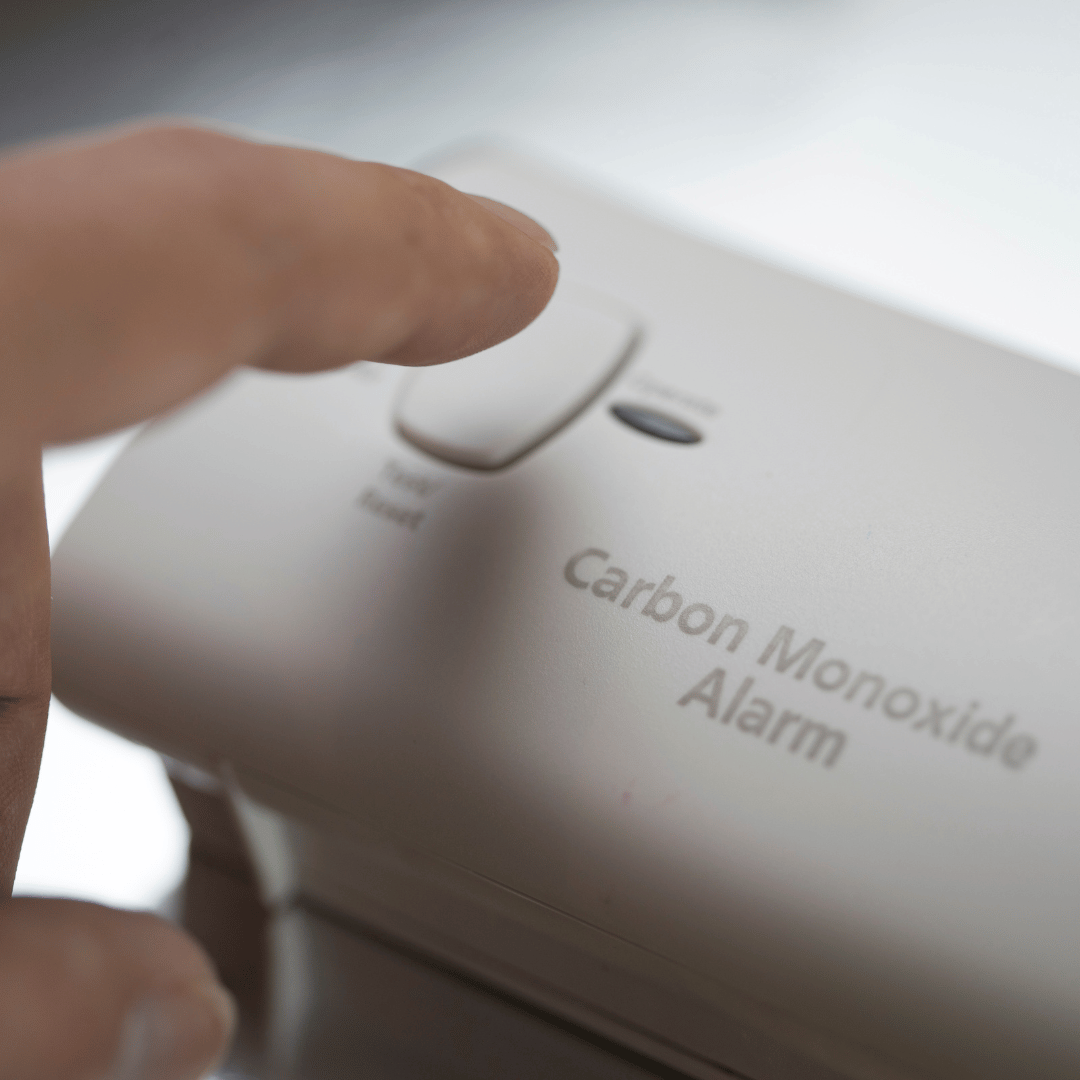
GET OUT!
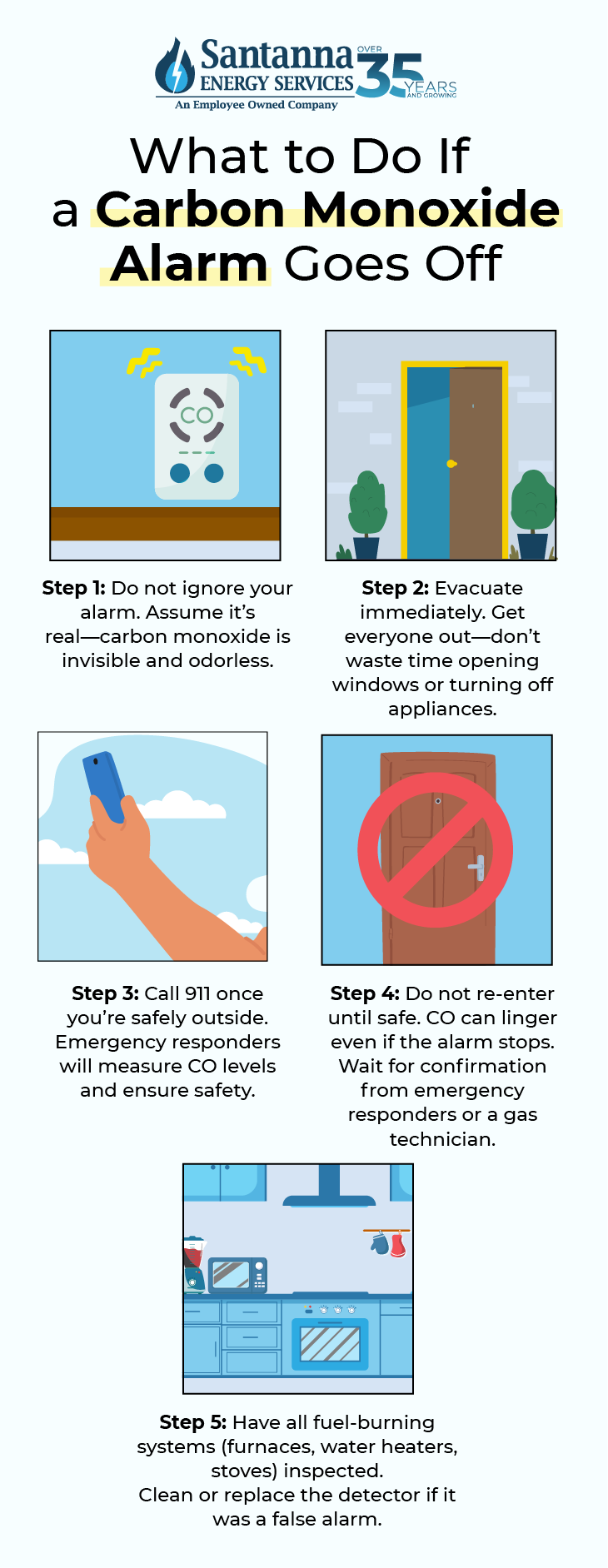
Seriously, folks. Don't dally. Don't try to find the source. Don't open a window and stick your head out like a curious meerkat. Don't grab your photo albums. Just get everyone out of the house. Pets included! Once you're safely outside, a good distance away from the building, and in fresh air, then you can move on to the next step. Take a deep breath (of clean air!).
Who's On Speed Dial For CO?
So, you’re outside, heart still thumping, looking at your house like it just betrayed you. Now what? Your mind races: "Is it the gas company? My HVAC guy? My super-competent neighbor who knows everything? Or... 911?"
The answer, my friends, is almost always: 911 (or your local emergency number).

Yep, that's right. Just like a house fire or a medical emergency, a suspected carbon monoxide leak is a job for the professionals. Here’s why:
- They are equipped: Fire departments, who are usually the first responders, have specialized equipment to detect CO levels quickly and accurately. Your home CO detector is great for initial warning, but they can pinpoint the source and severity.
- They are trained: They know the drill. They'll know how to safely enter your home, assess the situation, and take appropriate action.
- They can advise: They’ll tell you when it’s safe to re-enter your home and what steps you need to take next (like calling a qualified technician for repairs).
- Better safe than sorry: This is the big one. Emergency services want you to call. They would much rather respond to a false alarm (or a low-level, easily mitigated situation) than to a tragic outcome because someone was too hesitant to call. Your safety is their priority.
When you call 911, clearly state that your carbon monoxide alarm is going off and you have evacuated the building. Tell them your address, of course, and any symptoms anyone might be experiencing (even mild ones).
After the "All Clear"
Once the fire department has given you the thumbs up that it's safe to go back inside (which might take a while, depending on the situation and ventilation needs), their job is done. But yours might not be.
They'll likely identify the probable source of the CO leak. Then, it's on you to call a qualified professional – an HVAC technician, a plumber, or a gas company technician – to repair the faulty appliance or system. Do not re-enter or use the appliance until it has been inspected and repaired by a professional. It’s also a good idea to have your CO detectors checked and replaced if they’re old.
So, there you have it. That little story about my burnt toast and the ensuing panic taught me something important: while a smoke detector might just be warning you about a culinary mishap, a carbon monoxide alarm is always, always a serious wake-up call. And when it rings, you know who to call. Stay safe out there, folks!