Which Way Should Ceiling Fan Turn In Winter Time

The days are getting shorter, pumpkin spice is, well, everywhere, and that familiar chill is creeping into the air. Winter's knocking, and it's time to prep your home for cozy season. Beyond chunky knit blankets and roaring fireplaces (or a really convincing fireplace DVD), there's one often-overlooked element that can make a surprisingly big difference in your comfort levels and your energy bill: your ceiling fan.
But wait, aren't ceiling fans for summer? Absolutely! But they're also surprisingly effective in winter, provided you know which way to make them spin. Forget everything you think you know about breezy summer days; we're about to get warm and efficient.
The Secret's in the Spin: Clockwise is Key
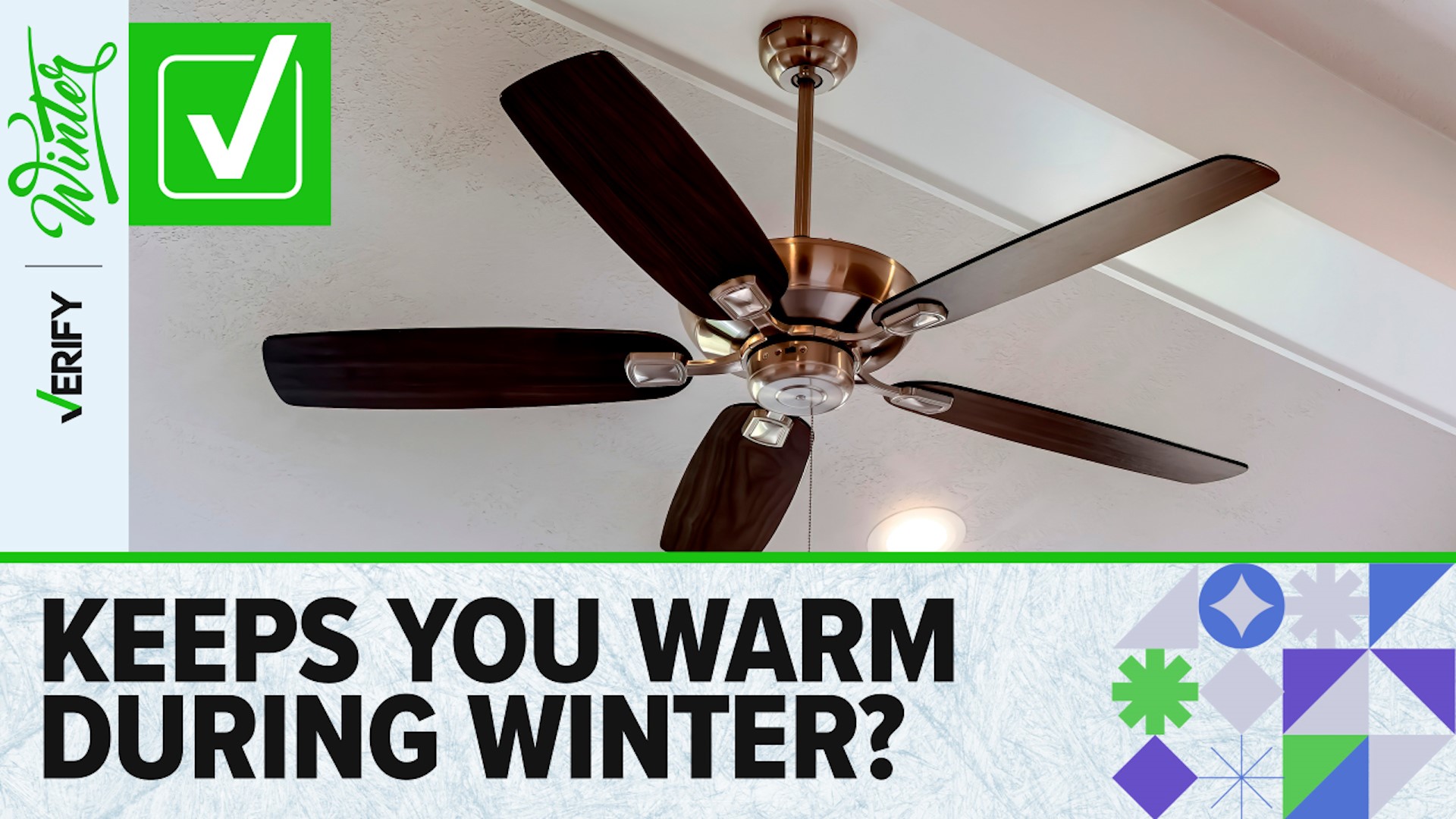
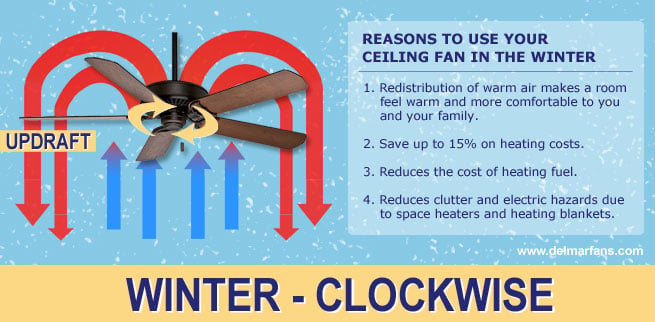
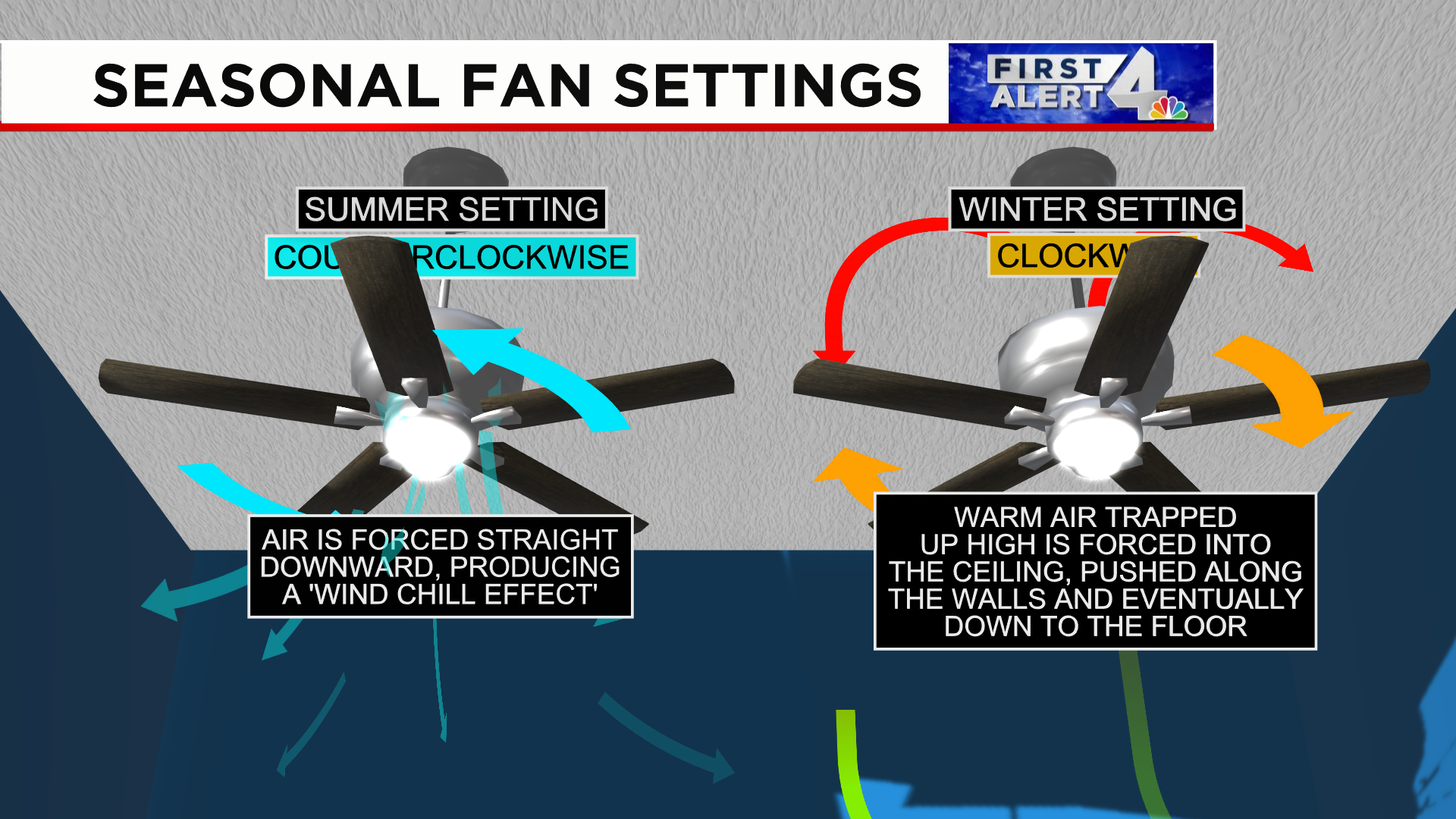
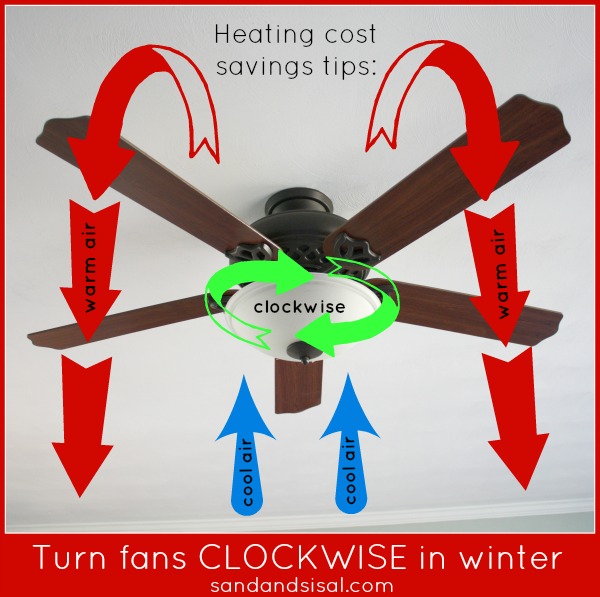
Here's the lowdown: in winter, your ceiling fan should be rotating clockwise. Why? Because heat rises. It's basic physics, folks, not some ancient Feng Shui secret (though, hey, maybe there's some overlap there!).
Must Read
Think of it this way: your heating system (furnace, radiator, etc.) pumps warm air into your room. This warm air naturally floats upwards, congregating near the ceiling. A clockwise-spinning fan gently pushes that warm air back down along the walls, circulating it throughout the room. This creates a more even temperature and eliminates those annoying cold spots near the floor. No more frozen toes!
Pro-Tip: Most ceiling fans have a small switch on the motor housing that allows you to reverse the direction of the blades. It's usually a simple up/down or left/right toggle. Consult your fan's manual if you're unsure, or just experiment – you'll quickly figure it out. Ensure the fan is completely stopped before flipping the switch.
Setting the Speed: Slow and Steady Wins the Race
Unlike summer, when you want a brisk breeze, in winter, you want a gentle circulation. Crank that fan up to maximum speed, and you'll likely just create a draft. Opt for a low speed. The goal isn't to feel the wind, but to subtly redistribute the warm air. A low setting also helps to minimize the "wind chill" effect, where air movement makes you feel colder.
Think of it like this: imagine stirring a pot of simmering soup. You don't want to whisk it vigorously; you just want a gentle stir to ensure even heating. The same principle applies to your ceiling fan.
Why Bother? The Benefits of Winter Fan Use
So, what's the big deal? Why should you even bother with all this clockwise spinning and speed adjusting? Here are a few compelling reasons:
- Energy Savings: By circulating warm air more efficiently, your heating system doesn't have to work as hard to maintain a comfortable temperature. This can lead to significant energy savings, potentially lowering your heating bill. Think of all the extra latte money!
- Increased Comfort: Say goodbye to cold spots and uneven temperatures. A properly adjusted ceiling fan creates a more comfortable and consistent environment throughout your home.
- Reduced Condensation: Circulating air helps to reduce condensation, which can prevent mold and mildew growth, especially in bathrooms and kitchens.
Fun Fact: The first electric ceiling fans were developed in the late 19th century and were often used in hot climates to provide relief from the heat. They were a symbol of luxury and innovation.
Beyond the Fan: Creating a Cozy Haven
While adjusting your ceiling fan is a fantastic first step, it's just one piece of the puzzle. Think about layering your lighting with warmer tones, adding draft stoppers to your doors and windows, and bringing in plenty of soft textures like plush throws and cozy rugs. Embrace the Danish concept of hygge – creating a warm, inviting, and comfortable atmosphere in your home.
Also, don't forget the power of scent! Candles with warm, spicy fragrances (cinnamon, clove, vanilla) can instantly create a sense of cozy contentment.
A Little Reflection
Sometimes, the simplest adjustments can make the biggest difference. Taking the time to understand how your home works and how to optimize its efficiency can not only save you money but also create a more comfortable and enjoyable living space. It's a small act of self-care, really – investing in your own well-being by creating a haven from the winter chill. So, go ahead, flip that switch, and embrace the cozy!