
Which Table Represents A Function

Let's talk tables. Not the kind you put your coffee on (though those are vital). I'm talking about math tables. You know, the ones filled with numbers that either make you feel brilliant or send you spiraling into existential dread. Today, we're tackling a big question: Which table represents a function?
Now, before your eyes glaze over, I promise to keep this light. We're not diving into textbooks. We're just going to eyeball it. And maybe, just maybe, I'll share a slightly controversial opinion.
The Picky Partner Analogy
Think of a function like a really, really picky partner. This partner (we'll call them X, for convenience) has a set of choices (the inputs). Each choice X makes leads to one and only one outcome (we'll call that Y, the output). If X chooses the same thing again, they have to get the same outcome. No exceptions! No changing their mind!
Must Read
So, a table represents a function if every X value only points to one Y value. Sounds simple, right?
Table Time: The Obvious Suspects
Let's say we have Table A:
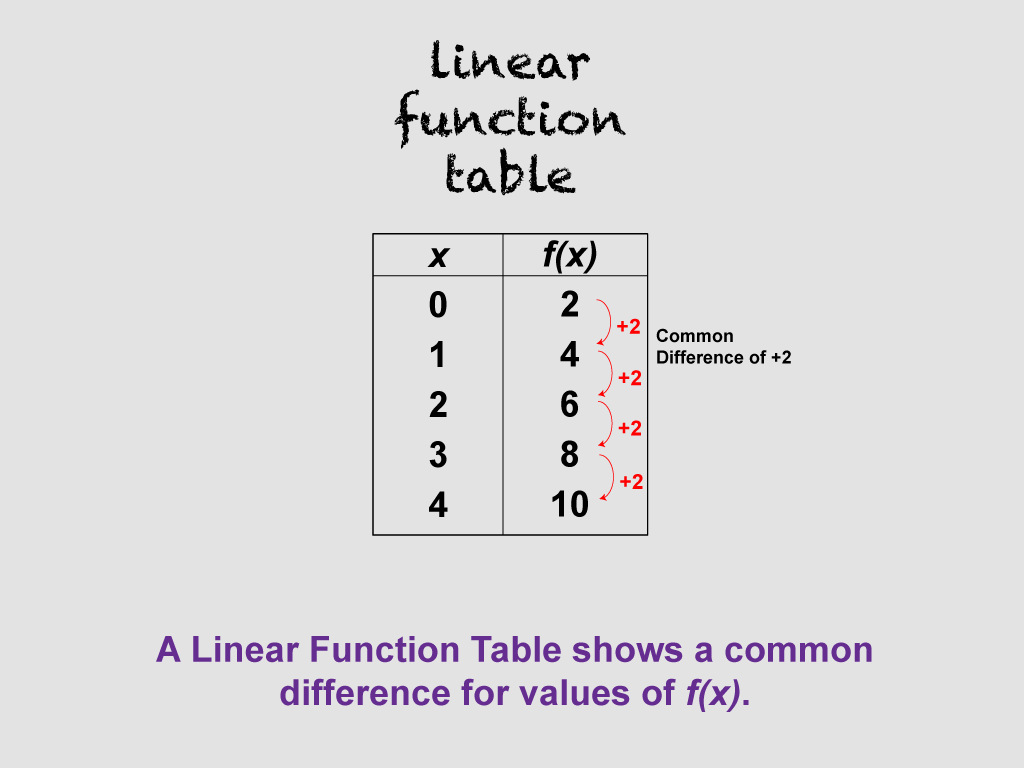
X | Y ---|--- 1 | 2 2 | 4 3 | 6 4 | 8
Pretty straightforward. Each X has its own unique Y. No drama. This is a function. We're good here.
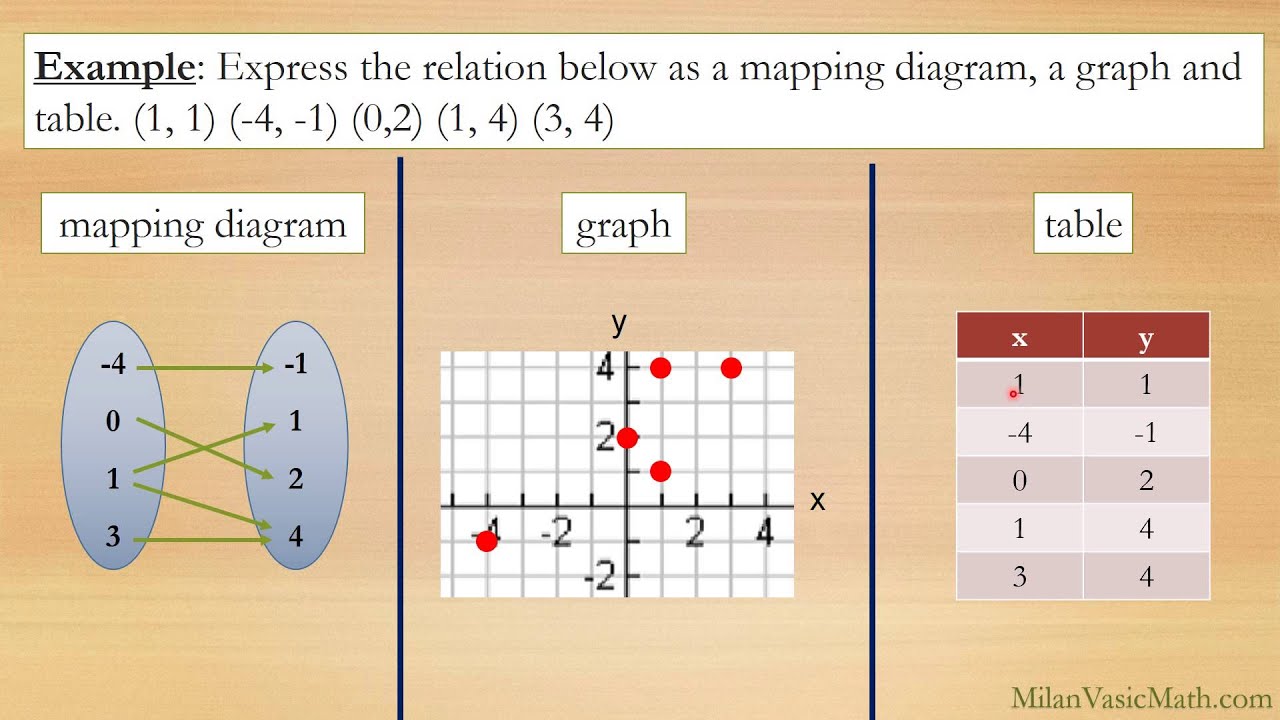
And then there's Table B:
X | Y ---|--- 1 | 5 2 | 5 3 | 5 4 | 5
Wait a minute... multiple X values all pointing to the same Y? Is this allowed? Absolutely! Remember, Y can have multiple partners. X just has to be faithful.
The Troublemakers: Repetition and Rebellion
Now, things get interesting. Consider Table C:
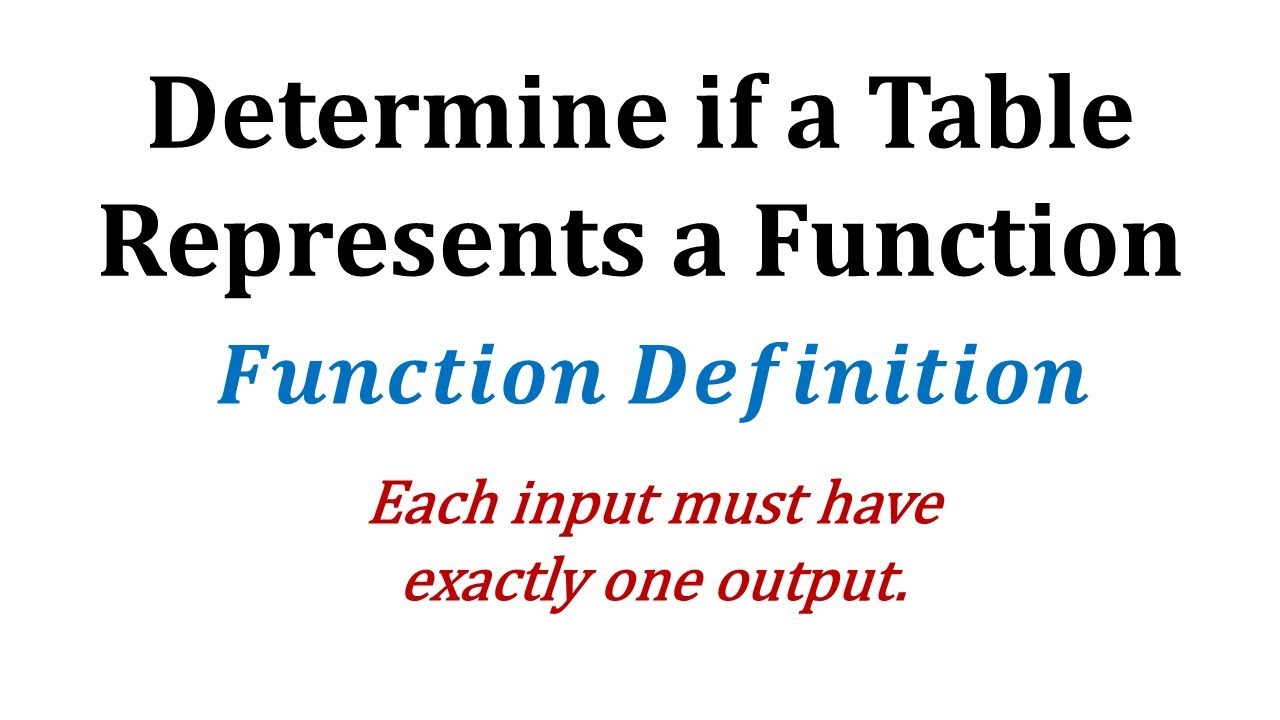
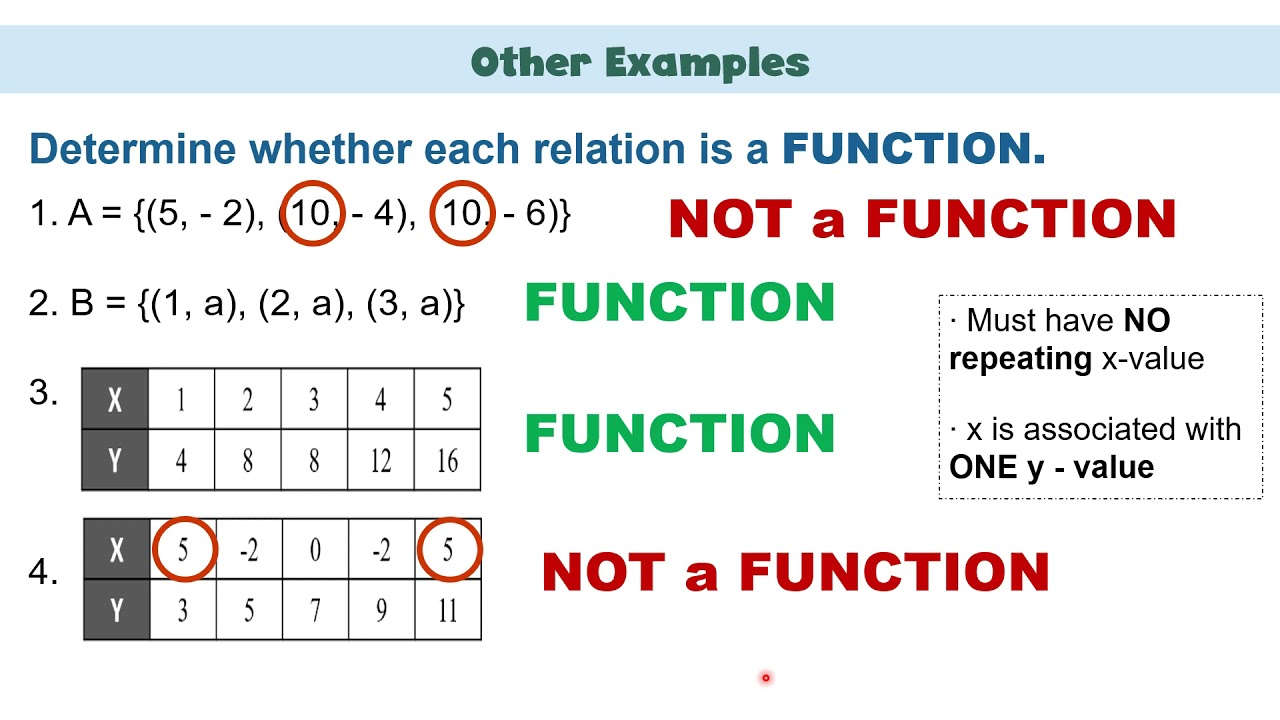
X | Y ---|--- 1 | 2 2 | 4 1 | 3 3 | 6
Uh oh. X is cheating! The value '1' is paired with both '2' and '3'. This is a big no-no in Function Land. Table C is not a function.
This is where things get sticky, and where my unpopular opinion comes in.
My (Slightly Heretical) View
Let's imagine Table D:
X | Y ---|--- 1 | 2 2 | 4 3 | undefined 4 | 8
What about that '3'? It's just…gone. Normally, the math gods would say this isn't a function. A function, they declare, has to have a Y value for every possible X in the domain (fancy talk for "all the possible inputs").
But I say… who cares? Look, '3' is being antisocial. Maybe '3' just doesn't want to play the function game. Maybe '3' is having an existential crisis. Maybe '3' ran off to join the circus. Whatever the reason, it's not causing any infidelity! It's not creating any conflicting outputs!
Therefore, (brace yourselves)… I think Table D could be considered a function, depending on how you define the input set. If you ONLY care about the values 1, 2, and 4, then heck yeah, it's a function! Just pretend X=3 never existed.
Okay, okay, mathematicians, I hear you groaning. I know it's not strictly correct. It’s a shortcut! A rebellious shortcut! But sometimes, in the real world, data is messy. Sometimes, you have missing values. And sometimes, you just need to focus on the relevant data.
So, the next time you're staring at a table of numbers, remember the Picky Partner rule. And maybe, just maybe, consider giving that antisocial '3' a break. After all, who knows? Maybe Bertrand Russell himself would have agreed with me (probably not, but let a person dream).
Ultimately the question of which table represents a function depends on what you need to define it as.