Which Statement Is True Of Mitochondria Inside The Human Body
Emily Chen
Okay, folks, let's talk mitochondria. Not in a boring, textbook-y kind of way, but in a "Wow, I never thought about it like that" kind of way. You've probably heard the name muttered in science class or seen it pop up in a health article. But what exactly is going on inside your body with these little powerhouses? Which statement is truly, utterly, and hilariously true about them? Let’s find out!
Mitochondria: Tiny Tenants in Your Cellular Apartment
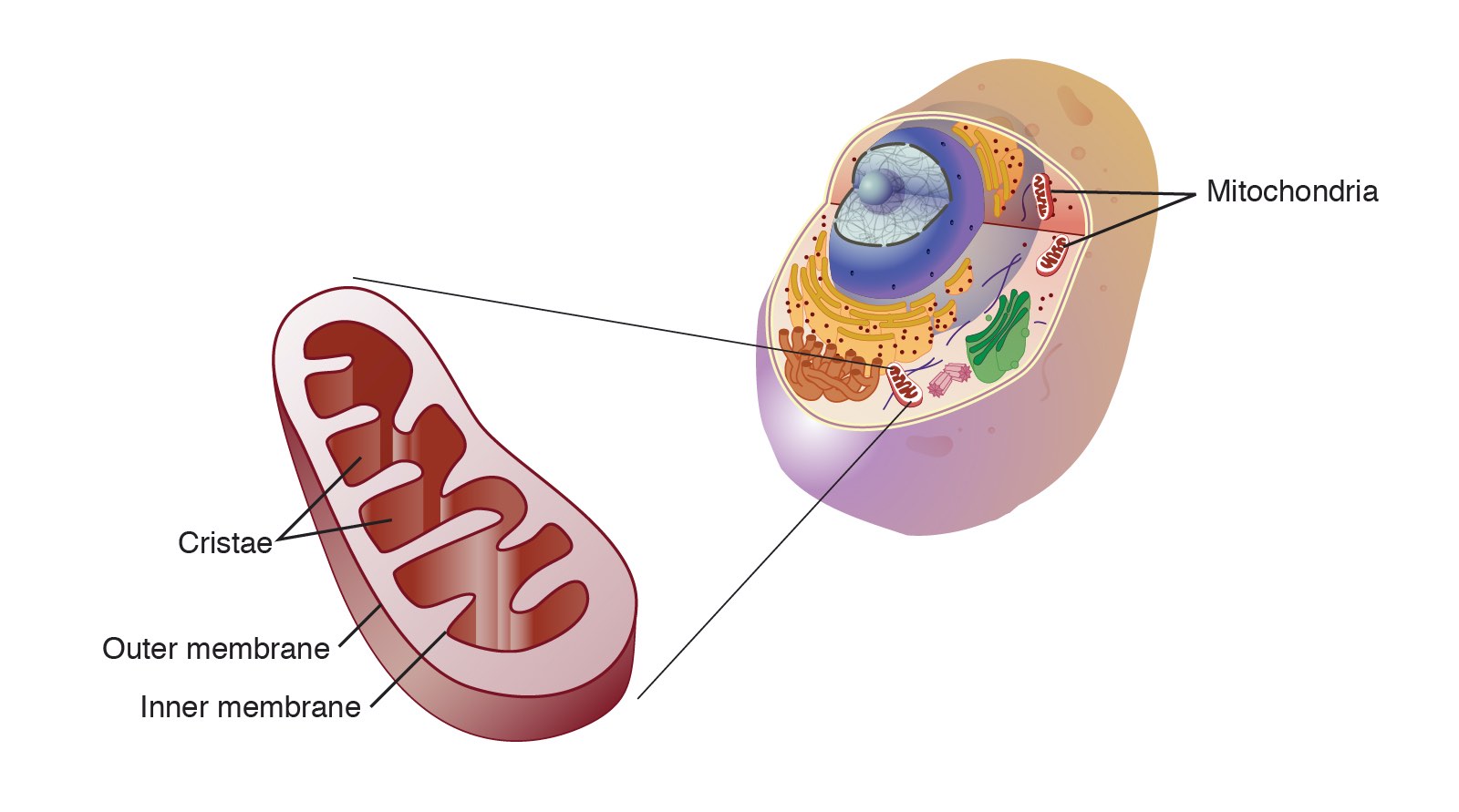
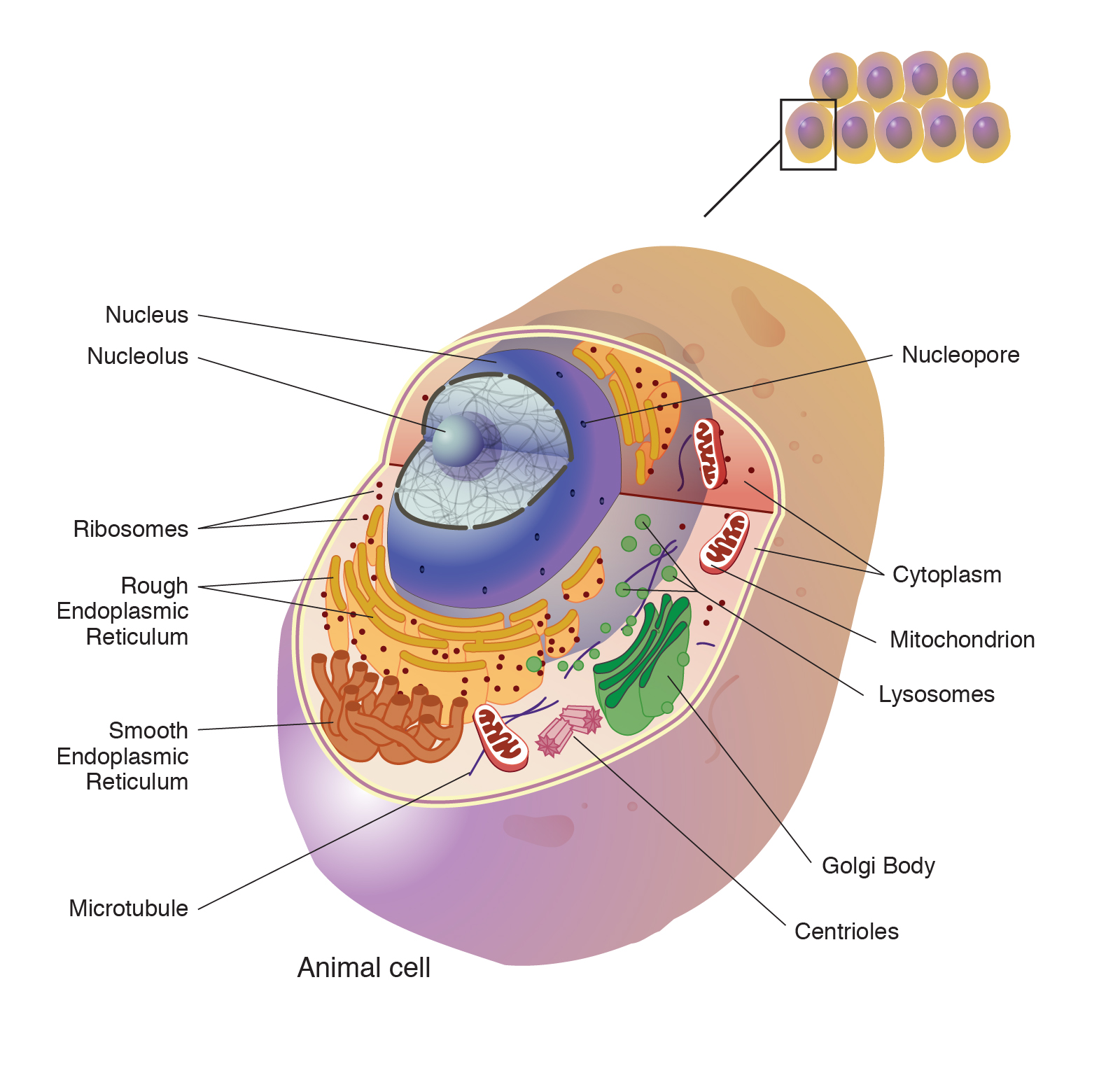
Think of your body as a bustling apartment building. Each apartment is a cell. And inside each apartment, you've got these tiny, energetic tenants called mitochondria. Their main job? To take the groceries (the food you eat) and turn them into electricity (energy!) that the apartment (cell) can use. Without them, your cell is basically a dark, quiet, and very unproductive living space. Imagine trying to binge-watch your favorite show without electricity – a tragedy!
So, the real question is, of all the things you might hear about mitochondria, which one paints the most accurate – and perhaps a slightly silly – picture?
Statement A: Mitochondria are solitary creatures, fiercely independent and only looking out for themselves.
Nope! While they do their own thing in a sense, they’re actually super collaborative. They’re more like roommates who sometimes bicker over the thermostat (energy needs), but ultimately rely on each other to keep the place running smoothly.
Mitochondria
Statement B: Mitochondria are immortal and ageless, immune to the ravages of time.
Oh, if only! Sadly, mitochondria aren’t Benjamin Button in cellular form. They can get damaged, age, and even – gasp! – die. And when they do, it impacts the whole cell and, ultimately, you. Think of it like a blown fuse in the apartment. You can still live there, but things aren't working optimally.
Statement C: Mitochondria have their own DNA, separate from the DNA in your cell's nucleus, and this DNA is almost entirely inherited from your mother.
[ANSWERED] Which statement is not true of mitochondria and chloroplasts
Ding, ding, ding! We have a winner! This is the real kicker, the truly mind-blowing truth about mitochondria. They have their own genetic material! It's like they're carrying around their own little instruction manuals. And here's the kicker: that instruction manual, that mitochondrial DNA, almost always comes directly from your mom. Sorry, dads, you contribute a lot, but in the mitochondrial world, Mom's the word!
This maternal inheritance is why mitochondrial DNA is so valuable for tracing ancestry. It’s like following a breadcrumb trail back through generations of mothers, a direct line connecting you to your distant female ancestors. Pretty cool, right?
Mitochondria
More Than Just Powerhouses: The Mitochondrial Gossip Circle
But the story doesn’t end there. Mitochondria aren't just energy factories; they're also involved in cell signaling, regulating cell death (apoptosis), and even helping to control calcium levels. They’re like the apartment building’s resident gossip circle, constantly communicating and influencing the overall health and well-being of the building's inhabitants (your cells).
So, the next time you're feeling energetic (or not!), remember those tiny tenants inside your cells, working tirelessly to keep you going. Think of your mom and all the female ancestors who passed on their mitochondrial gifts. And maybe, just maybe, thank them with a healthy snack and a good night’s sleep – because happy mitochondria make a happy you!
Understanding the basics can lead to better choices for our health and well-being. It's a heartwarming thought that these tiny powerhouses, inherited from our mothers, are such a fundamental part of who we are.


![[ANSWERED] Which statement is not true of mitochondria and chloroplasts](https://media.kunduz.com/media/sug-question-candidate/20230121181900850981-3981367_3JiaAAM.jpg?h=512)