
Which Of The Following Statement Is Not Correct
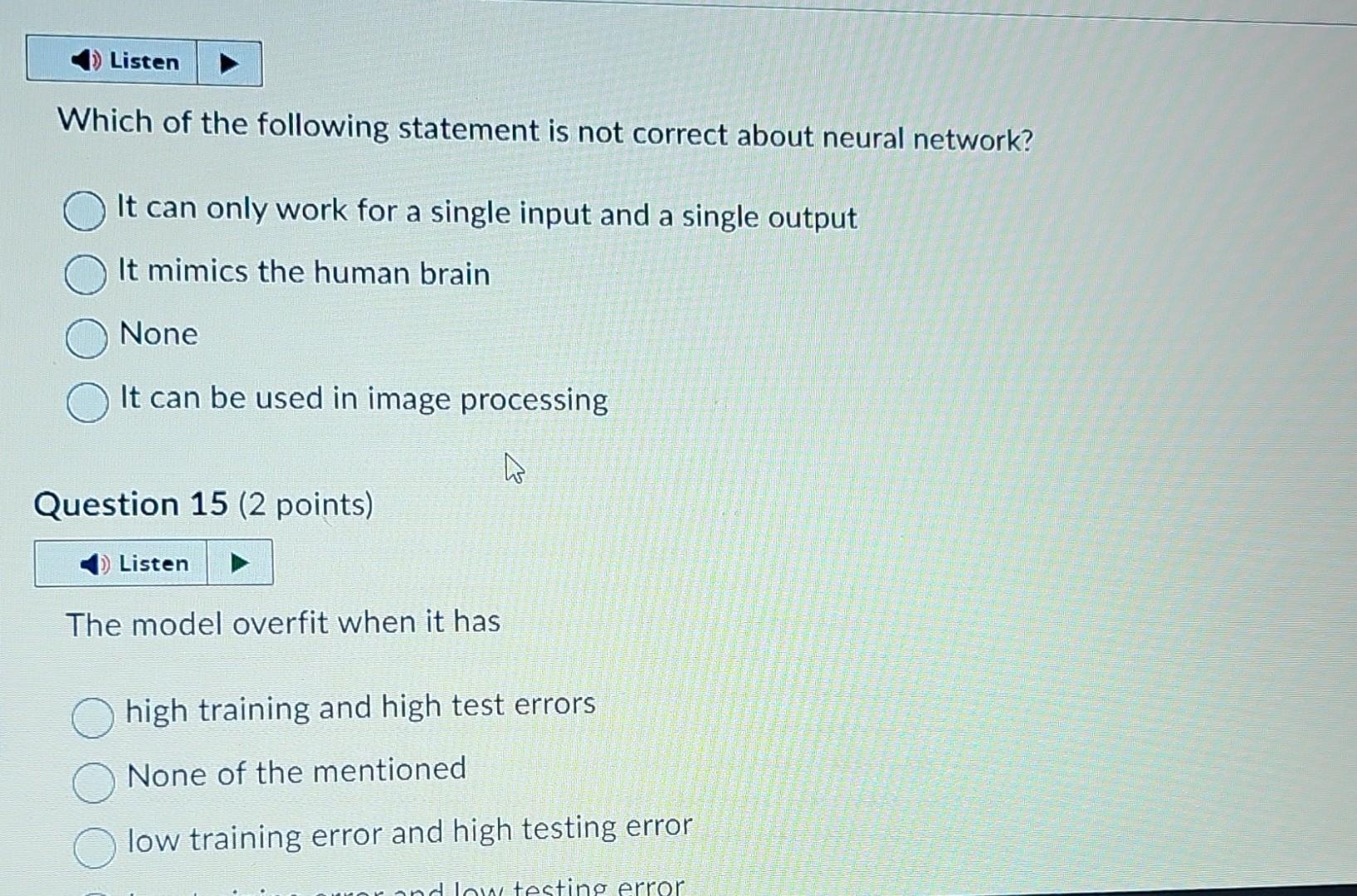
Okay, friend, let's play a game! It's called "Spot the Lie!" Sounds easy, right? We're all experts at sniffing out a fib (at least, we think we are!). We're diving into the world of "Which of the following statement is not correct?" because, honestly, who doesn't love a good brain teaser?
Forget textbooks and boring lectures. We're talking fun facts and quirky details. Think of it as pub trivia, but instead of winning a pitcher of beer, you get the immense satisfaction of knowing you're smarter than your phone. Ready to rumble?
Why This Is Actually Fun
Seriously, though. Why is this fun? It's all about the thrill of the chase. You're a detective, searching for clues, sifting through information. You get to flex those brain muscles without breaking a sweat (okay, maybe a tiny bit of sweat). Plus, you learn cool stuff!
Must Read
And let's be honest, who doesn't love proving someone wrong? (Don't worry, we won't tell anyone that's your secret motivation). Just imagine the smug satisfaction when you point out the incorrect statement and casually drop your newfound knowledge. Priceless!
Common Traps and Tricks
So, how do they try to trick us? Oh, the ways are many and varied! Misdirection is their favorite weapon. They'll throw in lots of true statements, making the false one even harder to spot. It's like hiding a rotten apple in a basket full of perfectly good ones.

Another sneaky tactic? Vague wording. They'll use words like "usually," "often," or "sometimes," making it difficult to pin down the absolute truth. Is it always true? Or is there an exception? That's what you need to figure out!
Then there's the 'close but no cigar' trick. They'll almost get it right, but miss one tiny detail. It's like saying the Earth is flat…except for that one little bump where Mount Everest is. Technically, it's still wrong!
Examples to Get You Thinking
Let's try a quick example. Which of these is NOT correct?

- The sky is blue.
- Water boils at 100 degrees Celsius at sea level.
- Pigs can fly.
- The Eiffel Tower is in Paris.
Okay, that was an easy one. Pigs can't fly (yet!). But you see the point. Look for the statement that clashes with your general knowledge. Trust your gut (but also, double-check!).
Here's another one, a little tougher:
- All swans are white.
- The capital of Australia is Sydney.
- Shakespeare wrote Hamlet.
- The Amazon River is in South America.
Got it? The incorrect statement is "All swans are white." There are black swans, primarily found in Australia. Mind. Blown.
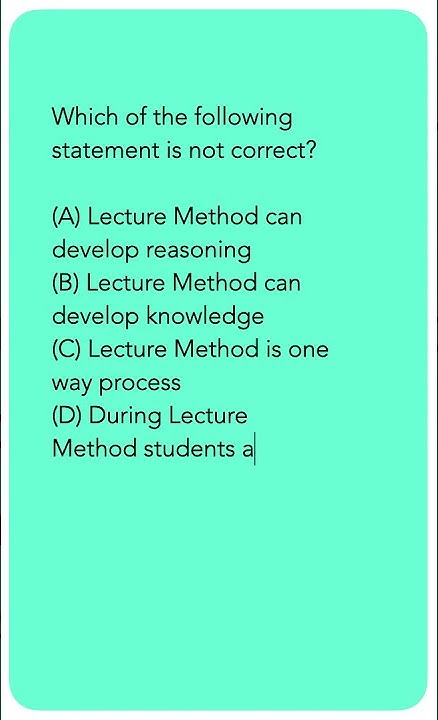
Why Double-Checking Matters
This "spot the lie" skill isn't just for fun and games. It's actually super important in real life. Think about news articles, social media posts, even conversations you have with friends. Being able to critically evaluate information and identify inaccuracies is crucial in today's world.
Don't just blindly accept everything you hear or read. Question it! Look for evidence. Consider the source. And if something sounds too good (or too bad) to be true, it probably is.
Embrace the Curiosity!
The best way to get better at this game is to simply be curious. Read widely. Ask questions. Explore different topics. The more you know, the easier it will be to spot those sneaky little lies.
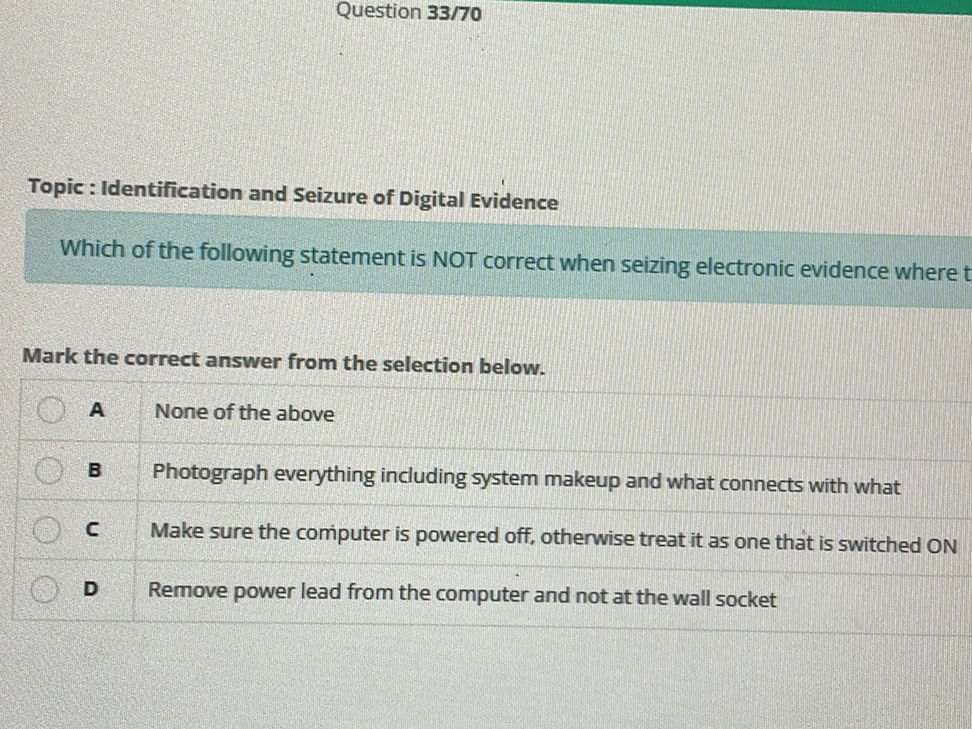
And don't be afraid to be wrong! Everyone makes mistakes. The important thing is to learn from them and keep honing your critical thinking skills. Think of it like leveling up your brain power!
So, the next time you see a question asking "Which of the following statement is not correct?", don't groan. Embrace the challenge! Channel your inner detective. And remember, the truth is out there… waiting to be discovered!
And remember, a little bit of skepticism never hurt anyone. In fact, it might just save you from believing that pigs can fly!