Which Of The Following Is True About Retained Earnings
Okay, so you're at a hip coffee shop, latte art swirling in your cup, and your friend starts talking about retained earnings. Your eyes glaze over, right? Don't worry, we've all been there. It sounds complicated, but it's actually a pretty simple concept. Let's break it down in a way that's easier to digest than that double espresso you just ordered.
Basically, retained earnings represent the cumulative profits a company has made over its lifetime, minus any dividends it has paid out to shareholders. Think of it like your personal savings account for a business. You earn money (profit), you spend some (dividends), and what's left stays in the account (retained earnings).
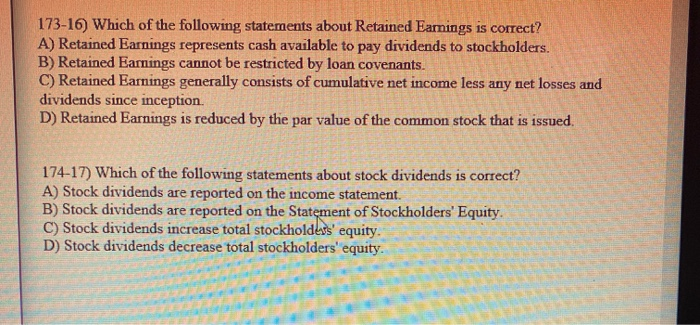
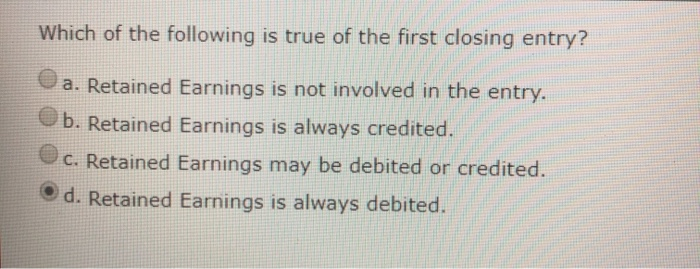
So, which of the following is true about retained earnings? Well, there are a few key things to keep in mind.
Must Read
Retained Earnings: Fact vs. Fiction
Let's tackle some common misconceptions and highlight the actual truth about retained earnings:
Fiction: Retained earnings are a pile of cash sitting in a vault.

Fact: This is a classic misunderstanding! Retained earnings are not necessarily cash. They represent an increase in the company's net assets. That money could be reinvested in the business – buying new equipment, funding research and development, or even acquiring another company. Think of it like this: that money is working hard, contributing to the company's future growth. Like the money Batman invests into making new gadgets to fight crime!
Fiction: High retained earnings are always a good thing.
Fact: It's more nuanced than that. While a healthy level of retained earnings is generally positive, excessively high retained earnings might indicate that the company isn't effectively reinvesting its profits or returning value to shareholders through dividends. It's like having a closet full of designer clothes you never wear - what's the point? Investors want to see their money at work or returned to them.
Fiction: Retained earnings are only relevant to massive corporations.
Fact: Nope! Retained earnings are important for businesses of all sizes, from your local bakery to a global tech giant. They provide a financial cushion, allow for future investments, and demonstrate the company's long-term financial health. If you're starting your own freelance business, tracking your retained earnings is crucial for understanding your profitability and planning for the future. Think of it as your "rainy day fund" for business opportunities and unexpected expenses.
Practical Tips and Takeaways
- Check the Balance Sheet: You can find a company's retained earnings on its balance sheet, under the equity section.
- Consider the Context: Don't look at retained earnings in isolation. Analyze them in relation to other financial metrics, like revenue, profit margin, and debt levels.
- Pay Attention to Trends: Is the company's retained earnings growing steadily over time? This is generally a good sign.
Fun Fact: Did you know that some companies choose to use retained earnings to buy back their own stock? This can increase the value of the remaining shares, benefiting shareholders.
Retained Earnings in Daily Life
The concept of retained earnings actually mirrors something we do in our personal lives. We earn income, we spend some of it, and the rest we save. Those savings provide a buffer for emergencies, allow us to invest in our future (like education or a down payment on a house), and give us a sense of financial security. Retained earnings do the same for a company.
So, the next time you hear someone talking about retained earnings, don't feel intimidated. Remember, it's just the accumulated profit that a company has kept, reinvested, or saved. It's a key indicator of a company's financial strength and long-term prospects.