
Which Of The Following Is An Arithmetic Sequence

Hey! So you're trying to figure out what an arithmetic sequence is, huh? Don't worry, we've all been there. It sounds way more complicated than it actually is. Let's break it down, shall we? Like, right now. Over coffee. Virtually, of course!
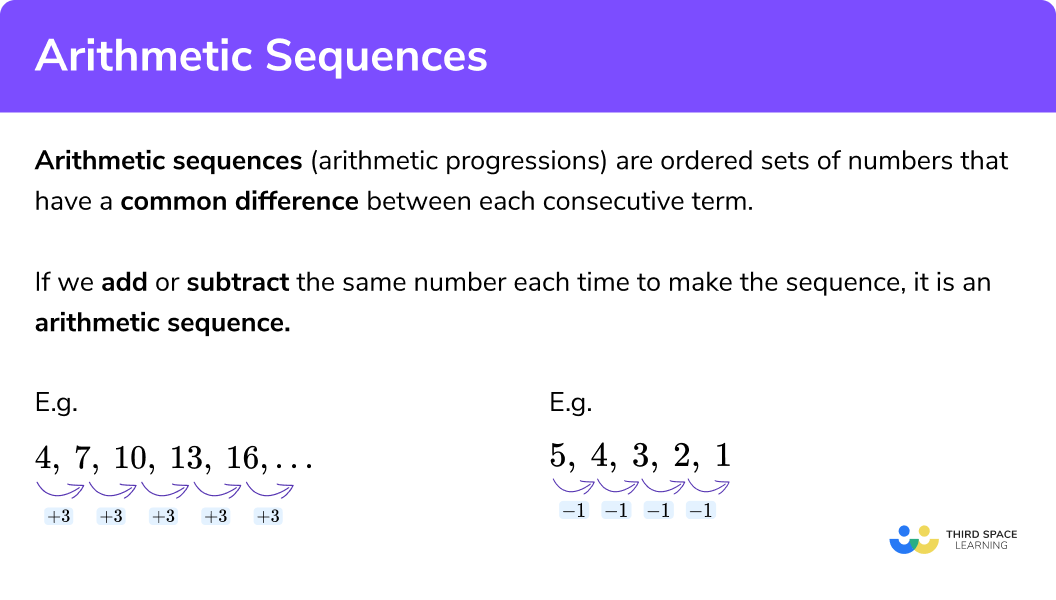
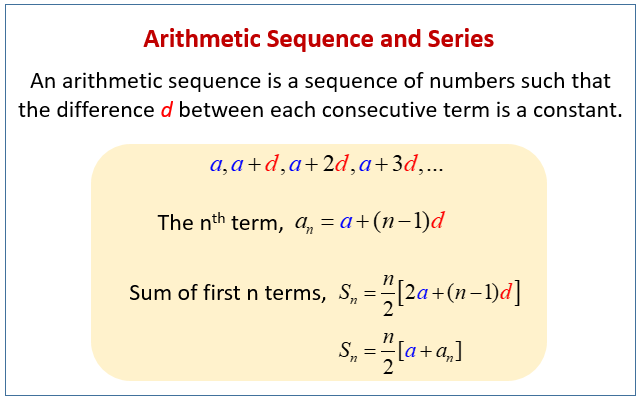
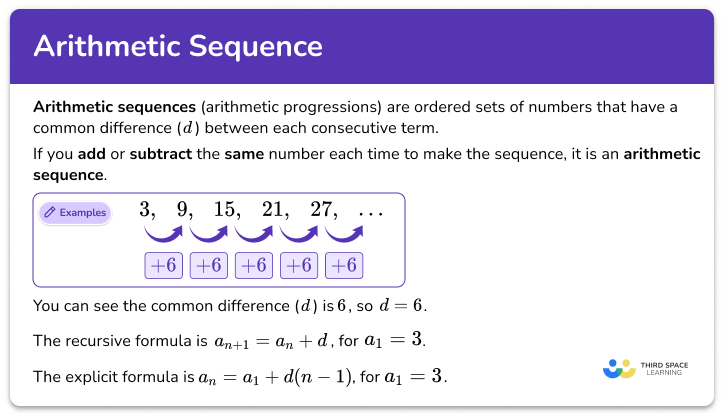
Basically, an arithmetic sequence is just a list of numbers where the difference between any two adjacent numbers is always the same. I mean, that's it! Think of it like consistently climbing stairs. Each step is the same height, right? (Unless your contractor was… creative.)
So, how do we spot one in the wild? Good question! Imagine someone throws a few number sequences at you and says, "Pick the arithmetic one! Your life depends on it!" (Okay, maybe not your life, but your grade, perhaps?).
Must Read
Let's say you're faced with these choices:
A) 2, 4, 6, 8, 10...
B) 1, 3, 7, 15, 31...
C) 5, 10, 20, 40, 80...
Which one makes the most sense? Let’s grab our magnifying glass (figuratively, unless you really want to).
Let's Analyze!
Okay, let's tackle option A: 2, 4, 6, 8, 10... What's happening here? From 2 to 4, we add 2. From 4 to 6, we add 2. From 6 to 8...you guessed it, another 2! And so on. The common difference is 2. Ding ding ding! We might have a winner!
Now, let’s eyeball option B: 1, 3, 7, 15, 31... From 1 to 3, we add 2. Okay, cool. But from 3 to 7, we add…4? Hold on a minute. The difference changed! This isn't a consistent climb. This is more like scaling a mountain. Not arithmetic at all. See ya!
And finally, option C: 5, 10, 20, 40, 80... From 5 to 10, we add 5. Okay...ish. But from 10 to 20, we add 10. Nope, this is a geometric sequence, not an arithmetic one. They are similar, but we need to focus on that constant difference between consecutive numbers.
The Verdict!
So, after all that sleuthing, which one is the actual arithmetic sequence? You got it! It's A: 2, 4, 6, 8, 10... Because the difference between each number is always 2. We add 2 each time to get the next number.
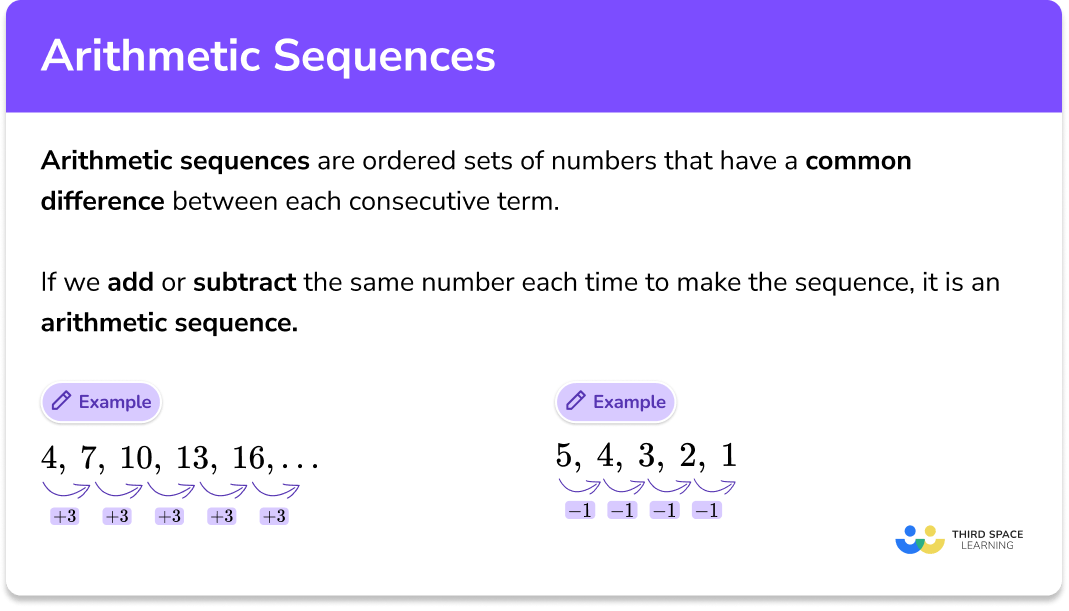
That consistent addition (or subtraction, by the way! You can have a negative common difference!) is the key. It's like a steady rhythm, a dependable pattern. You can almost set your watch to it!
Pro-tip: To double-check if a sequence is arithmetic, just subtract any number from the number that comes after it. If you get the same answer every time, you've got an arithmetic sequence on your hands. Congratulations, you're a sequence detective!
And there you have it! Unmasking arithmetic sequences is easier than you thought, right? Now go forth and conquer those number patterns! And maybe grab another cup of coffee. You've earned it!