Which Of The Following Illustrates Leader Development

Let's face it, most of us have probably sat through a team-building exercise or motivational seminar and thought, "Is this really going to make me a better leader?" The truth is, leadership development isn't some magic formula you learn in a weekend workshop. It's a journey, a continuous process of growth and learning that can be sparked by surprisingly diverse experiences. Think of it like gardening: you don’t just plant a seed and instantly have a thriving plant. You need to nurture it, prune it, and adapt to the changing conditions.
So, why bother with leader development anyway? Because effective leadership isn't just for CEOs and politicians. It's crucial in everyday life, whether you're managing a project at work, raising a family, or volunteering in your community. Strong leaders inspire, motivate, and guide others towards a common goal. They create a positive environment, resolve conflicts effectively, and make sound decisions even under pressure. In short, leader development equips you with the essential skills to navigate the complexities of life and make a positive impact on the world around you.
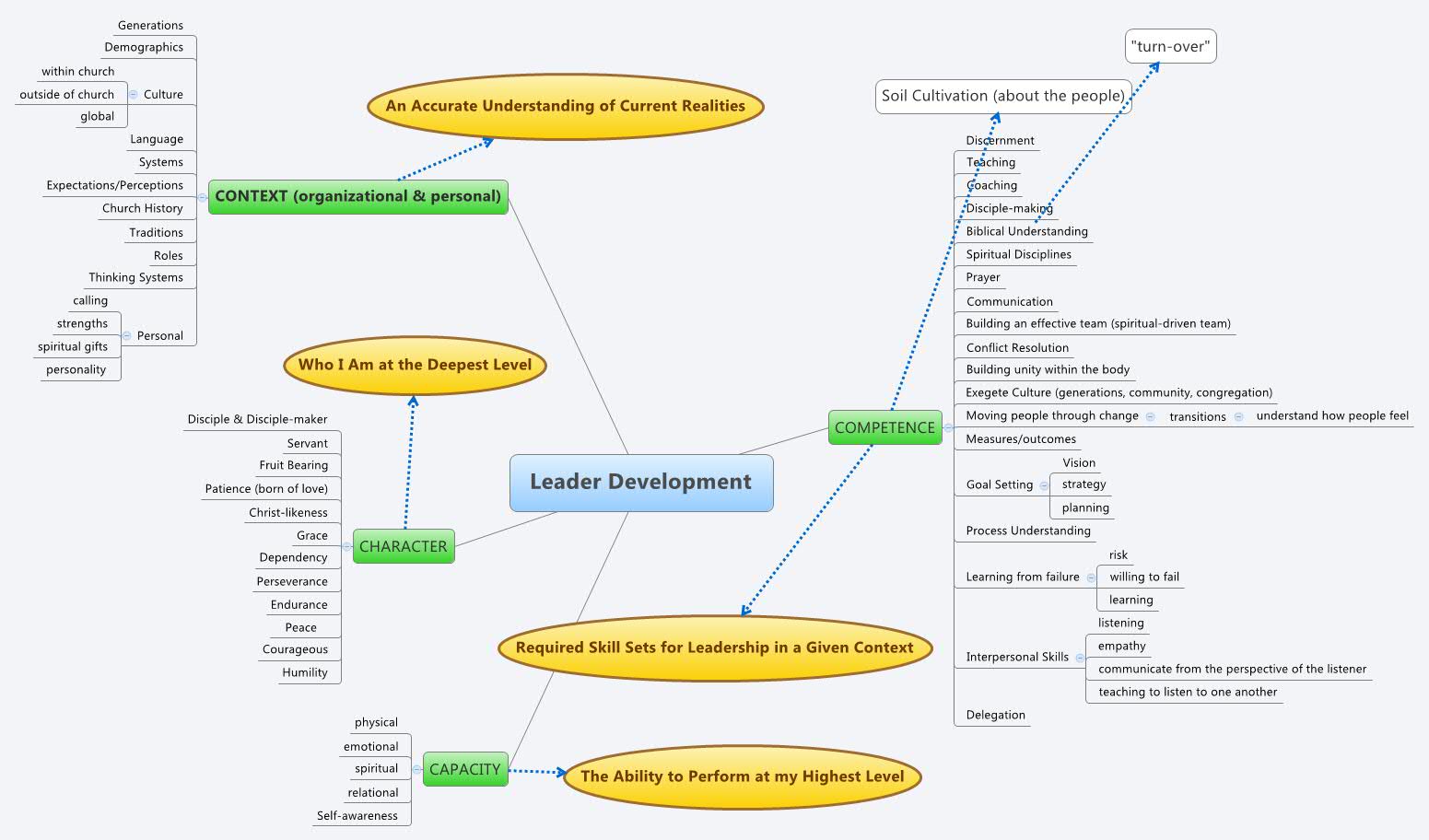
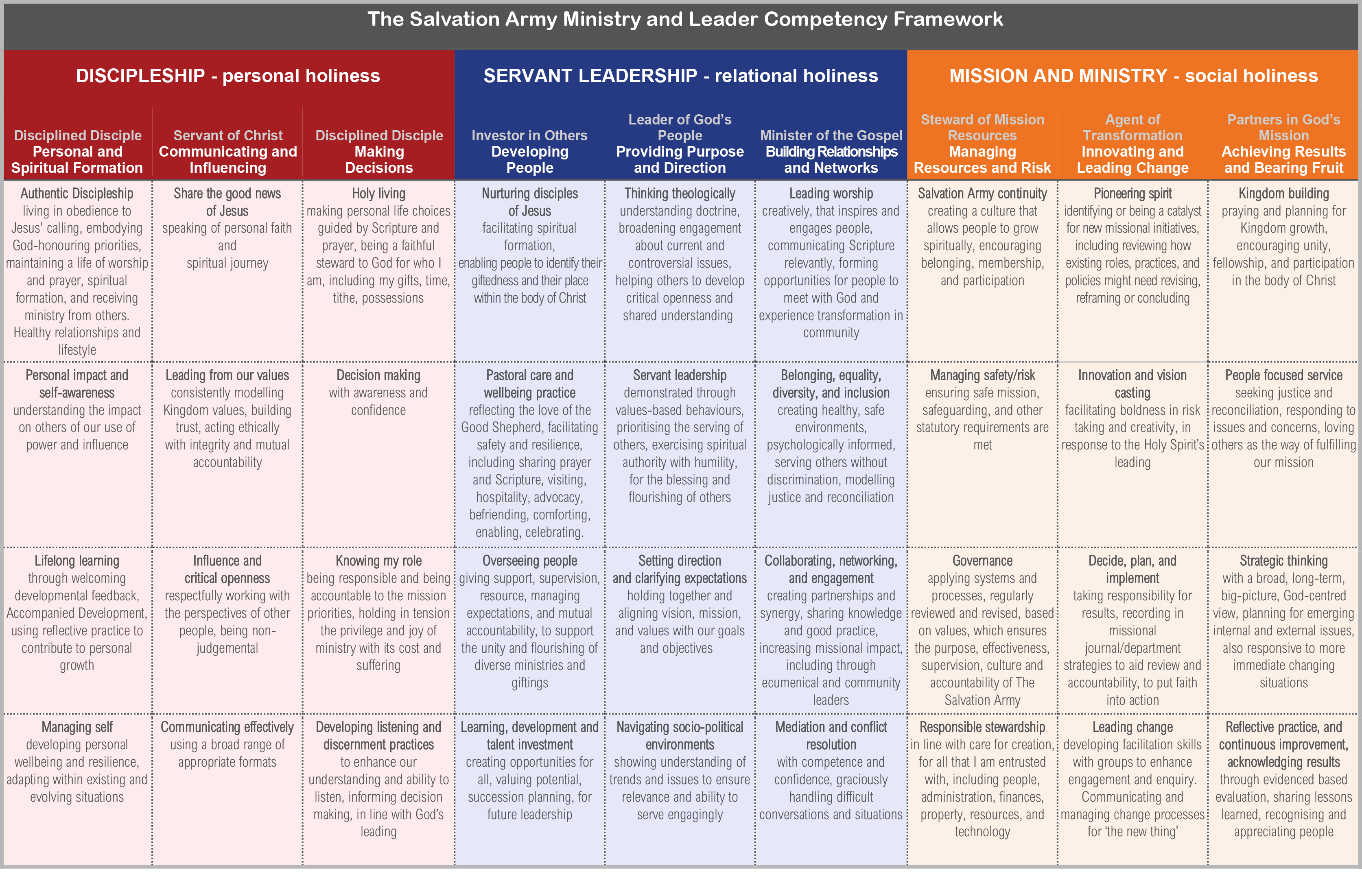
Now, let's consider what truly illustrates leader development. It's not simply attending a lecture or reading a book, although those can certainly contribute. True leader development is demonstrated when someone:
Must Read
- Takes on a challenging new role and learns from the experience, even if they initially struggle. This could be leading a new team, spearheading a complex project, or volunteering for a position of responsibility.
- Actively seeks out feedback from others and uses that feedback to improve their behavior and decision-making. It's about recognizing your weaknesses and actively working to overcome them.
- Mentors or coaches others, sharing their knowledge and experience to help them grow. This process not only benefits the mentee but also solidifies the mentor's own understanding and leadership skills.
- Demonstrates resilience in the face of setbacks and failures. Leadership isn't about avoiding mistakes; it's about learning from them and bouncing back stronger.
- Actively participates in team decision-making and seeks to understand different perspectives. It's not just about having your own voice heard, but also about listening to and valuing the contributions of others.
These are just a few examples. The key is that leader development involves active engagement, self-reflection, and a commitment to continuous improvement. It's about putting theory into practice and learning from real-world experiences.
So, how can you make the most of your own leader development journey? Start by identifying your strengths and weaknesses. What are you good at? What areas could you improve? Seek out opportunities to challenge yourself and step outside your comfort zone. Don't be afraid to ask for feedback from trusted colleagues, friends, or mentors. Embrace failure as a learning opportunity and use it to fuel your growth. And most importantly, remember that leadership is about serving others. Focus on helping those around you succeed, and you'll naturally become a more effective and inspiring leader.